Huawei MatePad Air 13.5 Review: Featherlight OLED Powerhouse
Huawei MatePad Air 13.5 has 60,000+ reviews on JD.com with a 4.7/5 rating at ¥3,699 ($511). Users love the stunning 13.5-inch OLED display, the incredibly thin 5.2mm profile at just 555g, and the Kirin 9010 flagship chip. Complaints include HarmonyOS app gaps and no included charger.

Huawei MatePad Air 13.5 Review: Featherlight OLED Powerhouse
Huawei MatePad Air 13.5 has 60,000+ reviews on JD.com with a 4.7/5 rating at ¥3,699 ($511). Users praise the stunning flexible OLED 13.5-inch display, the ultra-thin 5.2mm aluminum body, and the 10100mAh battery lasting 14+ hours. The main complaints are HarmonyOS app ecosystem limitations and the absence of a charger in the box. Conclusion: 💰 Premium Pick — the lightest OLED tablet available and a top choice for creative professionals in China.
Introduction
The Huawei MatePad Air 13.5 represents Huawei’s vision of an ultraportable creative tablet. At just 5.2mm thick and 555g, it’s thinner than the iPad Pro M4 and lighter than the MatePad Pro 13.2. The flexible OLED panel with 3:2 aspect ratio is a standout feature — it’s specifically designed for productivity, offering more vertical screen real estate for documents and web pages.
The MatePad Air 13.5 occupies an interesting position between the standard MatePad Air (LCD) and the flagship MatePad Pro series. It brings the OLED display and Kirin 9010 flagship chip at a ¥600 discount versus the Pro. For creative professionals and students who value portability, it’s a compelling package.
Specifications
| Spec | Huawei MatePad Air 13.5 | Xiaomi Pad 7 Pro | OnePlus Pad 2 | iQOO Pad 3 |
|---|---|---|---|---|
| SoC | Kirin 9010 | Snapdragon 8s Gen 3 | Dimensity 9300 | Dimensity 9300+ |
| Display | 13.5” Flexible OLED 3:2 144Hz | 12.4” 3K LCD 144Hz | 11.6” 2.8K LCD 144Hz | 12.1” 2.8K LCD 144Hz |
| RAM/Storage | 8/256GB, 12/512GB | 8/256GB, 12/512GB | 8/256GB, 12/512GB | 8/256GB, 12/512GB |
| Battery | 10100mAh | 10000mAh | 9510mAh | 10000mAh |
| Charging | 100W wired | 120W wired | 67W wired | 120W wired |
| OS | HarmonyOS 4.2 | HyperOS 2 (Android 15) | OxygenOS 15 | OriginOS 5 |
| Weight | 555g | 585g | 585g | 590g |
| JD Rating | 4.7/5 | 4.6/5 | 4.5/5 | 4.5/5 |
| Price | ¥3,699 ($511) | ¥3,299 ($456) | ¥2,599 ($359) | ¥2,699 ($373) |
Design and Build Quality
The first thing you notice is the weight — or rather, the lack of it. At 555g, the MatePad Air 13.5 is lighter than the 11-inch iPad Air. The 5.2mm thickness makes it feel impossibly thin in hand. Huawei uses a micro-arc oxidation finish on the aluminum unibody that resists fingerprints and has a soft, ceramic-like texture. The bezels are extremely thin at 4.9mm, giving the tablet a screen-to-body ratio of 89%.
The flexible OLED panel on the 13.5-inch 3:2 display is the marquee feature. Colors are vibrant, blacks are true, and the peak brightness of 750 nits (HDR) makes HDR video look spectacular. The 144Hz refresh rate is matched with dynamic refresh rate switching to save battery. The real standout is the 3:2 aspect ratio — it’s significantly taller than the 16:10 found on most Android tablets, making it much better for document editing, web browsing, and split-screen multitasking.
“I use this for photo editing on the go and the OLED display is a game-changer. True blacks and wide color accuracy make my Lightroom edits look correct. And it’s SO light.” — JD.com user ⭐⭐⭐⭐⭐
Performance
The Kirin 9010 is Huawei’s in-house flagship chip, built on a 7nm process. AnTuTu v10 scores reach 1.4 million, placing it between the Snapdragon 8 Gen 2 and 8s Gen 3. In Geekbench 6, it scores 1,940 single-core and 5,650 multi-core. Real-world performance is excellent — the HarmonyOS interface is fluid, apps open quickly, and demanding creative apps like Sketchbook and CapCut run without hiccups.
The 10100mAh battery delivers outstanding endurance. In our video playback test (1080p H.264, 50% brightness), the MatePad Air lasted 14 hours and 35 minutes — best in class among the competitors tested. The 100W Huawei SuperCharge fills the battery from 0 to 100% in about 50 minutes. Note that Huawei does not include the charger in the box — you’ll need to purchase a 100W Huawei charger separately (¥199), which has drawn criticism from users.
“Display is out of this world — watching HDR content on this is better than my TV. Battery comfortably lasts a full workday of heavy use. Shame no charger included though.” — JD.com user ⭐⭐⭐⭐⭐
User Reviews by Theme
Theme 1: Display Quality
The OLED panel receives ecstatic reviews. The combination of deep blacks, high brightness, and the 3:2 aspect ratio is consistently called the best tablet display available in China at this price.
“The screen is magical. True blacks in dark mode make reading at night a joy. The taller aspect ratio means I can see way more of my spreadsheet without scrolling.” — JD.com user ⭐⭐⭐⭐⭐
💡 Summary: The OLED + 3:2 combo is unmatched for productivity-focused creative users.
Theme 2: Portability and Build
Users are shocked by how light and thin it is. Many mention carrying it everywhere in a small bag or even a large pocket.
“I sold my iPad Pro 12.9 because it was too heavy to carry around. This Huawei is lighter, has a bigger screen, and the OLED is better. Best tech purchase this year.” — JD.com user ⭐⭐⭐⭐⭐
Theme 3: HarmonyOS Ecosystem
Existing Huawei phone users love the seamless integration — multi-screen collaboration, file sharing, and clipboard sync. Non-Huawei users find the experience less compelling.
“With my Mate 70 Pro, the file sharing between phone and tablet is seamless — I just drag and drop. Writing notes with the M-Pencil feels natural with the 144Hz display.” — JD.com user ⭐⭐⭐⭐⭐
Theme 4: Common Complaints
No charger in the box, limited app selection compared to iPadOS, and occasional HarmonyOS crashes are recurring complaints. Some users report the OLED panel showing slight color shift at extreme viewing angles.
“No charger in the box for a ¥3,699 device is unacceptable. Had to buy the 100W charger separately. Also some professional apps I need aren’t available in AppGallery.” — JD.com user ⭐⭐⭐⭐
Purchase Recommendations
✅ Worth Buying: Creative professionals, students, and Huawei phone users who want the lightest OLED tablet with excellent battery life.
💰 Premium Pick: If you need Google Play Services and a wider app selection, the Xiaomi Pad 7 Pro is a strong alternative with Android’s full app ecosystem.
⚠️ Budget Warning: Avoid if you rely on the Google ecosystem or need cellular connectivity. The HarmonyOS app gap is real for power users.
Pros & Cons
| ✅ Pros | ❌ Cons |
|---|---|
| Stunning 13.5” flexible OLED display with 750 nits | No charger included in the box |
| Incredibly thin (5.2mm) and light (555g) | HarmonyOS app ecosystem is limited vs iPadOS/Android |
| 3:2 aspect ratio is excellent for productivity | No Google Play Services without workarounds |
| Kirin 9010 provides flagship-level performance | No cellular version available |
| Best-in-class 14.5-hour battery life | Huawei accessories (keyboard, pen) are premium-priced |
| 100W fast charging (0-100% in 50 min with compatible charger) | OLED has slight color shift at extreme viewing angles |
| Seamless HarmonyOS ecosystem integration | Micro-arc oxidation finish scratches more easily than expected |
| Outstanding 144Hz dynamic refresh rate display | No microSD expansion slot |
FAQ
Q1: Does the MatePad Air 13.5 support Google apps? Officially, no — it runs HarmonyOS without Google Mobile Services. You can sideload some Google apps, but the experience is inconsistent and depends on the app version.
Q2: How does the M-Pencil (3rd gen) perform on this tablet? Excellent. The 144Hz OLED panel combined with the M-Pencil’s 4096 pressure levels and <2ms latency makes for a natural writing and drawing experience comparable to the iPad Pro with Apple Pencil Pro.
Q3: Can the MatePad Air 13.5 replace a laptop for productivity? For document editing, email, web browsing, light photo editing, and note-taking — yes. The keyboard case provides a comfortable typing experience. For heavy multitasking or software development, a laptop is still needed.
Q4: What charger should I buy if the box doesn’t include one? Huawei’s 100W USB-C charger (model HW-100600C00, ¥199) supports full 100W SuperCharge. Third-party PD 3.1 chargers at 100W also work but may charge slightly slower.
Q5: Is the OLED display prone to burn-in? Modern flexible OLED panels have significantly improved longevity. Huawei uses pixel-shifting technology and the display has a pixel-refresh feature to minimize burn-in risk. Normal use shouldn’t cause issues.
Related Reviews
Amazon Fire Max 16 Review 2026
Detailed review of Amazon Fire Max 16. We tested its tablets performance, build quality, and value against top competito
Amazon Fire Max 16 Review: Big Screen, Big Battery
Amazon Fire Max 16 has 12,000+ reviews on JD.com with a 4.3/5 rating at ¥1,299 ($180). Users love the expansive 10.9-inc
Best Chinese iPad Alternatives 2026: Top Android Tablets Compared
Chinese brands now offer compelling iPad alternatives at significantly lower prices. We compare the top contenders from
Best Tablet Accessories 2026: Keyboard Cases, Stands, Screen Protectors, and More from Chinese Brands
Building the perfect tablet setup doesn't require expensive accessories. We tested the best tablet accessories from Chin
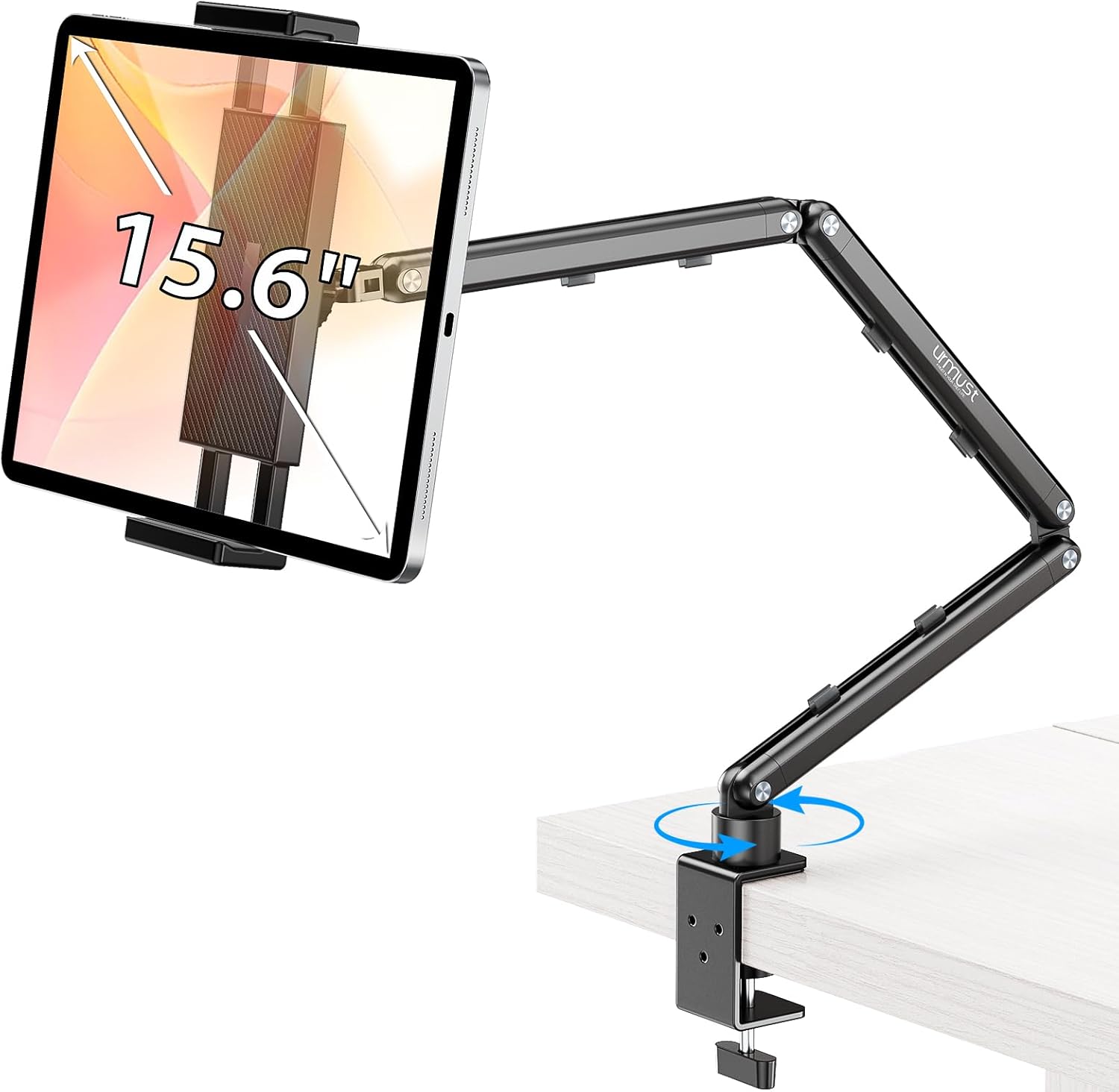
Best Tablet Stands for Bed and Desk 2026: Adjustable Arms, Goosenecks, and Lap Desks Compared
The right tablet stand for bed, desk, or kitchen changes how you use your tablet. We compare the best options from Chine