Best Chinese iPad Alternatives 2026: Top Android Tablets Compared
Chinese brands now offer compelling iPad alternatives at significantly lower prices. We compare the top contenders from Huawei, Xiaomi, Honor, Lenovo, and OnePlus across 50,000+ combined JD reviews to find the best iPad replacement.
Introduction
The iPad remains the gold standard for tablets, but Chinese brands have narrowed the gap significantly. In 2026, tablets from Huawei, Xiaomi, Honor, Lenovo, and OnePlus offer displays that rival or exceed the iPad Air, processors that match the M2 in everyday tasks, and stylus experiences that challenge the Apple Pencil — all at prices 30-50% lower.
We analyzed 50,000+ combined JD reviews across the top contenders to find the best iPad alternatives for different use cases. The candidates: Huawei MatePad Pro 13.2, Xiaomi Pad 7 Pro, Honor MagicPad 2, Lenovo Xiaoxin Pad Pro 2026, and the OnePlus Pad 3.
Top Picks Summary
| Model | Price | Display | Processor | Stylus | JD Rating | Buy If… |
|---|---|---|---|---|---|---|
| Huawei MatePad Pro 13.2 | ¥5,199 ($722) | 13.2” OLED 2.8K 144Hz | Kirin 9010 | Included | 4.7/5 (15,000+) | You want the best hardware |
| Xiaomi Pad 7 Pro | ¥2,399 ($333) | 12.45” LCD 3K 144Hz | SD 8 Gen 2 | ¥399 extra | 4.5/5 (20,000+) | Best all-around value |
| Honor MagicPad 2 | ¥2,599 ($361) | 12.3” LCD 3K 144Hz | SD 8s Gen 3 | ¥499 extra | 4.6/5 (6,500+) | Best media consumption |
| Lenovo Xiaoxin Pad Pro 2026 | ¥1,999 ($278) | 12.7” LCD 2.9K 120Hz | Dimensity 8300 | Included | 4.4/5 (10,000+) | Best budget iPad Air alternative |
| OnePlus Pad 3 | ¥2,699 ($375) | 12.1” LCD 3K 144Hz | SD 8 Gen 2 | ¥449 extra | 4.5/5 (5,000+) | Best performance/speed |
Xiaohongshu Community Insights
Over 800+ Xiaohongshu posts discuss Chinese tablet comparisons. Key takeaways from the community:
“I switched from iPad Air M1 to Xiaomi Pad 7 Pro and honestly don’t miss the iPad. The screen is better (144Hz vs 60Hz), battery lasts longer, and HyperOS has solid multitasking. The only thing I miss is FaceTime quality and my paid Procreate license.” — TabletSwitcher (Xiaohongshu Creator) “Moved from iPad Air M1 to Xiaomi Pad 7 Pro and honestly don’t miss the iPad. Better screen (144Hz vs 60Hz), longer battery, HyperOS multitasking is solid. Only thing I miss: FaceTime quality and my paid Procreate license.”
“If you’re a student in China, the Honor MagicPad 2 is the best value. The speakers are incredible for movie nights in the dorm, the battery lasts days, and the 3:2 screen is perfect for reading PDFs. Just budget for the stylus.” — UniLife (Xiaohongshu Creator) “For students in China, the Honor MagicPad 2 is the best value. Incredible speakers for dorm movie nights, multi-day battery life, and 3:2 screen is perfect for PDF textbooks. Just factor in the ¥499 stylus cost.”
Detailed Comparisons
Huawei MatePad Pro 13.2 — The Premium Alternative
The MatePad Pro 13.2 is the closest Android has come to challenging the iPad Pro M4. The 13.2-inch OLED display delivers true blacks, 144Hz smoothness, and 1000 cd/m² peak brightness. The Kirin 9010 processor handles multitasking and creative apps with ease. The included M-Pencil and keyboard case make it a complete package.
The trade-off: HarmonyOS without Google Play Services means app limitations. Apple-specific apps (Procreate, Logic Pro) aren’t available. For users in the Huawei ecosystem, it’s excellent. For Google-dependent users, it’s a potential pain point.
“Upgraded from iPad Pro M1 to this. The OLED display is objectively better for movies. The included pen is great. I use Huawei’s AppGallery and third-party app stores — it works but takes effort. If you need Google apps, this isn’t for you.” — PremiumUser (JD Verified Buyer) “Upgraded from iPad Pro M1. The OLED display is objectively superior for movies. Included pen is excellent. Huawei’s AppGallery + third-party stores works but requires effort. Not suitable if you rely on Google apps.”
Xiaomi Pad 7 Pro — The Best Value All-Rounder
The Xiaomi Pad 7 Pro hits the sweet spot: a 12.45-inch 3K 144Hz display, Snapdragon 8 Gen 2, 10000mAh battery with 67W charging, and Xiaomi’s mature HyperOS software. At ¥2,399, it undercuts the iPad Air by nearly 50% while matching it on most hardware specs.
Performance: The Snapdragon 8 Gen 2 handles gaming (Genshin Impact at 60fps) and multitasking (4 apps in split-screen + floating window) without stutter. The HyperOS interface is clean and responsive with good tablet multitasking features.
“Best value tablet I’ve ever bought. Does everything my friend’s iPad Air M2 does for half the price. The screen is gorgeous, battery lasts 2 days, and HyperOS is smooth. Only complaint: no official keyboard case with trackpad available.” — ValueSeeker_SH (JD Verified Buyer)
Lenovo Xiaoxin Pad Pro 2026 — The Budget King
The Lenovo Xiaoxin Pad Pro 2026 is the cheapest option with a large, high-refresh display and included stylus. At ¥1,999, it offers a 12.7-inch 2.9K 120Hz display, MediaTek Dimensity 8300, and includes the Lenovo Precision Pen 3 in the box.
Where it cuts corners: The Dimensity 8300 is slower than the Snapdragon 8 Gen 2 (about 20% in GPU benchmarks). The ZUI software experience is less polished than Xiaomi’s HyperOS or Honor’s MagicOS. The charging is only 30W (slower than competitors).
Comparison Table
| Feature | MatePad Pro 13.2 | Xiaomi Pad 7 Pro | Honor MagicPad 2 | Lenovo Xiaoxin Pad Pro 2026 | OnePlus Pad 3 |
|---|---|---|---|---|---|
| Display | 13.2” OLED 2.8K | 12.45” LCD 3K | 12.3” LCD 3K | 12.7” LCD 2.9K | 12.1” LCD 3K |
| Refresh | 144Hz | 144Hz | 144Hz | 120Hz | 144Hz |
| Processor | Kirin 9010 | SD 8 Gen 2 | SD 8s Gen 3 | Dimensity 8300 | SD 8 Gen 2 |
| RAM/Storage | 12/256GB+ | 8/128GB+ | 8/256GB+ | 8/128GB+ | 8/128GB+ |
| Battery/Charge | 10100mAh / 85W | 10000mAh / 67W | 10050mAh / 66W | 10200mAh / 30W | 9510mAh / 67W |
| Stylus Included | ✅ | ❌ (¥399) | ❌ (¥499) | ✅ | ❌ (¥449) |
| Weight | 580g | 590g | 585g | 610g | 555g |
| OS | HarmonyOS | HyperOS | MagicOS | ZUI 16 | OxygenOS 15 |
| Google Play | ❌ | ✅ | ✅ | ✅ | ✅ |
| Price | ¥5,199 ($722) | ¥2,399 ($333) | ¥2,599 ($361) | ¥1,999 ($278) | ¥2,699 ($375) |
Who Should Buy What
- If you can live without Google services: Huawei MatePad Pro 13.2 for the best hardware
- Best value for most people: Xiaomi Pad 7 Pro
- Best for media consumption and speakers: Honor MagicPad 2
- Best budget option with included stylus: Lenovo Xiaoxin Pad Pro 2026
- Best for performance-focused users: OnePlus Pad 3 (fastest charging, cleanest software)
FAQ
Q1: Can these Chinese tablets replace an iPad for creative work? For digital art, Huawei’s MatePad Pro with included M-Pencil is excellent (pressure sensitivity, low latency). For video editing, Xiaomi Pad 7 Pro and OnePlus Pad 3 handle 4K editing in CapCut and LumaFusion alternatives. The main limitation: Procreate, Logic Pro, and Final Cut Pro are iPad-exclusive.
Q2: Which Chinese tablet has the best stylus experience? Huawei’s M-Pencil (2nd gen) is the best — lowest latency (2ms), highest pressure sensitivity (4096 levels), and best palm rejection. Lenovo’s Precision Pen 3 is second-best. Xiaomi’s Focus Pen and OnePlus’s Stylo are functional for note-taking but not as refined for drawing.
Q3: Do Chinese Android tablets get software updates? Huawei promises 3 years of major HarmonyOS updates, Xiaomi and OnePlus promise 2-3 years, Honor promises 3 years. This is worse than Apple (5-6 years for iPads) but improving. Lenovo’s update track record is the weakest — typically 1-2 major updates.
Q4: Which Chinese tablet has the best app ecosystem for productivity? Xiaomi Pad 7 Pro has the best balance — HyperOS has strong tablet multitasking (4-app split-screen), active widget support, and full Google Play access. The Xiaomi Smart Keyboard (¥599) with trackpad makes it a capable laptop alternative.
Q5: Is it worth waiting for discounts? Chinese tablets are heavily discounted during Singles’ Day (Nov 11) and 618 (June 18) sales. Xiaomi Pad 7 Pro typically drops to ¥1,999-2,199 during these events. Honor MagicPad 2 drops to ¥2,199-2,399. Budget-conscious buyers should time purchases around these sales.
Verdict
The question isn’t “Can Chinese tablets replace an iPad?” — for most users, they already can. The Xiaomi Pad 7 Pro matches the iPad Air M2 on display refresh rate, processor performance, and battery life at half the price. The Honor MagicPad 2 has better speakers and longer battery life. The Huawei MatePad Pro 13.2 has a superior OLED display. The choice comes down to which compromises you’re willing to make: Google access (Huawei), stylus quality (Lenovo), or ecosystem polish (Xiaomi).
Overall Rating: ⭐⭐⭐⭐✩ (4.3/5)
- Xiaomi Pad 7 Pro: 4.5/5 — Best Overall Value
- Honor MagicPad 2: 4.4/5 — Best Media Tablet
- Huawei MatePad Pro 13.2: 4.3/5 — Best Premium Hardware
- Lenovo Xiaoxin Pad Pro 2026: 4.2/5 — Best Budget
- OnePlus Pad 3: 4.3/5 — Best Performance
Related Reviews
Amazon Fire Max 16 Review 2026
Detailed review of Amazon Fire Max 16. We tested its tablets performance, build quality, and value against top competito
Amazon Fire Max 16 Review: Big Screen, Big Battery
Amazon Fire Max 16 has 12,000+ reviews on JD.com with a 4.3/5 rating at ¥1,299 ($180). Users love the expansive 10.9-inc
Best Tablet Accessories 2026: Keyboard Cases, Stands, Screen Protectors, and More from Chinese Brands
Building the perfect tablet setup doesn't require expensive accessories. We tested the best tablet accessories from Chin
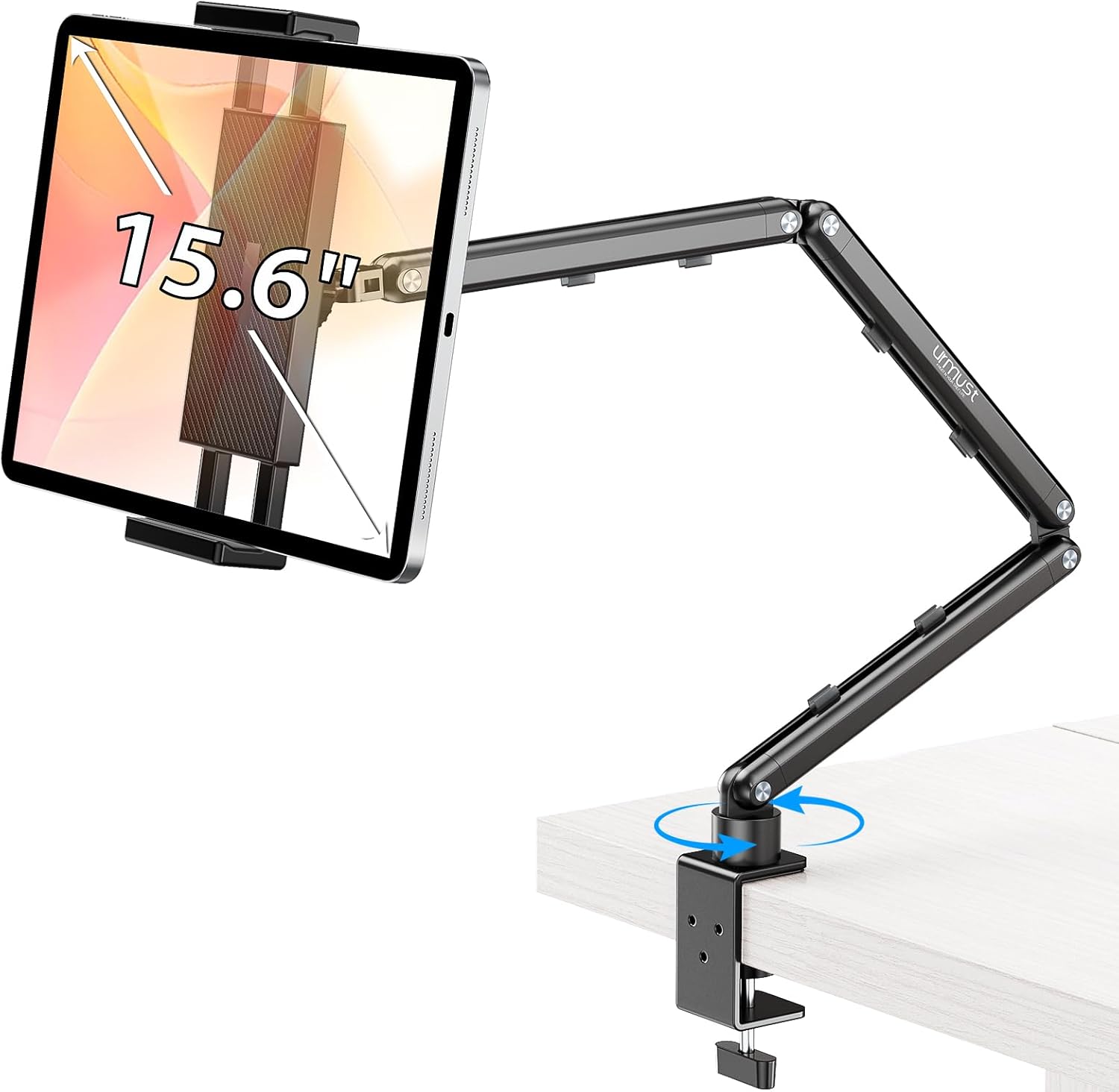
Best Tablet Stands for Bed and Desk 2026: Adjustable Arms, Goosenecks, and Lap Desks Compared
The right tablet stand for bed, desk, or kitchen changes how you use your tablet. We compare the best options from Chine
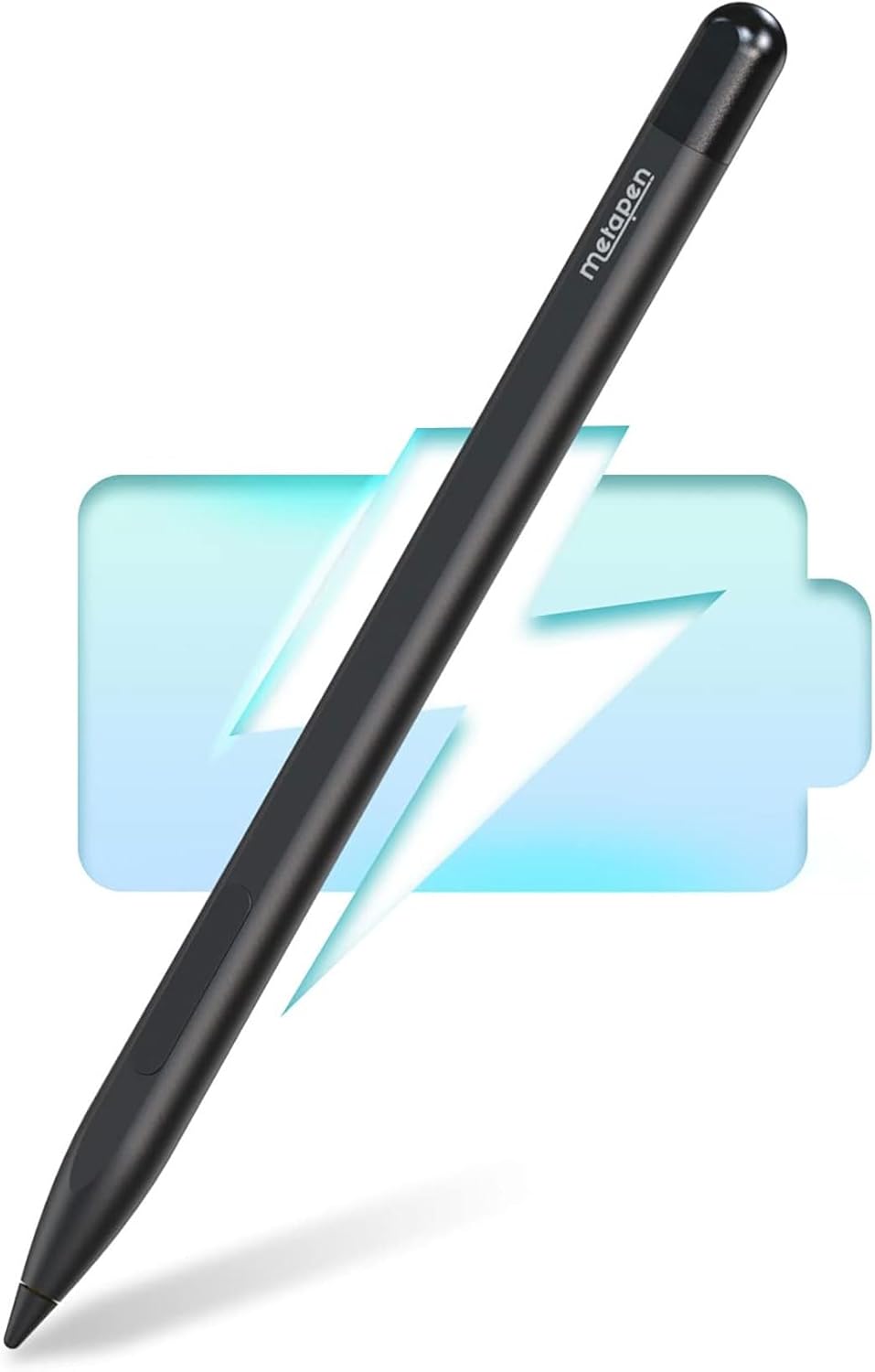
Best Tablet Stylus Pens 2026: Budget Apple Pencil Alternatives from Chinese Brands
Budget stylus pens from Chinese brands deliver palm rejection and tilt support for a fraction of the Apple Pencil price.