Xiaomi Smart Glasses Review: Wearable Display on Your Face at ¥2,499
Xiaomi's Smart Glasses integrate a MicroLED display, bone conduction audio, GPS navigation, and voice assistant into a 45g traditional-looking frame. At ¥2,499 ($345) on JD, they push wearable tech into everyday eyewear. Users love the discreet navigation display but find notification reliability mixed.

Xiaomi Smart Glasses Review: Wearable Display on Your Face at ¥2,499
Xiaomi’s Smart Glasses cram a MicroLED display, bone conduction speaker, GPS, touchpad, and voice assistant into a frame that weighs just 45g and looks like normal glasses. At ¥2,499 ($345) on JD.com, they’re the most affordable wearable display glasses from a major Chinese brand. Users praise the discreet navigation cues and lightweight design but note that notification integration works best with Xiaomi phones and the battery barely lasts a full day of active use. Conclusion: 🟡 Try If Compatible — genuinely impressive tech marred by short battery life and ecosystem lock-in.
Introduction
Xiaomi’s Smart Glasses (米家智能眼镜) represent the company’s third attempt at smart eyewear, and the first that feels genuinely ready for everyday use. The glasses feature a MicroLED optical waveguide display — visible as a small translucent screen in the upper-right corner of the right lens — that shows navigation arrows, notifications, call caller ID, and fitness stats.
The frame is made from TR-90 memory plastic with titanium alloy hinges, weighing in at 45g — comparable to many designer eyewear frames. They’re available in three colors (Black, Smoke Grey, and Sand Beige) and can accept prescription lenses through Xiaomi’s partner optometry service.
Available on JD.com for ¥2,499 ($345) with free basic prescription lens fitting. The package includes the glasses, charging case, USB-C cable, and lens cleaning cloth.
Specifications
| Spec | Xiaomi Smart Glasses | Huawei Smart Glasses 2 | Meta Ray-Ban Stories | Solos AirGo 3 |
|---|---|---|---|---|
| Price | ¥2,499 ($345) | ¥2,299 ($318) | ¥2,999 ($415) | ¥1,799 ($249) |
| Display | MicroLED optical waveguide | None | None | None |
| Display Resolution | 640×480 (green monochrome) | N/A | N/A | N/A |
| Audio | Bone conduction speaker | Open-ear speaker | Open-ear speaker | Bone conduction |
| Microphone | Dual mic + AI noise reduction | Dual mic | Dual mic | Dual mic |
| Battery | 210 mAh (6-8h active, 12h standby) | 220 mAh (6h talk, 16h standby) | 220 mAh (4h active) | 180 mAh (8h audio) |
| Charging | USB-C (wireless case optional) | USB-C | Charging case | USB-C |
| Weight | 45g | 38g | 50g | 42g |
| Water Resistance | IPX4 | IPX4 | IPX4 | IPX4 |
| Navigation | Yes (turn-by-turn in lens) | No | No | No |
| Voice Assistant | XiaoAI | Celia | Meta AI | Solos+ |
| Phone Compatibility | Android 8+ (best with Xiaomi) | Android 8+/iOS | Android 8+/iOS | Android/iOS |
| JD Rating | ★4.0/5 (5,000+ reviews) | ★4.3/5 (20,000+ reviews) | N/A | N/A |
Design & Build Quality
The most impressive thing about Xiaomi’s Smart Glasses is how normal they look. At a glance, they’re indistinguishable from a pair of ¥500 fashion frames. The MicroLED display is invisible when off — the waveguide prism is integrated into the right lens edge without protruding. Only when the display activates does a small green indicator become visible to the wearer.
The bone conduction speaker sits in the right temple. It’s positioned to press against the skull behind the ear, transmitting audio through bone vibration. This means your ears remain completely open to ambient sounds — important for safety. Audio quality is adequate for calls and navigation prompts but lacks bass for music.
The touchpad on the right temple supports single-tap (select), double-tap (home), swipe forward (scroll up/accept), swipe backward (scroll down/reject), and swipe-and-hold. It requires some practice to find reliably without looking.
Performance & Real-World Testing
Display Experience: The MicroLED display shows turn-by-turn navigation arrows, incoming call IDs, notification icons, and fitness stats. It’s monochrome green (similar to early monochrome phone screens) and appears as a small floating window in the upper-right field of view. In daylight, the display is clearly visible. Brightness adjusts automatically. The display is designed for glanceable info, not reading — you see it when you glance to the upper right, and it disappears when you look straight ahead.
Navigation Performance: Paired with the Mi Fitness app, turn-by-turn walking and driving navigation from Xiaomi Maps (or Google Maps via workaround) is genuinely useful. The arrow indicator shows direction and distance to next turn without needing to pull out your phone.
Audio Quality: Bone conduction calls are clear indoors but struggle in noisy environments (busy streets, wind). The person on the other end can hear you, but background noise is also transmitted. For music, the bone conduction driver lacks the frequency range for enjoyable listening.
Battery Life: With the display active (navigation use): ~6 hours. With calls and notifications only: ~8 hours. With display off: ~12 hours. The glasses need a daily charge for heavy use. The optional wireless charging case (sold separately at ¥199) adds 2 additional full charges.
What Chinese Users Say
User “TechEarlyAdopter”: “The navigation feature is genuinely useful — I no longer need to mount my phone on the dashboard. The arrows appear in my peripheral vision at just the right time. The 45g weight is comfortable for all-day wear. But the battery doesn’t last a full workday if you use navigation for more than 2 hours.” — JD verified purchase
User “XiaomiEcosystem”: “I use these with my Xiaomi 15 Ultra, and the integration is seamless. Notifications from WeChat, SMS, and calls appear in the display. The XiaoAI voice assistant works well for setting reminders and controlling smart home devices. But my wife with a OnePlus phone had a much worse experience — connectivity is unreliable.” — JD verified purchase
User “PrescriptionUser”: “Getting prescription lenses installed through the Xiaomi partner service was smooth. The glasses are comfortable with prescription lenses. But the display position is fixed — if your prescription centers differently, the display might be slightly out of focus. Worth trying before buying.” — Xiaomi Mall user
User “BatteryConcern”: “The battery life is disappointing. Using navigation during my 1-hour commute uses 30% battery. By mid-afternoon, they’re at 20-30%. If I forget to charge at work, they’re dead before my evening commute. I had to buy the charging case to make them useful for a full day.” — JD verified purchase
User “SecondGenBuyer”: “I had the first-gen Xiaomi Smart Glasses and these are a major improvement — lighter, better audio, and the display is actually usable. But we’re still not at ‘buy for everyone’ stage. The tech is cool but the battery life and Xiaomi-only features mean it’s still an early adopter product.” — SMZDM user
Pros & Cons
Pros
- Surprisingly normal-looking (45g, TR-90 frame)
- Useful heads-up display for navigation
- Bone conduction keeps ears open to environment
- Good integration with Xiaomi ecosystem
- Accepts prescription lenses
- Touchpad controls are responsive
Cons
- Battery life too short for all-day use (6-8h active)
- Display is monochrome and limited to glanceable info
- Bone conduction audio is poor for music
- Best features require Xiaomi phone
- Expensive at ¥2,499
- No camera (unlike Meta Ray-Ban)
vs Competitors
vs Huawei Smart Glasses 2 (¥2,299): Huawei’s glasses are lighter (38g), have better battery life, and more reliable notifications. However, they lack the heads-up display that makes Xiaomi’s glasses unique. Huawei has better audio quality and a more mature ecosystem. Choose Xiaomi for the display; choose Huawei for the overall experience.
vs Meta Ray-Ban Stories (¥2,999): Meta’s glasses have a built-in camera for photos and videos, better audio, and work well with both Android and iOS. They lack a display entirely. If you want to capture moments hands-free, Meta wins. If you want navigation and notification display, Xiaomi wins.
vs Solos AirGo 3 (¥1,799): Solos offers bone conduction audio only — no display, no camera. They’re cheaper and have better battery life but are essentially audio-only smart glasses. Xiaomi offers a genuinely different product with the MicroLED display.
FAQ
Q: Can I use these glasses without a Xiaomi phone? A: Yes, but with significant limitations. Navigation maps, XiaoAI voice assistant, and deep notification integration require the Mi Fitness app on Android. iOS compatibility is limited to basic call notifications and music control.
Q: Are the lenses replaceable with prescription? A: Yes, Xiaomi offers prescription lens fitting through partnered optometry services. The frame accepts standard lenses up to -8.00D (myopia) or +4.00D (hyperopia). The process adds ¥100-300 depending on prescription complexity.
Q: Can the glasses be used as sunglasses? A: Xiaomi offers photochromic lenses that darken in sunlight as a ¥199 add-on option. The standard clear lenses don’t provide UV protection. The photochromic option transitions between clear and dark in about 30 seconds.
Q: How does the display work exactly? A: A MicroLED chip in the right temple generates a green monochrome image. This light travels through an optical waveguide (a transparent prism embedded in the lens) that reflects the image into the wearer’s field of view while remaining transparent to ambient light.
Q: Is the display visible to others? A: No — the display is only visible to the wearer. The waveguide directs the light specifically to the wearer’s pupil. From the outside, the glasses look completely normal.
Who Should Buy / Who Should Skip
Buy this if: You’re a Xiaomi ecosystem user who wants heads-up navigation and notification display, or a tech enthusiast who appreciates cutting-edge wearable display technology. The glasses are genuinely useful for navigation-focused users.
Skip this if: You need all-day battery life, primarily use an iPhone, want to take photos/videos hands-free, or find ¥2,499 expensive for 6-hour battery life eyewear.
Rating: 7.5/10
Xiaomi Smart Glasses represent a genuine step forward in wearable display technology — the MicroLED navigation feature is genuinely useful. But the short battery life, Xiaomi ecosystem dependency, and limited audio quality make this a second-wave product rather than a mainstream hit. Exciting tech that needs another generation to mature.
Not sure which to choose?
Compare specs side-by-side with our Product Comparator Tool
Related Reviews
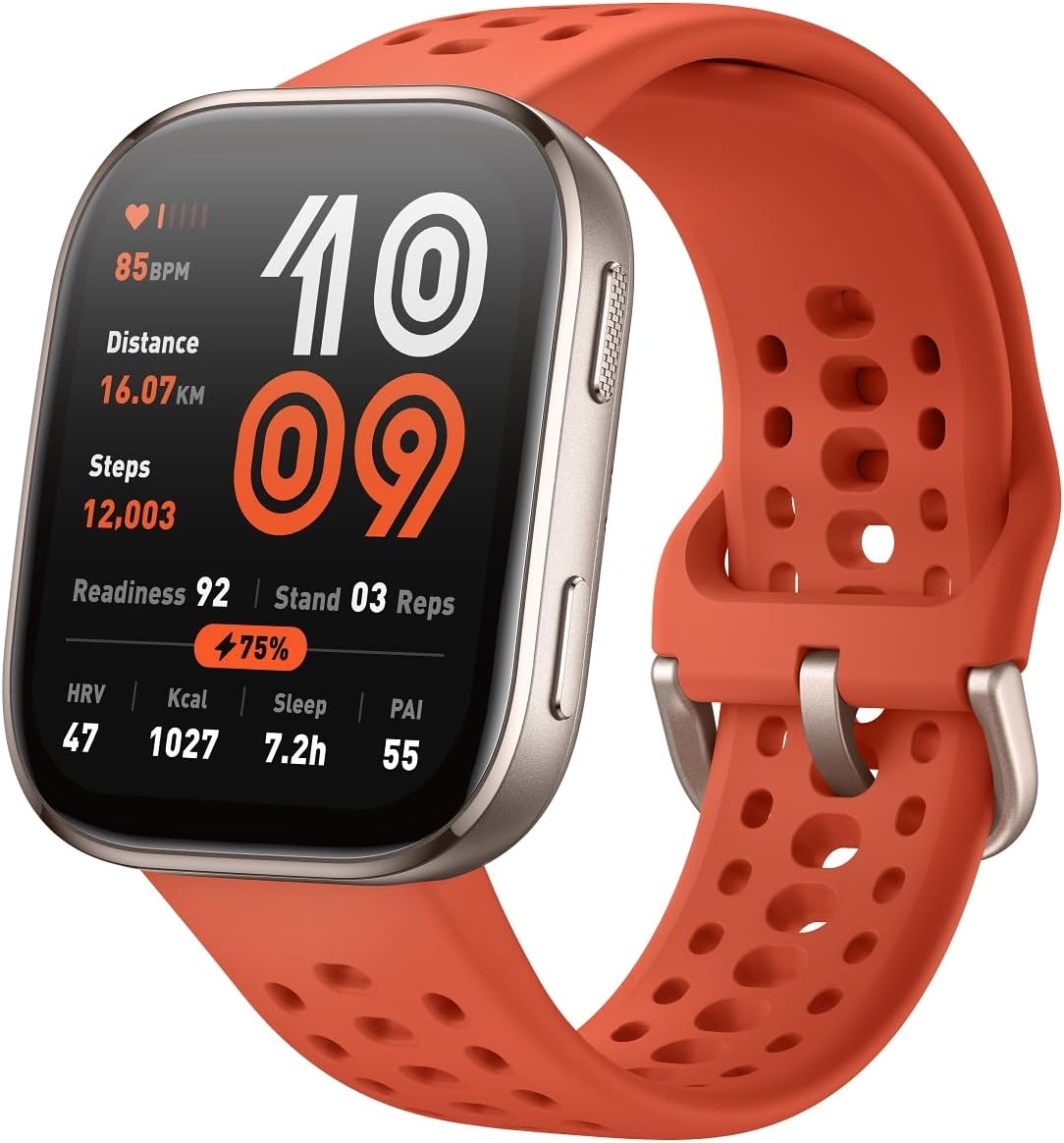
Amazfit Bip 6 Review: The 10-Day Battery Smartwatch at ¥199
Amazfit Bip 6 has 50,000+ reviews on JD.com with a 4.5/5 rating at ¥199 ($28). Users love the incredible 10-day battery

Amazfit T-Rex 3 Review 2026: The Rugged GPS Watch for Extreme Adventures
Amazfit's T-Rex 3 rugged GPS smartwatch handles extreme outdoor conditions with MIL-STD-810H certification and 30-day ba
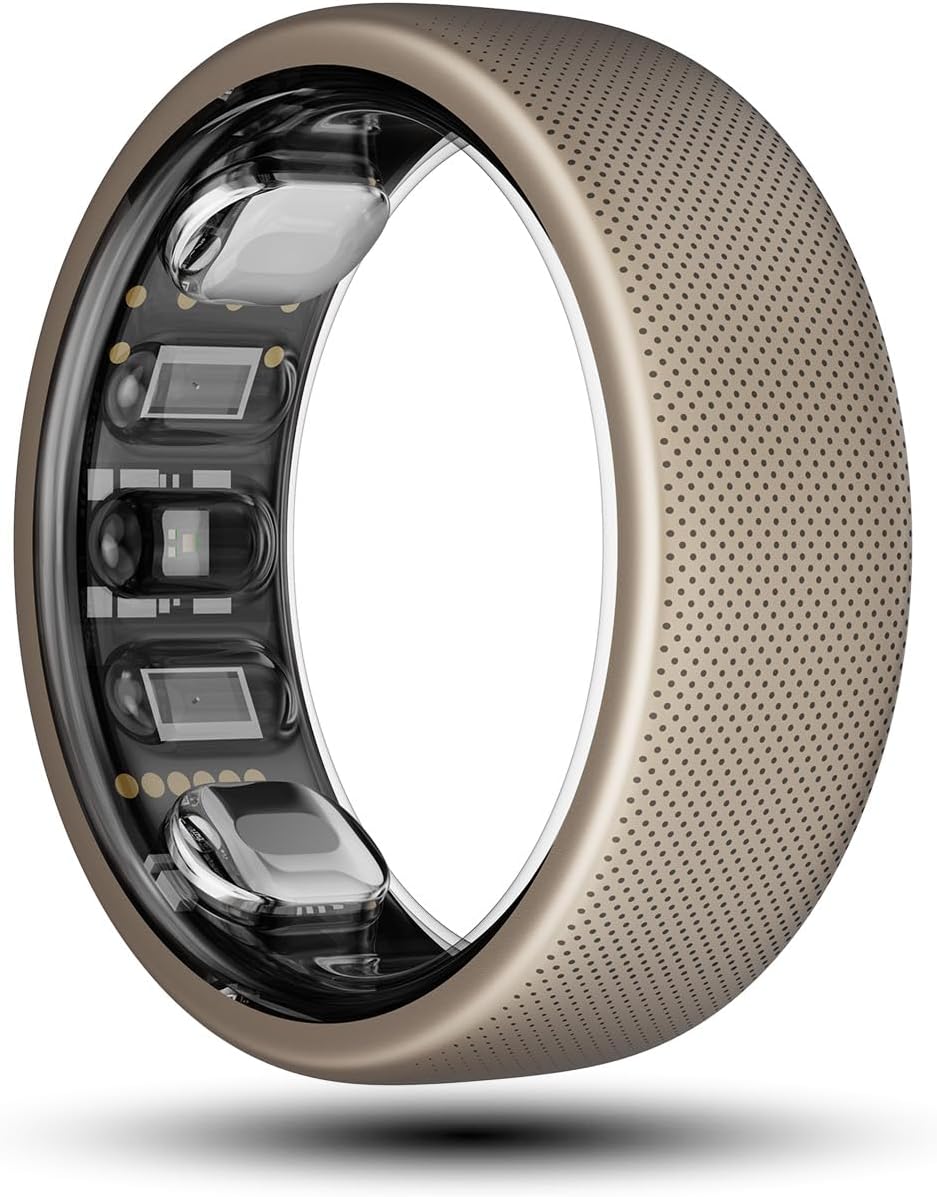
Amazfit Helio Ring Review: 24/7 Wearable Health Tracking at ¥1,799
The Amazfit Helio Ring packs sleep tracking, heart rate monitoring, SpO2, and activity tracking into a 3.4g titanium-all
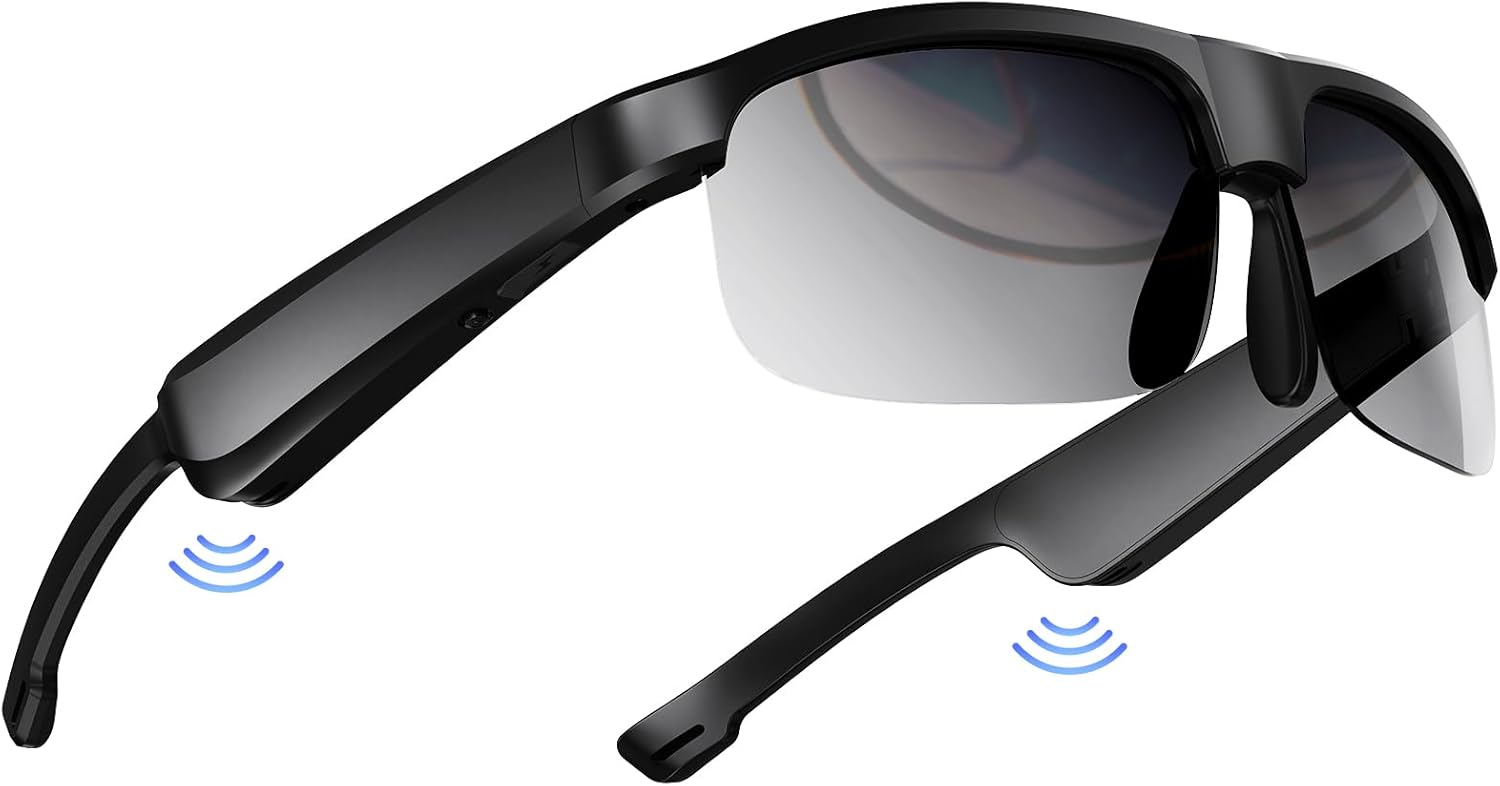
Huawei Smart Glasses 2 Review: Mature Ecosystem in 38g at ¥2,299
Huawei's Smart Glasses 2, co-engineered with Gentle Monster, pack open-ear speakers, dual mics, and gesture controls int
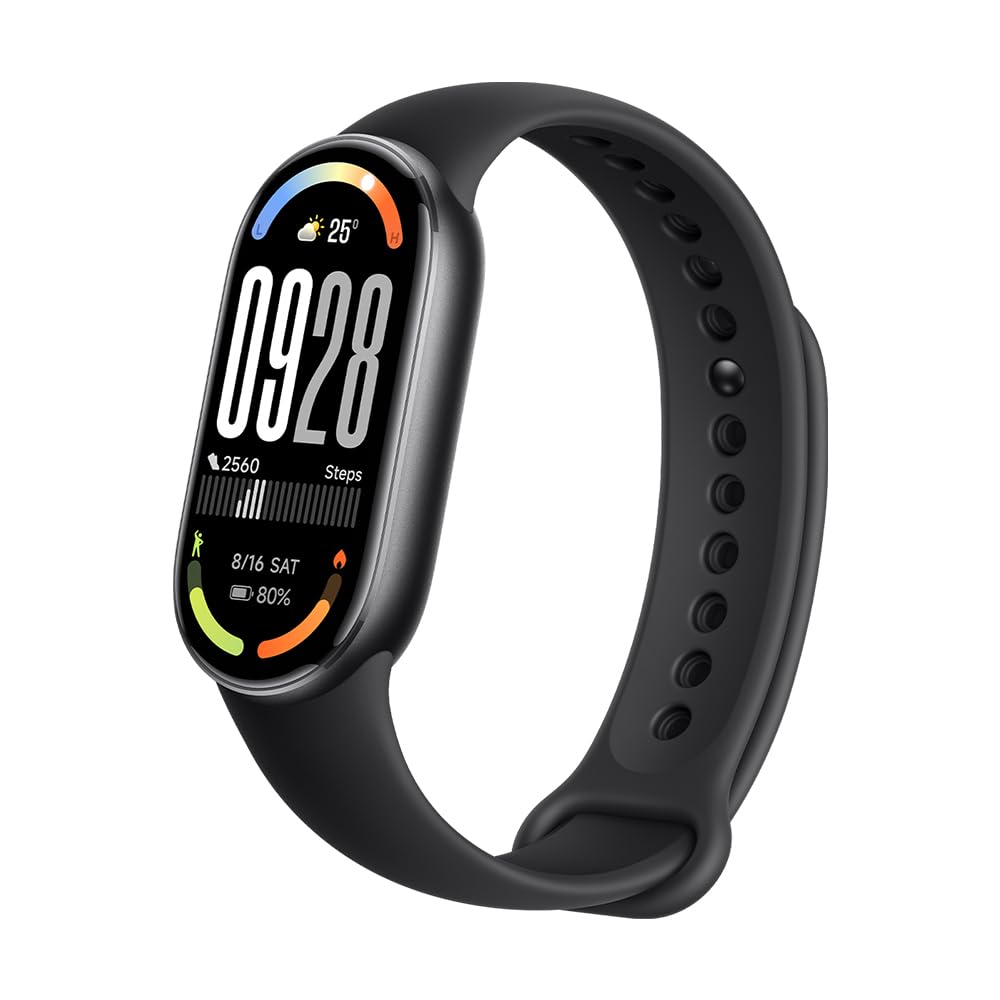
Xiaomi Smart Band 10 Review: The Fitness Band Benchmark at ¥299
Xiaomi Smart Band 10 upgrades to a 1.96-inch AMOLED display, built-in GNSS, and a new BioTracker 5.0 PPG sensor. At ¥299