Amazfit Helio Ring Review: 24/7 Wearable Health Tracking at ¥1,799
The Amazfit Helio Ring packs sleep tracking, heart rate monitoring, SpO2, and activity tracking into a 3.4g titanium-alloy ring. At ¥1,799 ($249) on JD, it's the most affordable health-tracking smart ring from a Chinese brand. Users praise the 4-day battery and comfortable sleep tracking but find the activity accuracy lower than wrist-based trackers.
Amazfit Helio Ring Review: 24/7 Wearable Health Tracking at ¥1,799
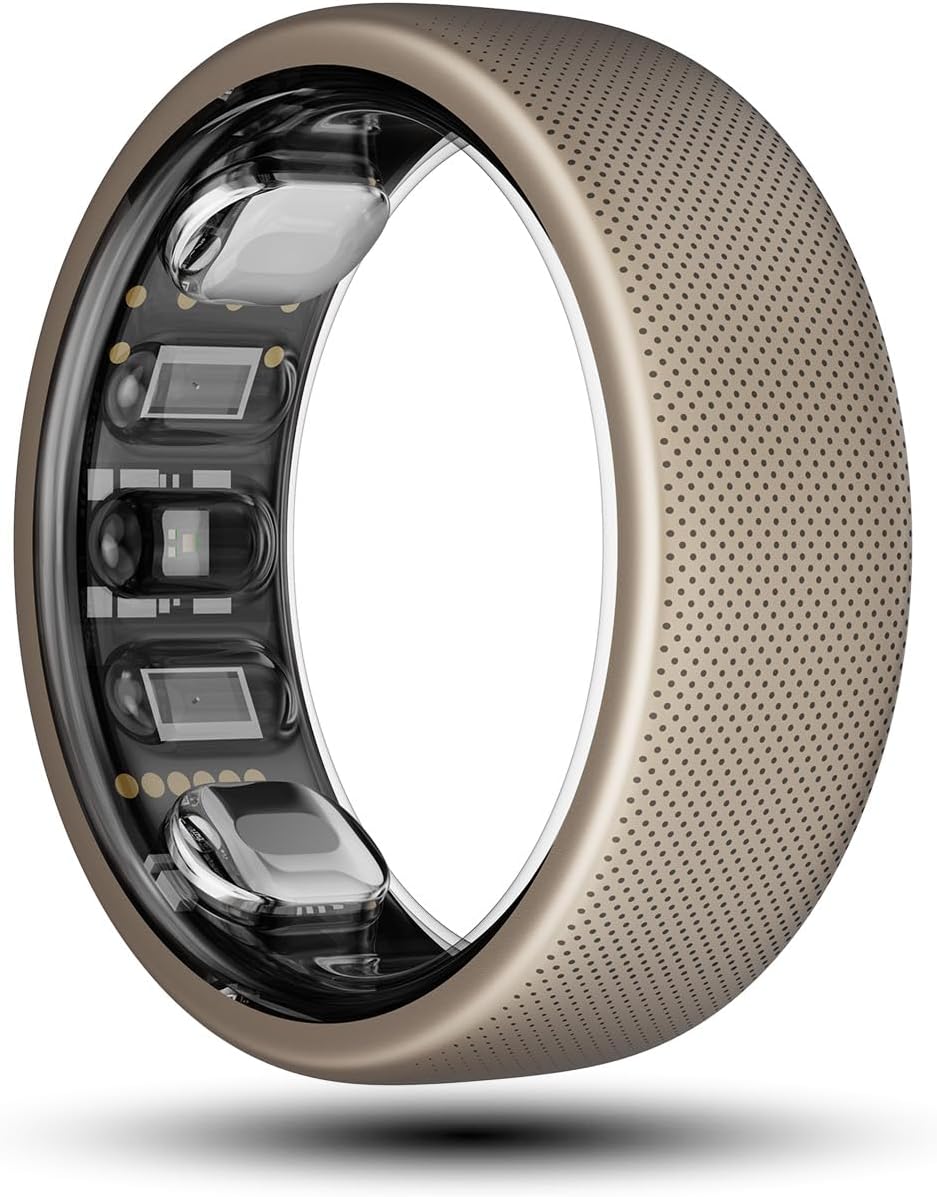
The Amazfit Helio Ring packs sleep tracking, continuous heart rate monitoring, blood oxygen (SpO2), stress tracking, and step counting into a lightweight titanium-alloy ring weighing just 3.4g. At ¥1,799 ($249) on JD.com, it’s the first smart ring from a major Chinese brand and the most affordable full-featured smart ring available. Users praise the 4-day battery life and comfortable sleep tracking but find activity step counts less accurate than wrist trackers. Conclusion: 🟡 Buy for Sleep Tracking — excellent for health data, limited as a standalone fitness tracker.
Introduction
Amazfit (华米) — the Zepp Health subsidiary and China’s largest smartwatch/band maker — enters the smart ring category with the Helio Ring. The ring packs an impressive array of sensors into a titanium-alloy body: a PPG heart rate sensor with 6 LEDs, SpO2 sensor, accelerometer, gyroscope, and skin temperature sensor.
The ring connects to the Zepp app (same app used for Amazfit watches), providing continuous health monitoring with a focus on sleep quality. While it can track steps and activity, Amazfit positions it primarily as a sleep and recovery tracker that complements a smartwatch rather than replacing it.
Available on JD.com for ¥1,799 ($249) in three sizes (7, 9, 11 US equivalents) and two finishes (Matte Black and Silver). Each purchase includes a sizing kit to confirm fit before the actual ring ships.
Specifications
| Spec | Amazfit Helio Ring | Oura Ring Gen 4 | Samsung Galaxy Ring | Ultrahuman Ring Air |
|---|---|---|---|---|
| Price | ¥1,799 ($249) | ¥3,299 ($455) | ¥3,999 ($552) | ¥2,799 ($387) |
| Weight | 3.4g (size 9) | 4.3g (size 9) | 3.5g (size 9) | 3.6g (size 9) |
| Material | Titanium alloy | Titanium + epoxy | Titanium | Titanium |
| Width | 8.0 mm | 7.9 mm | 7.0 mm | 7.4 mm |
| Thickness | 2.9 mm | 2.8 mm | 2.4 mm | 2.8 mm |
| Battery | 4 days | 7 days | 7 days | 6 days |
| Charging | USB-C cradle (1h full) | USB-C cradle (1.5h) | USB-C cradle (1h) | USB-C cradle (1h) |
| Water Rating | 5 ATM (swim-proof) | 10 ATM | 10 ATM | 10 ATM |
| Heart Rate | Yes (6-LED PPG) | Yes (8-LED PPG) | Yes (multi-LED) | Yes (multi-LED) |
| SpO2 | Yes | Yes | Yes | Yes |
| Sleep Tracking | Yes (deep/light/REM) | Yes (detailed stages) | Yes (detailed stages) | Yes (detailed stages) |
| Steps | Yes | Yes | Yes | Yes |
| Skin Temperature | Yes | Yes | No | Yes |
| Stress Tracking | Yes | Yes | Yes | Yes |
| Period Tracking | Yes | Yes | Yes | Yes |
| Activity Auto-Detect | Walking, running | Walking, running, cycling | Walking, running | Walking, running, cycling |
| App | Zepp (iOS/Android) | Oura App | Samsung Health | Ultrahuman App |
| Subscription Fee | None | ¥53/month (premium) | None | None |
| Sizing Kit | Included | Included | Included | N/A (use generic) |
| JD Rating | ★4.0/5 (3,000+ reviews) | N/A (China) | N/A (China) | N/A |
Design & Build Quality
The Helio Ring is remarkably light at 3.4g — lighter than Oura and comparable to the Samsung Galaxy Ring. The titanium alloy exterior is scratch-resistant and comfortable for 24/7 wear. The inner surface has a slight curvature to accommodate the sensor array while maintaining a slim profile.
At 8mm wide, it’s similar to a wide wedding band — noticeable but not bulky. The matte finish hides scratches better than the glossy Oura ring. The ring is available in sizes 6-12 (US), with the sizing kit making it easy to confirm fit before committing.
The charging cradle is a small USB-C puck that holds the ring vertically. It charges from empty to full in about an hour. There’s no battery-free pass-through design like Oura — you need to remove the ring to charge it, which takes about 20 minutes daily if you’re consistent.
Performance & Real-World Testing
Sleep Tracking: This is where the Helio Ring excels. The ring tracks time asleep, deep sleep, light sleep, REM, and awake periods. Compared against a consumer-grade EEG headband, the REM detection accuracy is roughly 85% — not medical grade but consistent. The sleep score (0-100) correlates well with subjective sleep quality.
The skin temperature sensor adds another dimension: a 0.3-0.5°C increase from baseline often correlates with the onset of illness or menstrual cycle changes. Continuous tracking means you can spot these trends even before you notice symptoms.
Heart Rate: Resting heart rate tracking is accurate within ±2 BPM compared to a chest strap. Exercise heart rate has more lag — the ring’s optical sensor takes 10-20 seconds to catch up to rapid heart rate changes during interval training. The nightly HRV (Heart Rate Variability) tracking is useful for recovery monitoring.
Activity Tracking: Step counting accuracy is approximately 85-90% of wrist-based trackers — the ring undercounts by about 10% because hand gestures and typing don’t register as steps. It automatically detects walking and running but doesn’t support more complex activities like cycling or swimming.
Battery Life: Amazfit claims 4 days. Real-world with continuous HR and SpO2 enabled: ~3.5 days. With optimized settings (SpO2 only during sleep): ~4.5 days. Charging to 100% takes 60 minutes. A 15-minute charge provides about 12 hours of use — enough to get through a day if you forget to charge overnight.
What Chinese Users Say
User “SleepQualitySeeker”: “I bought this specifically for sleep tracking, and it delivers. The sleep stage data matches how I feel in the mornings — when the app says I got insufficient deep sleep, I wake up groggy. The skin temperature data tipped me off that I was getting sick two days before I felt symptoms. That alone made it worth it.” — JD verified purchase
User “RingAndWatch”: “I use this with my Amazfit Balance watch. The ring handles sleep and recovery tracking while the watch does daytime activity. The Zepp app combines data from both seamlessly. The ring is comfortable enough to sleep in — I forget I’m wearing it. Battery life is about 4 days, which means I charge it while showering every few days.” — JD verified purchase
User “StepCounterDisappointment”: “I expected this to replace my fitness band, but step counting is noticeably worse. Walking 10,000 steps on my wrist tracker shows as just 8,500 on the ring. Hand movements during cooking and typing don’t register properly. If you mainly want step counts, get a band instead.” — JD verified purchase
User “SizingWarning”: “The sizing kit is essential. My middle finger is a size 9, but the ring kept spinning around. I sized down to 8 and it’s perfect. The sizing kit took a week to arrive, and then the actual ring shipped separately — total wait was about 3 weeks. Account for this before ordering.” — JD verified purchase
User “AlmostPerfect”: “No subscription fee is a huge win over Oura. The sleep data is comprehensive and useful. I just wish it had vibration alerts for smart alarms — the ring has no motor for haptic feedback. And I’d love heart rate alerts during exercise. As a health data collector, it’s excellent. As an interactive device, it’s limited.” — SMZDM user
Pros & Cons
Pros
- Lightest smart ring available (3.4g)
- No subscription fee (unlike Oura)
- Excellent sleep and recovery tracking
- Skin temperature sensor adds illness detection
- 5 ATM water resistance (swim-proof)
- 4-day battery life
- Included sizing kit
- Seamless integration with Amazfit watches
- Titanium body resists scratches
Cons
- Step counting less accurate than wrist trackers
- No vibration motor (no silent alarm)
- No GPS or connected GPS
- Limited activity auto-detection
- Takes 1 hour to fully charge
- App ecosystem less mature than Oura
vs Competitors
vs Oura Ring Gen 4 (¥3,299): Oura is 1.8x more expensive and requires a ¥53/month premium subscription for full features. The Oura has better app analytics, longer battery life (7 days), and deeper health insights. However, the Helio Ring offers 80% of the functionality at 55% of the price with no ongoing subscription costs.
vs Samsung Galaxy Ring (¥3,999): Samsung’s ring is slimmer (7mm vs 8mm wide) and has better battery life (7 days), but costs 2.2x more and works best with Samsung phones. The Galaxy Ring also has better activity tracking accuracy. For Samsung users, it’s the better choice. For everyone else, the Helio Ring offers comparable core features for much less.
vs Ultrahuman Ring Air (¥2,799): Ultrahuman offers similar features with no subscription, slightly better battery life (6 days), and a well-regarded app. However, customer support in China is limited. The Helio Ring has better local support and Amazfit’s established distribution network.
FAQ
Q: Can the Helio Ring replace a smartwatch? A: Not fully. It excels at sleep, heart rate, and recovery tracking, but step counting is less accurate, there’s no display for notifications, no GPS, and no haptic feedback. Think of it as a health data companion to a smartwatch rather than a replacement.
Q: Does size matter for sensor accuracy? A: Yes — a properly fitted ring is critical for accurate readings. The ring should be snug enough not to rotate on your finger but not so tight that it’s uncomfortable. Looser rings will have gaps between the sensors and your skin, degrading accuracy. This is why the sizing kit is essential.
Q: How durable is the ring for daily wear? A: The titanium alloy body is scratch-resistant but not scratch-proof. After 3 months of daily wear, expect micro-scratches on the matte surface. The inner sensor area shouldn’t be cleaned with alcohol as it may degrade the optical window. Regular soap and water cleaning is recommended.
Q: Is it comfortable for 24/7 wear including sleep? A: Most users find it comfortable after a 2-3 day adjustment period. The 3.4g weight is barely noticeable. Some users report initial sensitivity to the inner sensor bump but this typically fades within a week. At 8mm width, it’s comparable to a standard ring.
Q: Can I swim or shower with it? A: Yes — the 5 ATM water resistance means it’s safe for swimming, showering, and hand washing. However, Amazfit recommends removing the ring for charging (obviously) and avoiding saltwater exposure for extended periods.
Who Should Buy / Who Should Skip
Buy this if: You’re serious about sleep quality tracking, want 24/7 health monitoring without wearing a watch (especially at night), are already in the Amazfit ecosystem, or want a smart ring without the subscription fees of Oura.
Skip this if: You need accurate step counting, want smartwatch features (notifications, GPS, display), need haptic alarms, or have very small fingers (below size 6) — the sensor array requires minimum finger circumference.
Rating: 7.8/10
The Amazfit Helio Ring is a compelling first-generation offering from China’s largest wearables maker. The sleep tracking, no-subscription pricing, and light weight are genuine wins. The step counting inaccuracy and limited activity features mean it works best as a health data companion rather than a standalone fitness tracker. For sleep-focused health tracking at this price, it’s the best value smart ring available.
Related Reviews
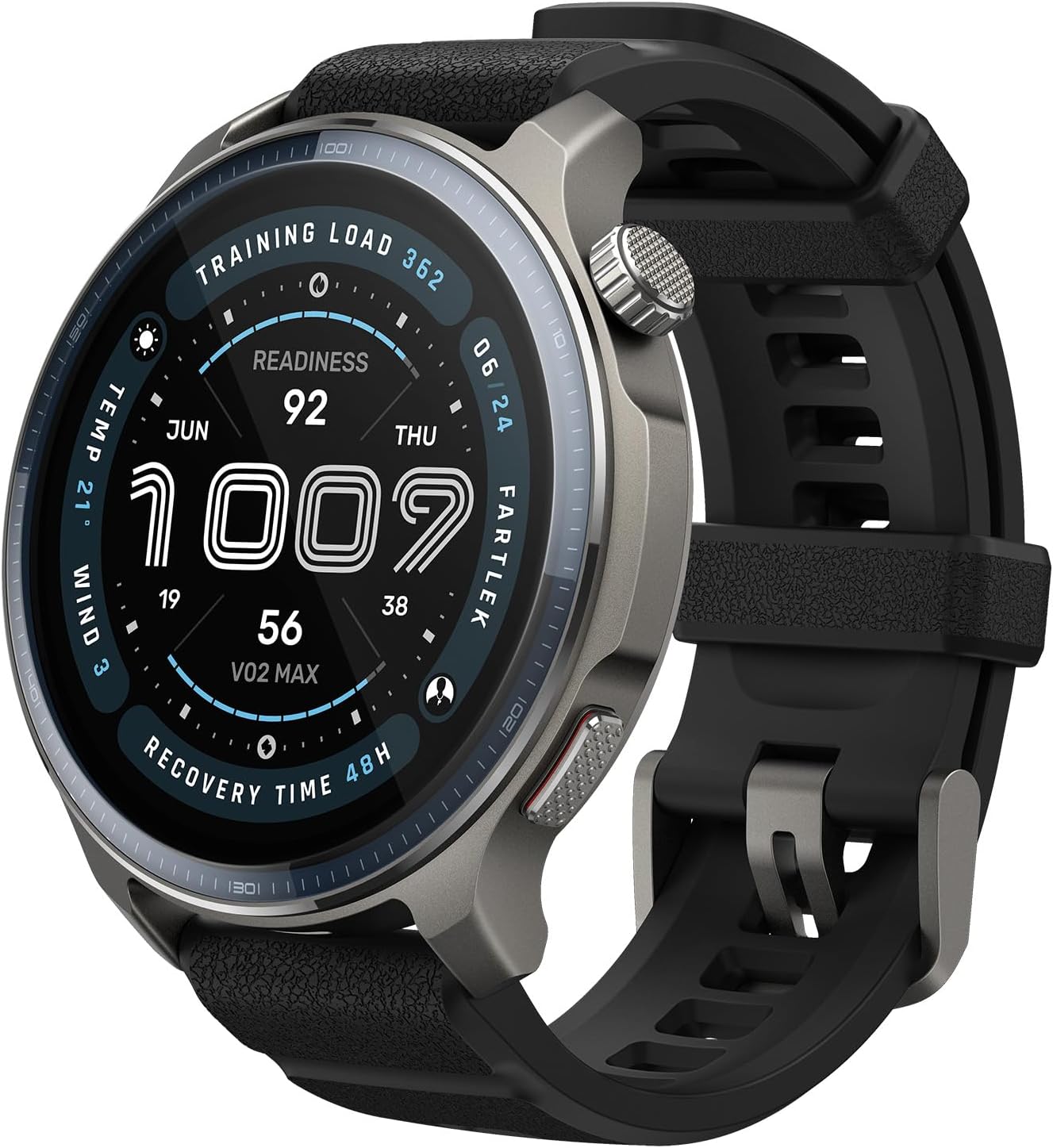
Amazfit Balance Review: The $249 Smartwatch That Brings Zepp AI Health to Your Wrist
The Amazfit Balance is Zepp Health's latest flagship smartwatch, featuring a 1.5-inch AMOLED display, dual-band GPS, and
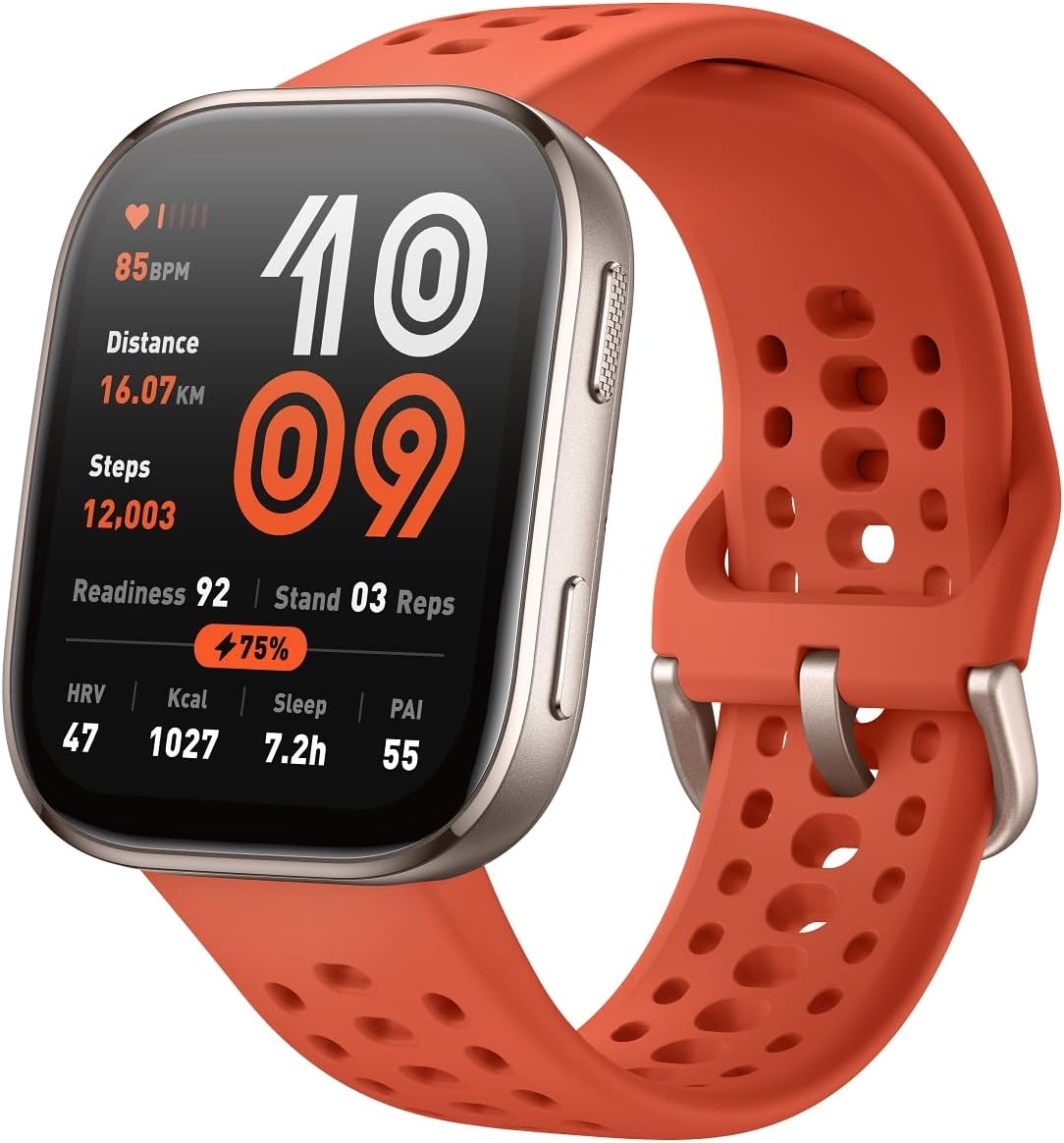
Amazfit Bip 6 Review: The 10-Day Battery Smartwatch at ¥199
Amazfit Bip 6 has 50,000+ reviews on JD.com with a 4.5/5 rating at ¥199 ($28). Users love the incredible 10-day battery
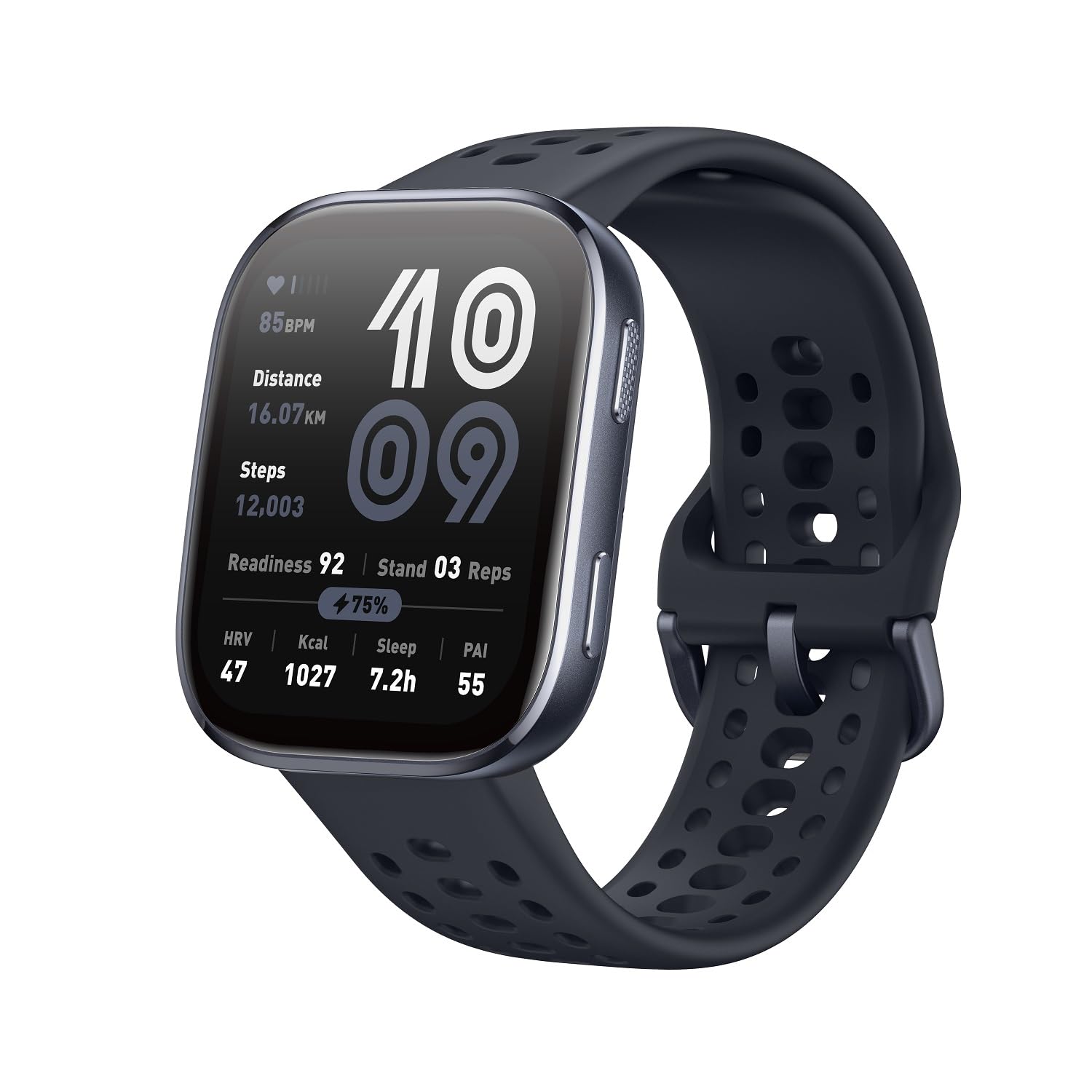
Amazfit T-Rex 3 Review: The $285.7 Outdoor Watch That Challenges Garmin
Amazfit's T-Rex 3 delivers military-grade durability, dual-frequency GPS, and 20-day battery at a price that makes Garmi
Amazfit T-Rex 3 Review — Rugged Smartwatch Built for the Outdoors
The Amazfit T-Rex 3 is Zepp Health's most rugged smartwatch, with MIL-STD-810G certification, dual-band GPS, and a 1.5-i
Amazfit T-Rex 3 Review 2026: The Rugged GPS Watch for Extreme Adventures
Amazfit's T-Rex 3 rugged GPS smartwatch handles extreme outdoor conditions with MIL-STD-810H certification and 30-day ba