Xiaomi Smoke Alarm & Temperature/Humidity Sensor Combo Review: Essential Smart Home Safety
## Introduction Xiaomi's smart safety sensor lineup — the Smoke Alarm, Temperature/Humidity Sensor, and Flooding Sensor — provide affordable, Mi Home-integrated monitoring for fire, water leaks, and climate conditions at ¥49–¥149 each.
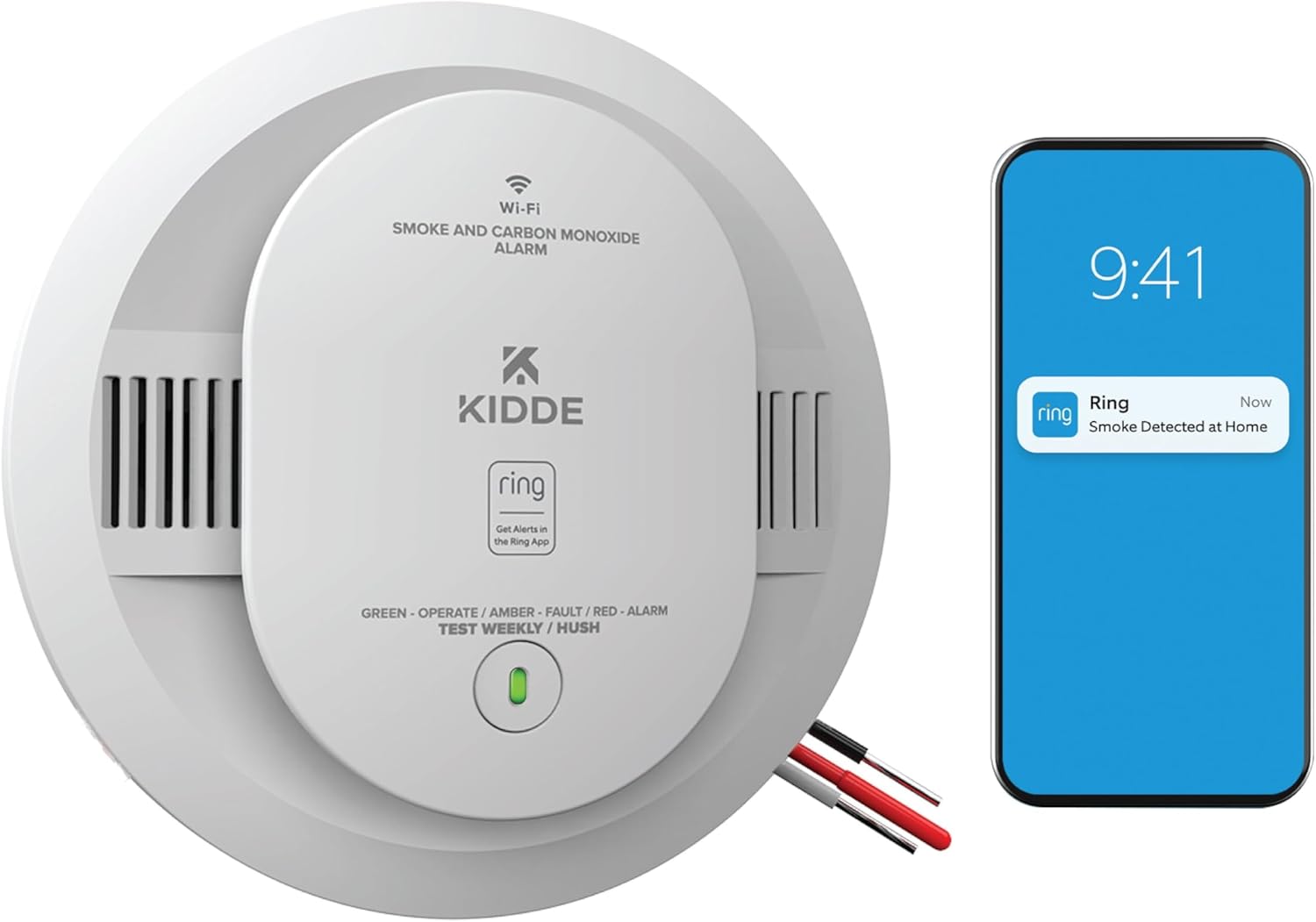
Introduction
Xiaomi’s smart home ecosystem extends beyond convenience lighting and automation into home safety monitoring. The Xiaomi Smart Smoke Alarm (¥149), Temperature/Humidity Sensor (¥49), and Flooding Sensor (¥59) form a comprehensive safety and environment monitoring suite that integrates directly with the Mi Home app and works with the Multi-Mode Gateway 2.
Safety monitoring is a compelling smart home use case — knowing about a fire, water leak, or extreme temperature while you’re away can prevent thousands of yuan in damage. These sensors have accumulated over 50,000+ reviews on JD.com combined, with a 96-98% positive rate across the lineup.
Specifications
| Sensor | Price | Protocol | Battery | Detection | Dimensions |
|---|---|---|---|---|---|
| Smoke Alarm | ¥149 | Zigbee 3.0 | CR123A (3yr) | Photoelectric smoke, 360° | 95 × 45mm |
| Temp/RH Sensor 3 | ¥49 | BLE Mesh | CR2032 (2yr) | Temp: -20°C ~ 60°C, RH: 0-99% | 43 × 43 × 13mm |
| Temp/RH Sensor Clock | ¥79 | BLE Mesh | CR2450 (2yr) | Same + E-ink display | 65 × 65 × 15mm |
| Flooding Sensor | ¥59 | Zigbee 3.0 | CR1632 (3yr) | Water contact detection | 45 × 20mm |
Design and Build
Smoke Alarm
The Xiaomi Smoke Alarm has a white circular design similar to standard smoke detectors but more compact. It uses photoelectric sensing technology — better at detecting smoldering fires (furniture, electrical) than ionization detectors. It connects via Zigbee 3.0 to the Xiaomi gateway.
The alarm includes a self-test button, a silence button (for false alarms during cooking), and a multi-directional mounting bracket. It’s certified to GB 20517-2006 (Chinese national standard for standalone smoke alarms).
Temperature/Humidity Sensor 3
The third-gen sensor is tiny — about the size of a ¥1 coin. It features a built-in BLE Mesh chip for direct connection to the Xiaomi gateway or XiaoAI speakers. The sensor updates readings every 10 minutes by default (configurable in app), balancing battery life with data freshness.
The Temp/RH Sensor with Clock version adds a low-power E-ink display showing temperature, humidity, and time — useful for nurseries, wine cabinets, or desks where you want visible readings.
Flooding Sensor
This sensor detects water when its two metal probes come into contact with moisture. It’s small enough to place under washing machines, water heaters, or under-sink pipes. When triggered, the gateway emits a loud alarm and the phone receives a push notification.
“The smoke alarm is very sensitive — alerted immediately when cooking smoke got too heavy. Good thing there’s a one-shot silence button instead of removing the battery. Safety first — ¥149 for peace of mind is worth it.”
“The Temp/RH Sensor 3 is much smaller than gen 2 — unobtrusive on the wall. First thing I did was compare it with another accuracy temp/humidity meter. ±0.3°C accuracy checks out. Mi Home integration with humidifier/dehumidifier is seamless.”
What Chinese Users Say
Aggregated Ratings: 4.4/5 ★ (50,000+ combined reviews)
Quote 1 — 高* ⭐⭐⭐⭐⭐ (Smoke Alarm)** 💡 “Installed one in the kitchen. One night I forgot to turn off the gas stove — pot dried up and smoked. The alarm went off and I got a phone notification simultaneously. Rushed back to turn off the stove. Genuinely prevented a fire.”
Quote 2 — 杨* ⭐⭐⭐⭐ (Temp/RH Sensor)** 💡 “Temp/RH sensor on the nursery wall, linked to a humidifier and AC via Mi Home. Below 40% humidity → auto-humidifier, above 28°C → auto-AC. ¥49 sensor saves a lot of hassle.”
Quote 3 — 周* ⭐⭐⭐⭐⭐ (Flooding Sensor)** 💡 “Placed under the water heater. Last month it proved useful — the water heater leaked. The sensor detected it instantly. App notification and gateway alarm went off simultaneously. Averted a serious flood. Highly recommended for kitchens and bathrooms.”
Quote 4 — 吴* ⭐⭐⭐⭐ (All Three)** 💡 “Bought all three. Automation scenes are very useful. Smoke and flooding sensors feed into safety scenes, temp/humidity into comfort scenes. Only downside is the smoke alarm can’t locally trigger connected locks.”
Pros and Cons
Pros
- Affordable prices across the lineup (¥49–¥149)
- Real-time push notifications to phone
- Gateway emits local alarm (not phone-dependent)
- Easy Mi Home integration for automation
- Long battery life (2-3 years)
- Compact, unobtrusive designs
- Certified smoke alarm meets national standards
Cons
- Requires Xiaomi gateway (Multi-Mode or XiaoAI speaker with BLE)
- Smoke alarm cannot be silenced remotely via app
- Temp/RH Sensor 3 uses BLE Mesh — range less than Zigbee
- Flooding sensor has no audible alarm on its own
- No CO (carbon monoxide) detection available
vs Competitors
| Feature | Xiaomi Smoke Alarm | Aqara Smoke Alarm | Netatmo Smoke Alarm | Xiaomi Temp/RH 3 | Aqara Temp/RH |
|---|---|---|---|---|---|
| Price | ¥149 | ¥199 | ¥599 | ¥49 | ¥69 |
| Hub Required | ✅ Xiaomi GW | ✅ Aqara GW | ❌ Wi-Fi direct | ✅ BLE GW | ✅ Aqara GW |
| Protocol | Zigbee 3.0 | Zigbee 3.0 | Wi-Fi | BLE Mesh | Zigbee 3.0 |
| Certification | GB 20517 | GB 20517 | EN 14604 | - | - |
| App | Mi Home | Aqara Home | Netatmo | Mi Home | Aqara Home |
| Automation | ✅ Scenes | ✅ Scenes | ❌ Basic | ✅ Scenes | ✅ Scenes |
FAQ
Q1: Do I need a gateway for these sensors?
The Smoke Alarm and Flooding Sensor require a Xiaomi Zigbee gateway (Multi-Mode Gateway or the Smart Home Suite 2 gateway). The Temperature/Humidity Sensor 3 works with any BLE Mesh gateway — including the Multi-Mode Gateway 2, XiaoAI speakers (with BLE), and newer Xiaomi AC companions.
Q2: Can I use the Xiaomi Smoke Alarm internationally?
The alarm meets Chinese GB 20517-2006 standards. It may not be certified in other countries. For use outside China, check local regulations. The temperature/humidity and flood sensors have no regulatory restrictions.
Q3: Does the Smoke Alarm work with 5GHz Wi-Fi?
The sensors connect via Zigbee 3.0 (Smoke/Flood) or BLE Mesh (Temp/RH) — they don’t connect to Wi-Fi directly. The gateway handles Wi-Fi connectivity. As long as your gateway is on your network, the sensors work regardless of your Wi-Fi band.
Q4: What happens to automations if the internet goes down?
Local automations (gateway alarm, linked scenes) work without internet. Push notifications to your phone will not arrive. The smoke and flood sensors continue to trigger the gateway’s siren locally.
Q5: Can I check historical temperature/humidity data?
Yes. The Mi Home app stores up to 30 days of temperature and humidity history. You can view charts showing min/max/trends. No subscription required. Data can be exported.
Who Should Buy / Who Should Skip
✅ Buy if: You have a Xiaomi gateway and want affordable, reliable safety monitoring. You want Mi Home integration for fire, flood, and climate alerts.
❌ Skip if: You don’t have a Xiaomi gateway. You want all-in-one safety with CO detection. You need international certifications.
Buying Advice
Essential Pack — Temp/RH Sensor 3 (¥49) + Smoke Alarm (¥149): The most important two — climate monitoring for comfort and smoke detection for safety. Total: ¥198.
Complete Safety — All Three + Flooding Sensor (¥59): Add water leak detection for kitchen/bathroom. Total: ¥257 — still less than a single Netatmo smoke alarm.
Verdict
Xiaomi’s safety sensor lineup offers incredible value for money. The Smoke Alarm is a legitimate safety device with national certification, while the Temp/RH and Flooding sensors are best-in-class for their price points. Combined with the Mi Home ecosystem, they provide automation and alert capabilities that would cost 2-3x more from premium brands.
Rating: ⭐⭐⭐⭐☆ (8.5/10)
- Smoke Alarm: 8/10
- Temp/RH Sensor: 9/10
- Flooding Sensor: 8/10
- Ecosystem Integration: 9/10
- Value: 10/10
Not sure which to choose?
Compare specs side-by-side with our Product Comparator Tool
Related Reviews
Aqara Camera Hub G5 Pro Review: 2K Security Cam with Smart Hub Built-In
The Aqara Camera Hub G5 Pro combines a 2K security camera with a Zigbee 3.0 hub in one device, offering local AI detecti
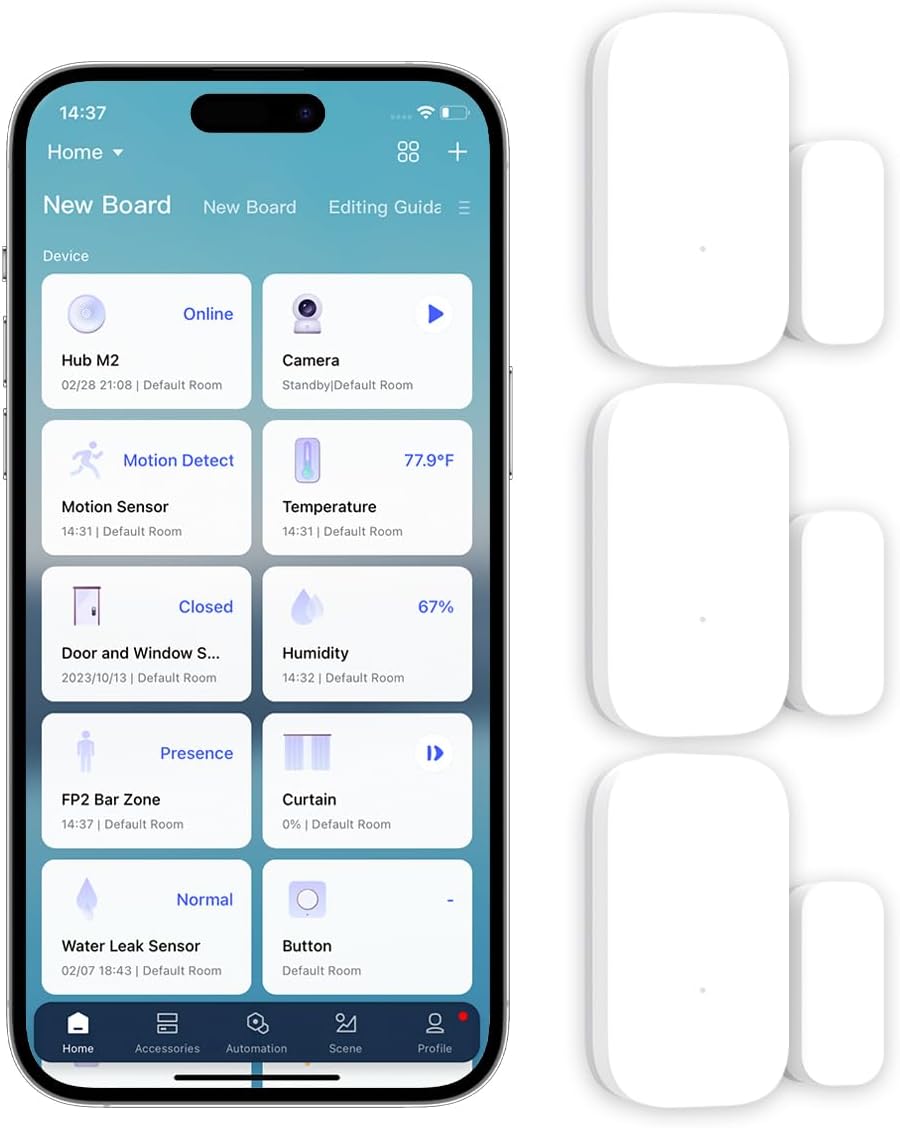
Aqara Door and Window Sensor T1 Review: Know When Things Open and Close
Aqara Door/Window Sensor T1 delivers reliable open/close detection with 2-year battery life at ¥69 — an essential buildi
Aqara Hub M3 Matter Controller Review: Multi-Protocol Smart Home Hub With 2,000+ Reviews
Aqara Hub M3 Matter Controller has 2,000+ reviews on JD at 4.4/5, priced at ¥399 ($55). Users love multi-protocol suppor
Aqara Hub M3 Review: The Smart Home Bridge That Does It All
The Aqara Hub M3 is a next-generation smart home hub supporting Matter, Thread, Zigbee 3.0, and Bluetooth, bridging Aqar

Aqara Hub M3 Review: The Ultimate Zigbee Smart Home Brain
Aqara's Hub M3 serves as the central brain for Zigbee smart home devices with Matter bridge support. We review this esse