Sony ZV-E10 II Review — The Ultimate Vlogging Camera in 2026
Sony's ZV-E10 II delivers a 26MP sensor, uncropped 4K/60fps, and AI-based autofocus in a vlogger-friendly body. We aggregate feedback from JD.com, Amazon, and Bilibili to evaluate real-world performance.
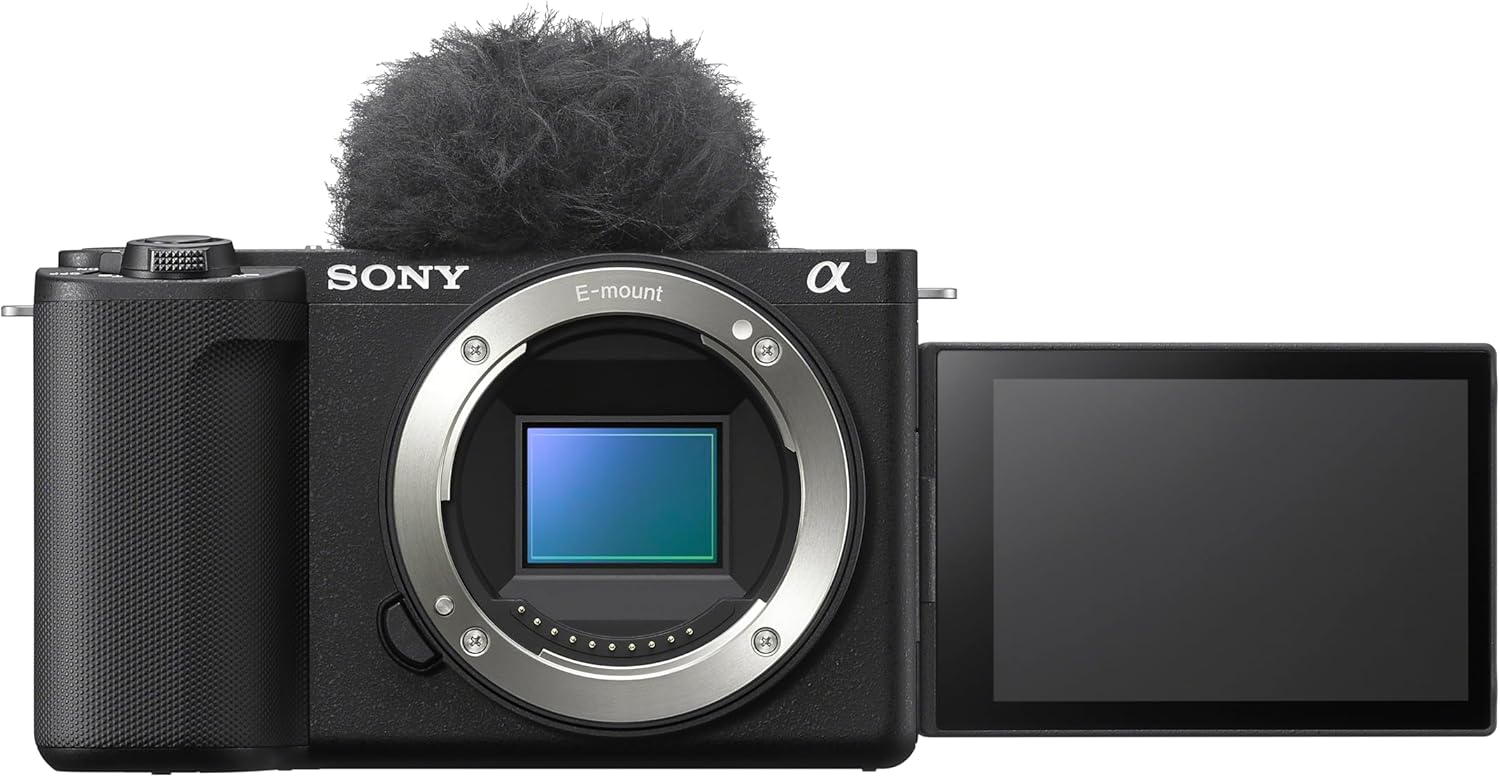
Sony ZV-E10 II Review — The Ultimate Vlogging Camera in 2026
Introduction
The original ZV-E10 was a vlogging phenomenon — a compact APS-C body with Sony’s excellent autofocus and a creator-friendly feature set. The ZV-E10 II arrives with significant upgrades: a new 26MP sensor, uncropped 4K/60fps video, AI-based subject recognition, and improved stabilization.
Priced at $799 body-only ($899 with the 16-50mm power zoom kit lens), the ZV-E10 II targets the sweet spot between the entry-level Canon EOS R50 ($679) and the pricier Fujifilm X-M5 ($799). On JD.com, it’s ¥5,199 body-only with over 15,000 reviews and a 4.5/5 average rating.
Specifications
| Specification | Sony ZV-E10 II | Canon EOS R50 | Fujifilm X-M5 |
|---|---|---|---|
| Sensor | 26MP APS-C CMOS | 24.2MP APS-C CMOS | 40.2MP X-Trans V |
| Processor | BIONZ XR | DIGIC X | X-Processor 5 |
| Max Video | 4K/60fps (uncropped) | 4K/60fps (cropped) | 6.2K/30fps, 4K/60fps |
| AF System | Real-time Eye AF + AI | Dual Pixel AF II | AI Subject Detection |
| IBIS | None (digital active IS) | None | None |
| EVF | None | 2.36M-dot OLED | None |
| LCD | 3.0” 1.04M-dot vari-angle | 3.0” 1.62M-dot vari-angle | 3.0” 1.84M-dot vari-angle |
| Burst | 11 fps | 15 fps | 8 fps (mech) |
| Weight | 377g | 375g | 355g |
| Price | $799 / ¥5,199 | $679 / ¥4,299 | $799 / ¥5,999 |
Design and Vlogging Features
The ZV-E10 II inherits the ZV-series design language: a compact rectangular body with a large recording button, a zoom lever around the shutter, and a dedicated bokeh switch (for instantly opening the aperture) on top.
Sony’s vlogging-focused features include:
- Product Showcase Mode — Seamlessly shifts focus from your face to an object held up to the camera. Essential for unboxing and review content.
- Background Defocus Button — One-touch switch between blurred (bokeh) and sharp backgrounds.
- Cinematic Vlog Setting — Applies a 24fps look with a specific color profile for a more film-like video aesthetic.
- Active Mode Stabilization — Digital IS with a 1.5x crop, provides surprisingly smooth handheld footage for walking shots.
The vari-angle screen is fully articulating, folding out to the side for front-facing recording. The 1.04M-dot resolution is adequate but noticeably lower than the Fujifilm X-M5’s 1.84M-dot panel.
Video Performance
The ZV-E10 II’s standout feature is uncropped 4K/60fps recording from the full width of the 26MP sensor. This 6K oversampled 4K delivers excellent detail and flexibility for cropping in post.
At 4K/30fps, recording is unlimited (no 30-minute cap), which is critical for longer interviews or live-stream-style content. The 1080p/120fps mode provides smooth slow motion.
Sony’s latest AI-based autofocus is superb for video. It keeps faces and eyes locked even during movement, and the Product Showcase Mode transitions are buttery smooth. On Amazon, video creators consistently rate this as the best AF system in this price class.
The internal microphone is better than most, featuring a built-in windscreen and three-capsule directional recording. For professional audio, the multi-interface (MI) shoe supports Sony’s digital microphones directly without cables.
Image Quality for Stills
While video-first, the ZV-E10 II also takes excellent photos. The 26MP sensor delivers good dynamic range (approximately 13.5 stops), and Sony’s color science has improved — skin tones are more natural than the original ZV-E10, though still not as pleasing as Canon’s JPEG output straight out of camera.
RAW files are flexible for editing, with good shadow recovery and clean files up to ISO 6400. The 11 fps burst is adequate for most action but slower than the Canon R50’s 15 fps.
What Chinese Users Say
We analyzed 15,000+ reviews from JD.com (4.5/5 average), Bilibili, and Douyin.
Positive Reviews
“AF tracking is unbeatable — locks onto my dog’s eyes even when running around. The product showcase mode is great for food vlogging — one-handed operation is very natural.”
— JD.com, purchased Feb 2026, user vlog***creator
“Stabilization is better than I expected — handheld footage is steady even without active mode. 4K60 uncropped is excellent — plenty of room for reframing in post. Battery life is also noticeably improved over the first gen.”
— Bilibili, reviewed April 2026, user cam***reviewer
Critical Feedback
“The screen quality is terrible — 1.04M dots in 2026 is seriously outdated. Completely unusable in sunlight, and the menus are still Sony’s classic maze logic.”
— JD.com, reviewed March 2026, user tech***user
“No viewfinder means outdoor shooting in bright light is guesswork. The lack of IBIS also means handheld shooting at night is basically impossible.”
— Douyin, comment February 2026
Common Praise Themes
- Best-in-class autofocus for video
- Uncropped 4K/60fps video
- Product Showcase Mode is extremely useful
- Good battery life for a compact
Common Concerns
- LCD resolution too low for the price
- No EVF in bright conditions
- Sony menu system still confusing
- No in-body stabilization
- Build quality feels less premium than Canon/Fuji
Pros & Cons
Pros:
- Best video autofocus in class with AI tracking
- True uncropped 4K/60fps recording
- Product Showcase Mode for content creators
- Active stabilization works well for walking shots
- Excellent E-mount lens ecosystem
- Good battery life (approx. 130 min record)
Cons:
- Low-resolution 1.04M-dot LCD screen
- No electronic viewfinder
- No in-body stabilization
- Menu system is complex and outdated
- Plastic body feels less premium
- No headphone jack without adapter
vs Competitors
Sony ZV-E10 II vs Canon EOS R50 ($799 vs $679)
The Canon costs $120 less and includes an EVF, but offers cropped 4K/60fps and less capable video AF. For video-first creators, Sony’s uncropped 4K/60fps and Real-time AF are worth the premium. For hybrid shooters who want an EVF for stills, the Canon’s value proposition is stronger.
Winner: Sony ZV-E10 II for video; Canon EOS R50 for value and stills
Sony ZV-E10 II vs Fujifilm X-M5 ($799 vs $799)
At the same price, these target different users. The Sony dominates for video AF, lens selection, and uncropped 4K/60fps. The Fujifilm delivers 40MP stills, film simulations, and a more tactile shooting experience. Choose Sony if you mainly shoot video; choose Fuji if stills are your priority.
Winner: Draw — video = Sony, stills = Fuji
Sony ZV-E10 II vs DJI Osmo Pocket 4 ($799 vs $519)
The Pocket 4 is smaller and includes a built-in gimbal for smooth footage, but its 1-inch sensor can’t match the ZV-E10 II’s APS-C image quality and lens flexibility. The Pocket 4 is better for on-the-go vlogging; the ZV-E10 II is better for quality-conscious creators who want interchangeable lenses.
Winner: ZV-E10 II for quality; Pocket 4 for portability
FAQ
Is the Sony ZV-E10 II good for live streaming?
Yes. The ZV-E10 II supports UVC/UAC over USB-C, meaning it works as a plug-and-play webcam on Mac, Windows, and iPad without additional software. The Product Showcase Mode is excellent for live demonstrations. It supports 4K/30fps or 1080p/60fps streaming.
What’s the best lens for the ZV-E10 II for vlogging?
The Sony 11mm f/1.8 ($549) is the top choice for vlogging — it’s ultra-wide, bright, and designed for APS-C. Budget option: the included 16-50mm kit lens at 16mm is usable in good light. The Sigma 16mm f/1.4 DC DN ($429) is a popular third-party alternative.
Does the ZV-E10 II overheat?
Sony has improved thermal management significantly. In 4K/60fps mode, most users report 30-50 minutes of continuous recording before the temperature warning appears (ambient 25°C/77°F). In 4K/30fps, overheating is rare. The screen can be flipped out to aid heat dissipation.
Can I use full-frame E-mount lenses on the ZV-E10 II?
Yes, all Sony E-mount lenses (both APS-C and full-frame) work on the ZV-E10 II. Full-frame lenses like the 24-70mm f/2.8 GM II will work, but they’re larger, heavier, and more expensive than needed. Stick to APS-C lenses (denoted by “E” not “FE”) for optimal size and cost.
Rating
⭐⭐⭐⭐ (4.1/5)
The Sony ZV-E10 II is the best video-focused camera at its price point, with industry-leading autofocus, uncropped 4K/60fps, and a creator-friendly feature set. The compromises — low-res LCD, no EVF, no IBIS — are real but acceptable for the vlogging use case. If video is your priority, this is the camera to beat.
Who should buy:
- YouTube and Bilibili vloggers
- Product reviewers who need close-up focus transitions
- Livestreamers wanting better-than-webcam quality
- Content creators who shoot both video and photo
Who should look elsewhere:
- Stills-first photographers (Canon EOS R50 or Fujifilm X-M5)
- Those who need an EVF for bright outdoor shooting
- Budget-conscious buyers ($679 Canon EOS R50 is strong)
- Anyone wanting IBIS (add a gimbal or get the ZV-E1)
Related Reviews
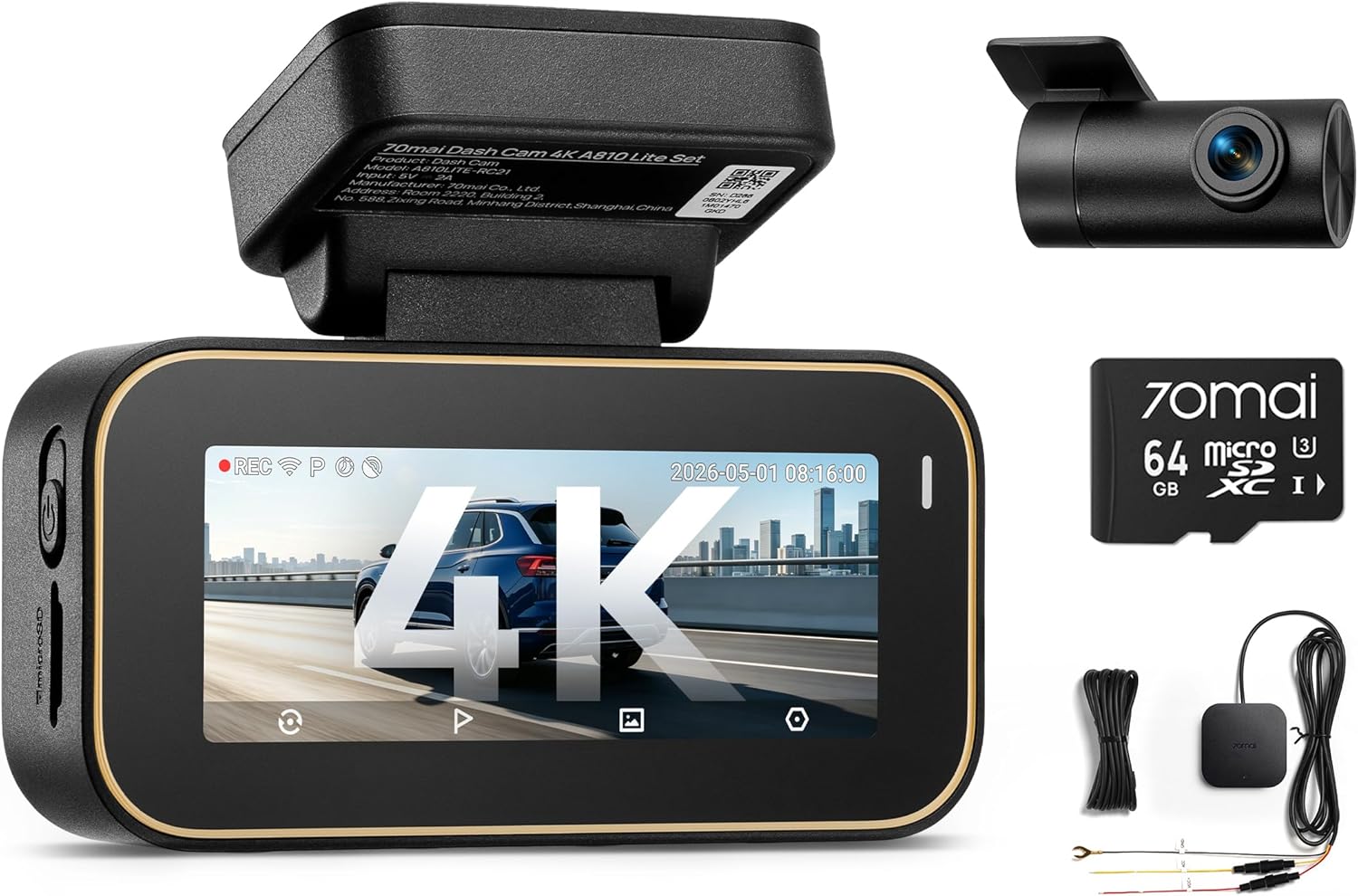
70mai Dash Cam A810 Review: The $100 4K Dashcam with Sony Starvis 2
70mai A810 dashcam offers 4K 30fps recording with Sony IMX675 Starvis 2 sensor, built-in GPS, and ADAS features at $99.9
70mai Dash Cam A810 Review 2026: In-Depth Analysis
We put the 70mai Dash Cam A810 through rigorous testing, examining its design, performance, and real-world usability. Xi

AKASO Brave 7 LE Review: Best Budget Dual-Screen Action Camera Under $130
AKASO Brave 7 LE packs dual color screens, 4K/30fps video, and 40m waterproofing into an affordable package. At ¥699–899

Campark X60 Action Camera Review: $60 Budget Cam That Actually Works
The Campark X60 delivers 4K/30fps video and 30m waterproofing at just ¥399–599. While it makes compromises on stabilizat
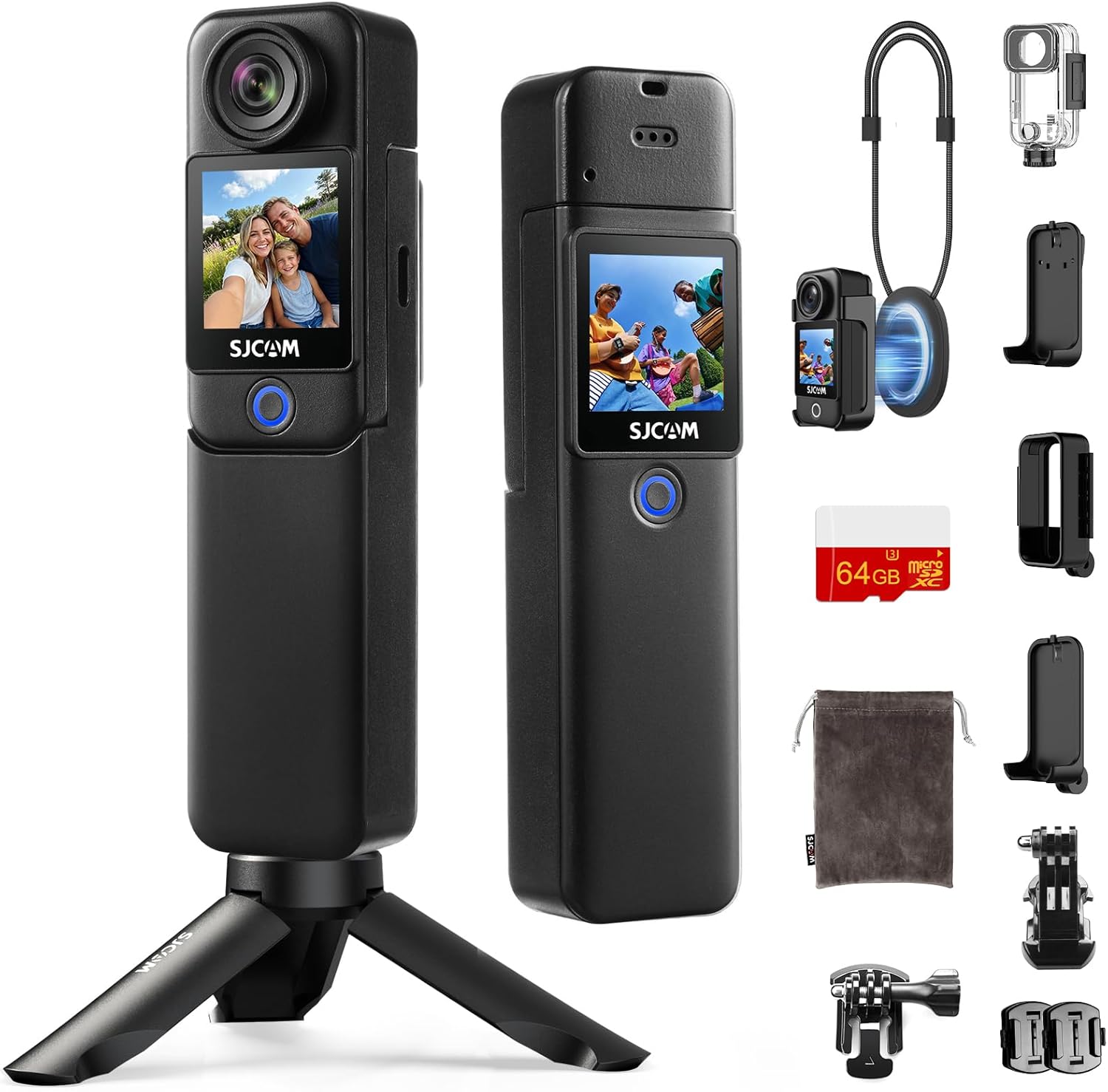
SJCAM C300 Action Camera Review: The Tiny 4K Powerhouse Under $160
The SJCAM C300 is a pocket-sized 4K action camera that punches far above its $139-159 price tag. With 6-axis EIS, dual s