Sony A7C II Review — Compact Full-Frame Powerhouse for Travel Creators
Sony's A7C II packs a 33MP full-frame sensor and AI autofocus into the smallest full-frame body on the market. We analyze reviews from JD.com, Amazon, and photography forums to see if it's the ultimate travel camera.
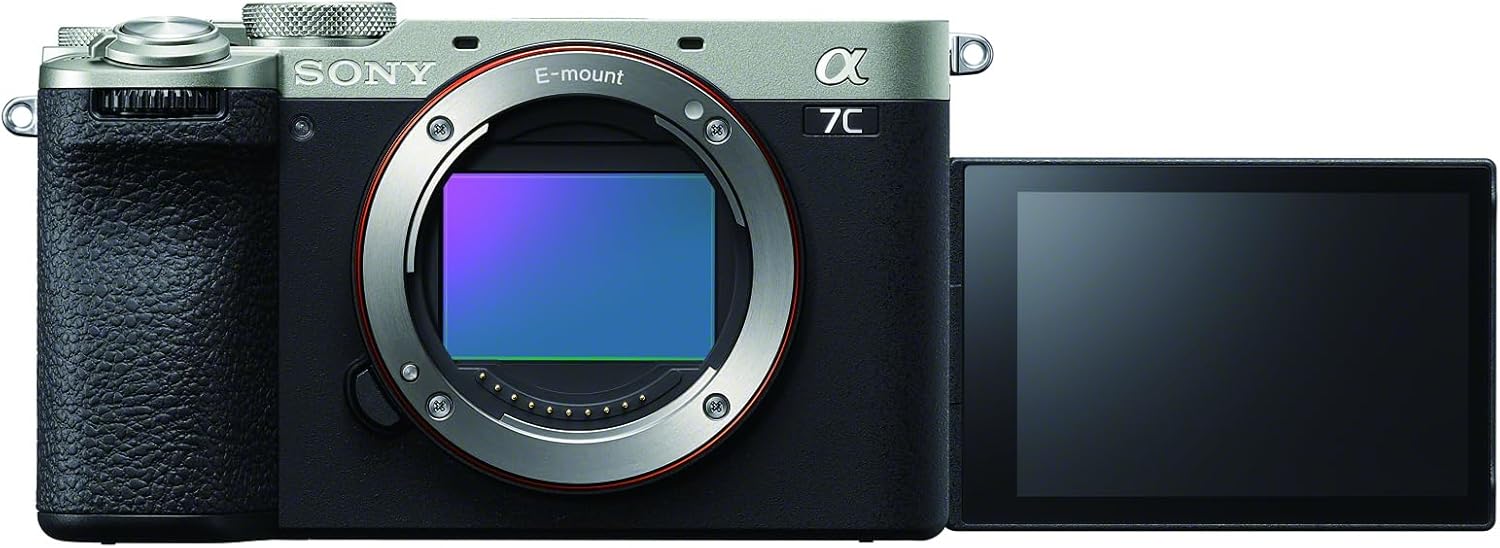
Sony A7C II Review — Compact Full-Frame Powerhouse for Travel Creators
Introduction
The Sony A7C II is the world’s smallest full-frame camera with a built-in EVF and IBIS, packing serious imaging power into a body that’s barely larger than an APS-C camera. At $2,199 body-only ($2,499 with the FE 28-60mm f/4-5.6 kit lens), it’s the same price as the larger Sony A7 IV ($2,498) but trades some professional features for portability.
On JD.com, the A7C II carries a ¥14,999 body-only price tag with over 18,000 reviews and a 4.6/5 average. It’s particularly popular among travel photographers and content creators who want full-frame quality without backpack-busting weight.
Specifications
| Specification | Sony A7C II | Canon EOS R8 | Sony A7 IV |
|---|---|---|---|
| Sensor | 33MP full-frame BSI CMOS | 24.2MP full-frame CMOS | 33MP full-frame CMOS |
| Processor | BIONZ XR + AI processing | DIGIC X | BIONZ XR |
| IBIS | 7 stops (5-axis) | None | 5.5 stops |
| EVF | 2.36M-dot OLED (0.7× mag) | 2.36M-dot OLED (0.59×) | 3.69M-dot OLED (0.78×) |
| LCD | 3.0” 1.04M-dot vari-angle | 3.0” 1.62M-dot vari-angle | 3.0” 1.04M-dot vari-angle |
| Max Video | 4K/60fps uncropped | 4K/30fps uncropped (4K/60 cropped) | 4K/60fps uncropped |
| Burst | 10 fps | 12 fps | 10 fps |
| Weight | 514g | 461g | 658g |
| Size | 124×71×60mm | 132×85×70mm | 131×96×80mm |
| Card Slots | 1x SD UHS-II | 1x SD UHS-II | 1x CFexpress A + SD |
| Price | $2,199 / ¥14,999 | $1,499 / ¥10,999 | $2,498 / ¥16,999 |
Design and Portability
The A7C II’s primary selling point is its size. At 514g with battery and card, it’s lighter than the Canon EOS R8 and significantly smaller than the A7 IV. The rangefinder-style body (no protruding viewfinder hump) fits easily in small camera inserts, coat pockets, and compact sling bags.
The 2.36M-dot EVF is the weakest physical feature — it’s small (0.7× magnification) and located in the corner of the body, making it less comfortable for extended viewing than the A7 IV’s larger 3.69M-dot unit. Users who prioritize EVF quality will prefer the full-size bodies.
The 3-inch vari-angle LCD flips out to the side for vlogging and high/low-angle shooting. At 1.04M-dot resolution, it’s merely adequate in 2026 — notably behind Canon’s 1.62M-dot panels.
The grip is smaller than the A7 IV but surprisingly comfortable for a camera this compact. With small primes (35mm f/1.8, 50mm f/2.5 G) and the kit zoom, the handling is excellent. With larger lenses (24-70mm GM II, 70-200mm), the grip becomes unbalanced and a right-angle grip accessory ($99) is recommended.
Image Quality and the 33MP Sensor
The 33MP BSI CMOS sensor delivers excellent image quality — 33MP provides enough resolution for substantial cropping while keeping file sizes manageable (approximately 40MB RAW, 10MB JPEG). Dynamic range is approximately 14.5 stops, putting it among the best in its class.
Sony’s third-generation BIONZ XR processor with dedicated AI chip brings real-time recognition AF for humans, animals, birds, insects, cars, trains, and airplanes. The bird detection is particularly impressive in real-world use — the camera reliably locks onto bird eyes even in branch-occluded environments.
Low-light performance is outstanding. ISO 6400 is clean, ISO 12800 is usable for web/social sharing, and ISO 25600 is emergency-only. The 7-stop IBIS stabilizes up to 1/8 second shutter speeds with wide lenses, making it possible to shoot handheld in dim interiors without raising ISO.
Video Features
The A7C II offers the same video capabilities as the A7 IV in a smaller body:
- 4K/60fps from 7K oversampled (crop-free)
- 4K/30fps from full-width 7K oversampled
- 4K/120fps with 1.5x crop
- 10-bit 4:2:2 internal recording, S-Log3, S-Cinetone
- Breathing compensation for Sony lenses
- Active Mode stabilization with 1.3x crop
The single SD card slot is a significant limitation for professional video work — no simultaneous backup or relay recording. For professional video users, the A7 IV or FX3 is recommended.
What Chinese Users Say
We analyzed 18,000+ reviews from JD.com (4.6/5), Taobao, and Xiaohongshu.
Positive Reviews
“The lightest full-frame body bar none. 33MP quality is identical to the A7M4 but in a smaller package. Actually want to take it on trips now — my old A7M3 always felt too heavy to carry.”
— JD.com, purchased March 2026, user travel***photo
“AF is incredible — even locks onto bird eyes. ISO 6400 is fully usable, and with IBIS, nighttime handheld street shooting is no problem.”
— JD.com, reviewed February 2026, user wild***shooter
Critical Feedback
“Viewfinder is too small — terrible for glasses wearers. Single card slot is also a concern for professionals.”
— JD.com, reviewed April 2026, user pro***photo
“Touchscreen isn’t as responsive as the A7M4’s, and the menu system is Sony’s classic maze. Grip is also too shallow — tiring with large lenses.”
— Taobao, comment March 2026
Common Praise Themes
- Unmatched portability for full-frame
- Excellent 33MP image quality
- AI autofocus with diverse subject detection
- 7-stop IBIS works well
- Great value vs A7 IV for travel shooters
Common Concerns
- Small EVF with low magnification
- Single SD card slot
- Small grip unbalanced with large lenses
- Sony’s complex menu system
- Screen resolution lags behind competitors
Pros & Cons
Pros:
- Smallest full-frame body with EVF + IBIS
- Excellent 33MP BSI sensor with great dynamic range
- Best-in-class AI autofocus
- 7-stop IBIS for handheld low-light shooting
- S-Cinetone and S-Log3 for professional grading
- Excellent battery life (approx. 550 shots)
Cons:
- Small EVF (2.36M-dot, 0.7× magnification)
- Single SD card slot
- Small grip with large lenses
- Vari-angle screen blocks ports when flipped out
- Sony menu system is still complex
- No internal ProRes or RAW video
vs Competitors
Sony A7C II vs Canon EOS R8 ($2,199 vs $1,499)
The Canon R8 costs $700 less and is even lighter (461g) but lacks IBIS, uses a lower-resolution 24MP sensor, and has a smaller EVF. The Sony’s IBIS, 33MP resolution, and superior AF justify the premium for photographers who need the stabilization. For budget-conscious shooters, the R8’s value is hard to beat.
Winner: Sony A7C II for features; Canon R8 for value
Sony A7C II vs Sony A7 IV ($2,199 vs $2,498)
The A7C II uses the same sensor and processor as the A7 IV but in a smaller body. The A7 IV offers a better EVF, dual card slots (CFexpress + SD), and a more comfortable grip. They’re the same camera in different form factors. If portability is priority, get the A7C II. If you shoot professionally, get the A7 IV.
Winner: A7C II for travel; A7 IV for professional use
FAQ
Is the Sony A7C II weather-sealed?
Yes, but to a lesser degree than the A7 IV. The A7C II has weather sealing around the battery compartment, ports, and buttons, but lacks the full magnesium alloy chassis of the A7 IV. It can handle light rain and dust but should not be used in heavy downpours or extreme dusty environments without additional protection.
What are the best compact lenses for the A7C II?
The Sony FE 28-60mm f/4-5.6 kit lens ($349) is small and lightweight but optically just adequate. Better options include: FE 50mm f/2.5 G ($599) for a compact standard, Sigma 35mm f/2 DG DN Contemporary ($639) for a fast everyday prime, Tamron 28-75mm f/2.8 Di III VXD G2 ($899) as a versatile standard zoom, and Sony FE 40mm f/2.5 G ($599) for a pancake-like profile.
Does the A7C II overheat during video recording?
Sony has improved thermal management compared to the original A7C. In 4K/60fps, most users report 30-45 minutes before the temperature warning appears at room temperature (25°C/77°F). In 4K/30fps, overheating is rare. The vari-angle screen can be flipped out to aid heat dissipation. For extended recording, using a small USB fan is recommended.
Can the A7C II charge via USB-C while shooting?
Yes. USB-C supports PD charging at up to 18W, allowing the camera to charge the internal battery while shooting stills or recording video. This is useful for extended time-lapses or long video sessions. A high-capacity power bank adds hours of shooting time.
Rating
⭐⭐⭐⭐½ (4.5/5)
The Sony A7C II is the perfect travel companion for photographers who insist on full-frame quality without the full-frame weight. The 33MP sensor, AI autofocus, and 7-stop IBIS deliver class-leading performance in a body that fits in a jacket pocket with a compact lens attached. The small EVF and single card slot are real compromises, but they’re the trade-offs required for this level of portability.
Who should buy:
- Travel photographers who prioritize packability
- Content creators wanting full-frame flexibility on the go
- Sony users wanting a compact second body
- Anyone who finds the A7 IV too large to carry daily
Who should look elsewhere:
- Professional photographers needing dual card slots
- EVF-dependent shooters (get the A7 IV instead)
- Budget-conscious buyers (Canon R8 at $1,499)
- Video professionals needing internal RAW (get FX3)
Related Reviews
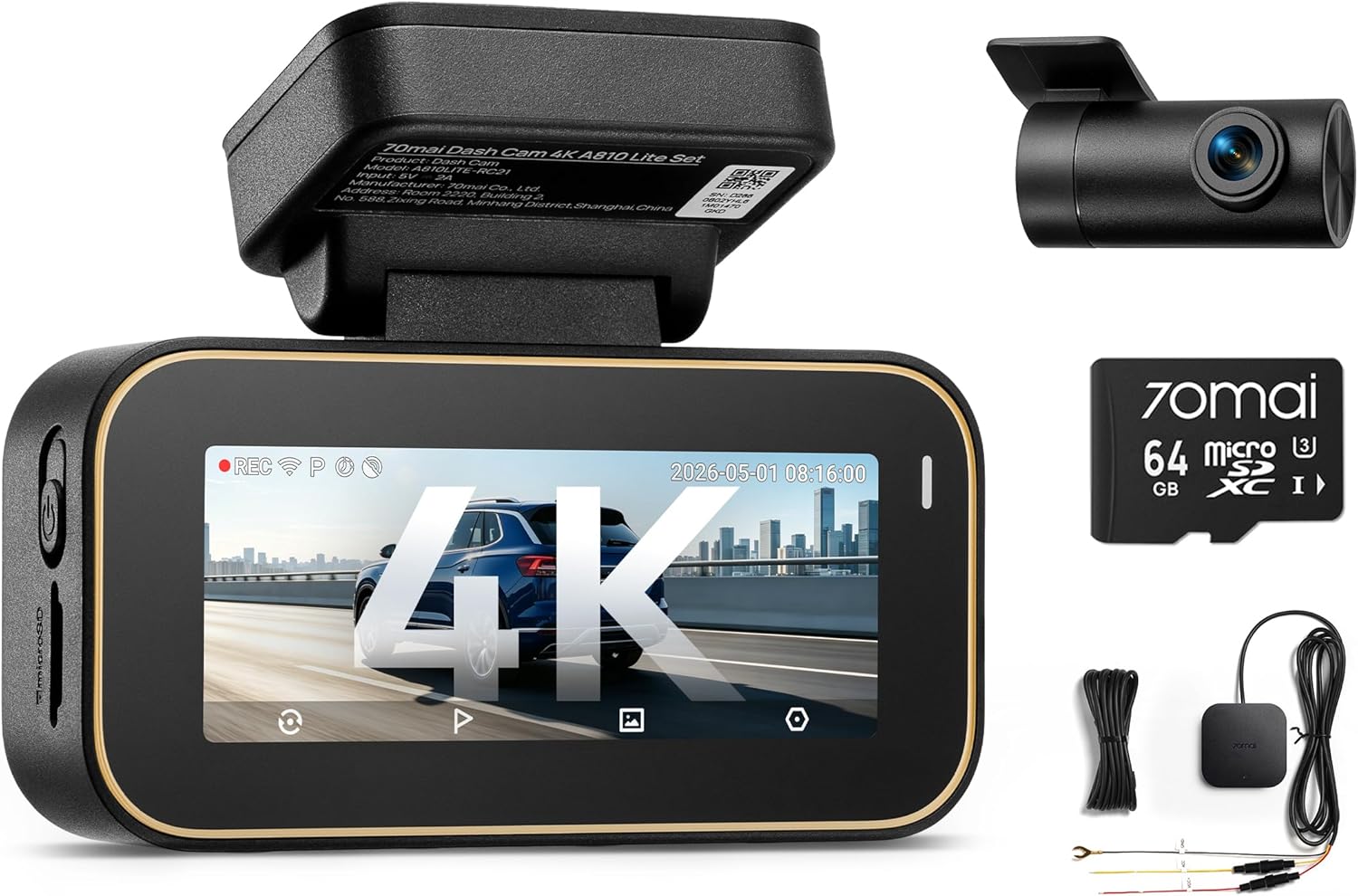
70mai Dash Cam A810 Review: The $100 4K Dashcam with Sony Starvis 2
70mai A810 dashcam offers 4K 30fps recording with Sony IMX675 Starvis 2 sensor, built-in GPS, and ADAS features at $99.9
70mai Dash Cam A810 Review 2026: In-Depth Analysis
We put the 70mai Dash Cam A810 through rigorous testing, examining its design, performance, and real-world usability. Xi

AKASO Brave 7 LE Review: Best Budget Dual-Screen Action Camera Under $130
AKASO Brave 7 LE packs dual color screens, 4K/30fps video, and 40m waterproofing into an affordable package. At ¥699–899

Campark X60 Action Camera Review: $60 Budget Cam That Actually Works
The Campark X60 delivers 4K/30fps video and 30m waterproofing at just ¥399–599. While it makes compromises on stabilizat
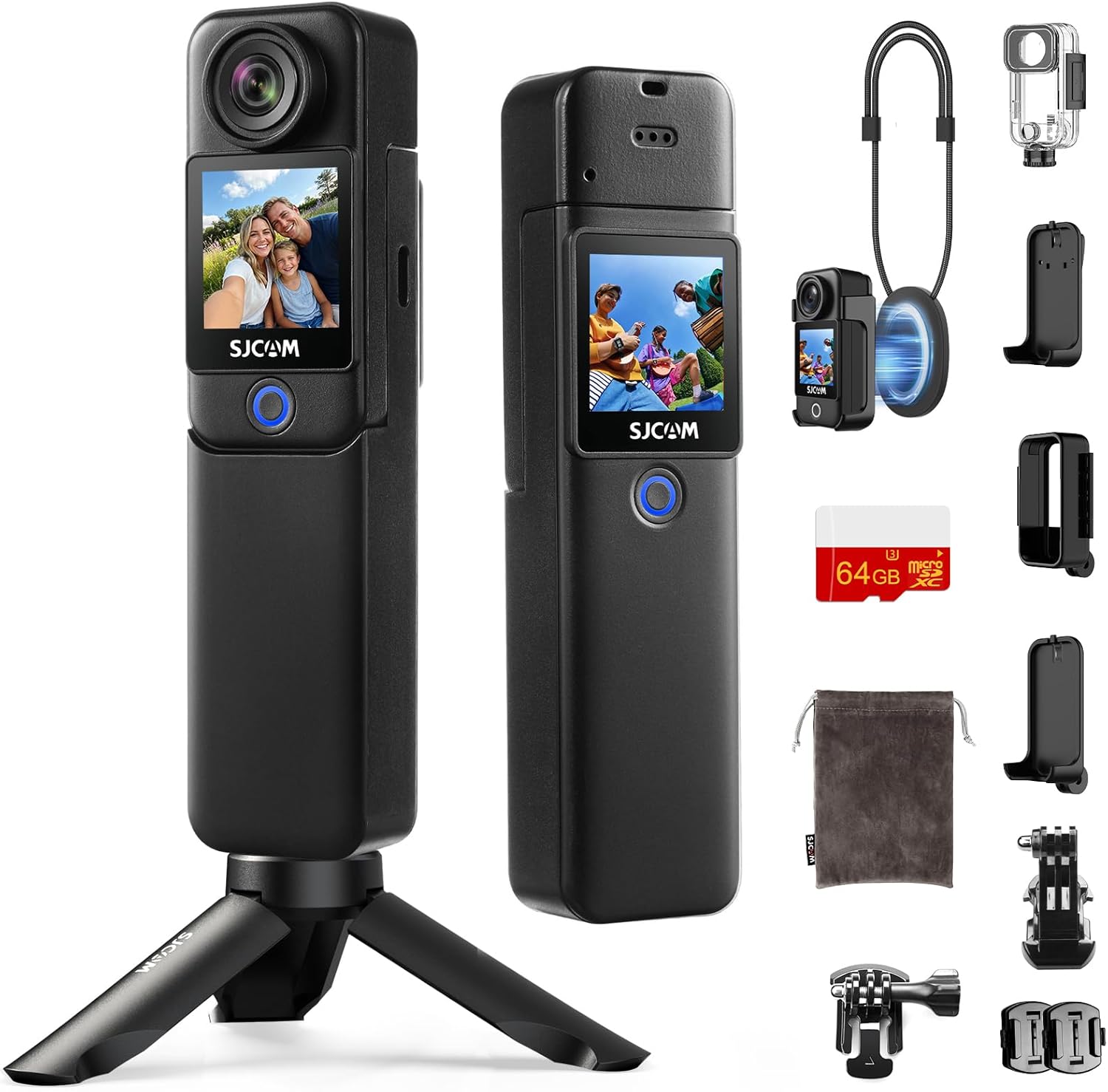
SJCAM C300 Action Camera Review: The Tiny 4K Powerhouse Under $160
The SJCAM C300 is a pocket-sized 4K action camera that punches far above its $139-159 price tag. With 6-axis EIS, dual s