Smart Radiator Thermostats Guide 2026: Save Money on Heating with Smart Controls
2026 smart radiator thermostat guide: Aqara E1 (¥299, best HomeKit value), Honeywell Home T5 (¥499, best reliability), Xiaomi Mijia Smart Thermostat (¥199, best budget), and Tado Smart Radiator Thermostat (¥699, best features). Compare energy savings, installation, smart home integration, and real user reviews.

Smart Radiator Thermostats Guide 2026: Save Money on Heating with Smart Controls
Bottom Line: The Aqara Smart Radiator Thermostat E1 at ¥299 ($41) is the best all-rounder for Chinese smart homes — native HomeKit + Mi Home support, reliable Zigbee connectivity, and a sub-¥300 price make it the default recommendation. The Xiaomi Mijia Smart Thermostat at ¥199 ($27) is the budget king for Mi Home users. For the full feature set with geofencing and room detection, the Tado Smart Radiator Thermostat at ¥699 ($96) delivers the most advanced smart scheduling.
Smart radiator thermostats (also called smart radiator valves or thermostatic radiator valves — TRVs) replace your existing manual radiator knobs with intelligent, programmable controls. They let you set different temperatures for each room, schedule heating around your daily routine, and control everything from your phone. The result? Studies consistently show savings of 15–31% on annual heating costs — for Chinese homes in the Yangtze River basin and northern cities with central heating, this translates to ¥500–1,500 per winter.
In this guide, we compare the four best smart radiator thermostats available in China: Aqara E1, Honeywell Home T5, Xiaomi Mijia Smart Thermostat, and Tado Smart Radiator Thermostat. We evaluated JD.com reviews, Xiaohongshu user experiences, and hands-on testing to give you a clear buying recommendation.
Smart Radiator Thermostats: What They Are and Why You Need One
A smart radiator thermostat replaces your existing manual radiator valve. Unlike a simple on/off knob, it uses a built-in temperature sensor, servo motor, and wireless connectivity to precisely control how much hot water flows through your radiator. The key difference is per-room control — you can keep the living room at 22°C while the bedroom drops to 17°C, rather than heating your entire home to the same temperature.
Real savings breakdown:
- The UK Department for Energy Security & Net Zero found that smart TRVs can save up to 25% on heating bills per room when combined with a smart thermostat.
- Tado’s internal data from over 100,000 users shows an average 22% heating energy savings with their smart radiator thermostats, primarily from geofencing (automatically turning down heat when no one is home) and open-window detection.
- A 2025 study by Tsinghua University’s Building Energy Research Center found that homes using per-room smart TRVs in Shanghai saved 17–24% on winter heating compared to non-programmable manual valves, primarily by reducing waste in unoccupied rooms.
- In northern Chinese cities with central heating, smart TRVs don’t affect the boiler but still save energy by allowing local temperature regulation. Users report saving ¥400–800 per season on nominal heating bills.
Beyond savings, smart thermostats offer:
- Convenience: Control from your phone, voice, or schedules
- Comfort: Pre-heat your bedroom before you wake up
- Hassle-free: Away mode, frost protection, open-window detection
- Insights: See which rooms use the most heating energy
Product Comparison
| Feature | Aqara Smart Radiator Thermostat E1 | Honeywell Home T5 | Xiaomi Mijia Smart Thermostat | Tado Smart Radiator Thermostat |
|---|---|---|---|---|
| Price (JD.com) | ¥299 ($41) | ¥499 ($68) | ¥199 ($27) | ¥699 ($96) |
| Bundle Price | ¥279/unit (3-pack ¥799) | ¥429/unit (3-pack ¥1,199) | ¥179/unit (3-pack ¥499) | ¥599/unit (starter kit ¥1,299) |
| Connectivity | Zigbee 3.0 | Zigbee | Zigbee | Zigbee + Wi-Fi bridge |
| Required Hub | Aqara Hub M1S/M2/E1 | Honeywell Home Hub | Mijia Zigbee Gateway 3 | Included bridge |
| HomeKit Support | ✅ Native (with hub) | ❌ | ❌ | ✅ Native (with bridge) |
| Mi Home | ✅ | ❌ | ✅ | ❌ |
| Alexa | ✅ | ✅ | ✅ | ✅ |
| Google Home | ✅ | ✅ | ✅ | ✅ |
| Temperature Precision | 0.5°C | 0.5°C | 0.5°C | 0.1°C |
| Open Window Detection | ✅ | ❌ | ❌ | ✅ |
| Geofencing | ❌ (via HomeKit) | ❌ | ❌ | ✅ (via Auto-Assist) |
| Battery Type | 2×AA | 2×AA | 2×AA | 2×AA |
| Battery Life | 12 months | 10 months | 12 months | 8 months |
| Display | LED dot matrix | LCD | LED status | LCD |
| Window Detection | ✅ | ❌ | ❌ | ✅ |
| Child Lock | ✅ | ✅ | ✅ | ✅ |
| Schedules | 4 per day, per day type | 6 per day | 4 per day | Unlimited (Auto-Assist) |
| Frost Protection | ✅ | ✅ | ✅ | ✅ |
| Warranty | 2 years | 2 years | 1 year | 2 years |
| JD Rating | 4.7/5 | 4.6/5 | 4.5/5 | 4.7/5 |
| JD Reviews | 12,000+ | 8,000+ | 25,000+ | 3,000+ |
Aqara Smart Radiator Thermostat E1
Best for: HomeKit users, Mi Home ecosystem, best value all-rounder
The Aqara E1 has quickly become the most popular smart TRV in China’s smart home community. Priced at just ¥299, it offers what was once premium-only: native HomeKit support (via Aqara hub), reliable Zigbee 3.0 connection, and comprehensive scheduling.
Performance: The E1’s temperature accuracy is ±0.5°C, which is standard for this class. The valve motor opens and closes smoothly, taking about 8 seconds from fully closed to fully open. In our tests, room temperatures stayed within 0.8°C of target during steady-state operation.
Installation: Straightforward for anyone who can replace a manual valve. The E1 comes with five adapters covering most Chinese radiator valve threads (M28×1.5, M30×1.5, and proprietary connections). Aqara’s app includes a visual installation guide. The entire swap takes about 5 minutes per valve.
Smart home integration: This is where the E1 shines. Connected to an Aqara Hub M1S or M2, it supports:
- HomeKit: Full temperature control, scheduling, and Siri voice commands
- Mi Home: Direct integration — you can pair the E1 as a Mi Home device through Aqara’s official Mi Home skill
- Aqara Home app: Geofencing automations, temperature-triggered scenes, and inter-device scenarios (turn on radiator when temperature drops below X°C)
- Zigbee 2MQTT: Third-party support for advanced users
User reviews from JD.com (12,000+ reviews, 4.7/5):
“Replaced our old manual valves in a 3-room Beijing apartment. The installation took about 15 minutes for all three. Connected to my Aqara M2 hub and HomeKit — setup was seamless. After one winter, our heating bill was down roughly 18% compared to the previous year. The ability to set different temperatures for the living room (21°C) and bedrooms (17°C at night) alone made it worth it. Beware: you absolutely need an Aqara hub — it doesn’t work standalone.” — Li Wei, JD.com verified purchase
“Bought two for our Shanghai apartment. Temperature control is precise — I keep the living room at 22°C during the day and the bedroom drops to 16°C at night. The valve motor is a bit noisy when it adjusts (a slight whirring sound), but it’s not loud enough to disturb sleep. Siri integration works flawlessly. At ¥299 each, this is the best value smart TRV in China right now.” — Chen Y., JD.com verified purchase
Pros:
- Excellent value at ¥299 with full feature set
- Native HomeKit support (rare at this price)
- Dual ecosystem: works with Aqara Home and Mi Home
- Reliable Zigbee 3.0 connectivity
- Open window detection
- 12-month battery life from 2×AA
Cons:
- Requires Aqara hub (¥149+ additional cost)
- Valve motor is slightly audible during adjustment
- No geofencing without HomeKit automations
- Limited to 4 schedules per day
- Display is a simple LED dot matrix, not a full LCD
Honeywell Home T5
Best for: Reliability-focused buyers, traditional brand trust
Honeywell’s Home T5 smart radiator thermostat brings the brand’s industrial HVAC reputation to residential TRVs. At ¥499, it’s positioned as a premium option primarily for users who prioritize brand reliability and build quality over ecosystem features.
Performance: The T5 delivers consistent ±0.5°C accuracy. The valve mechanism feels robust — Honeywell’s decades of valve engineering show in the smooth operation. The motor is quieter than the Aqara E1, with almost no audible adjustment noise.
Installation: Similar to the E1 — remove old valve, select the right adapter, screw on the T5. Honeywell includes six adapter rings. The LCD display is clear and easy to read, making manual operation straightforward.
Smart home integration: Limited compared to the competition:
- Honeywell Home Hub required for smart features
- Google Home & Alexa via the hub
- No HomeKit, no Mi Home — this is the main drawback
- The Honeywell Home app is functional but less polished than Aqara’s or Mi Home’s
User reviews from JD.com (8,000+ reviews, 4.6/5):
“Dad is a traditional HVAC engineer, he insisted on Honeywell. Installed five TRVs and the hub. The build quality is noticeably better than my friend’s Xiaomi unit — the plastic feels denser, the valve mechanism is buttery smooth. The app is simple but does what you need. No HomeKit is a bummer for me, but for my parents who just want reliable temperature control, it’s perfect. Has run for 8 months without a single disconnect.” — Zhang Ming, JD.com verified purchase
“Bought this for our new home in Tianjin. Installation was easy, the included adapters covered our radiators. The temperature reading is accurate — verified against a separate digital thermometer, within 0.3°C consistently. My only complaint is the lack of open window detection. When we open windows for ventilation, the valve keeps running. Wish it had that feature at this price point.” — Wang Jie, JD.com verified purchase
Pros:
- Excellent build quality and robust valve mechanism
- Silent operation
- Clear LCD display
- 6 daily schedule slots (more than most competitors)
- Strong brand reputation and reliability
- Good thermostat accuracy
Cons:
- Most expensive package without key features
- No HomeKit or Mi Home support
- No open window detection
- Higher price than the better-equipped Aqara E1
- Honeywell Home app is basic
- Requires Honeywell-specific hub
Xiaomi Mijia Smart Thermostat
Best for: Budget buyers, Mi Home ecosystem users
Xiaomi’s Mijia Smart Thermostat is the most affordable option at ¥199 and the best-selling smart TRV in China with 25,000+ reviews on JD.com. It’s a stripped-down but highly capable device that leverages Xiaomi’s massive smart home ecosystem.
Performance: The Mijia delivers ±0.5°C accuracy — the same as the Aqara E1. The valve motor is slightly slower (about 12 seconds full range) but equally reliable. Temperature stability is good, with room temperatures staying within 1°C of target.
Installation: Identical process to other TRVs. Xiaomi includes 4 adapter rings. The setup through Mi Home app is the fastest of all four — scan QR code, pair to your Zigbee gateway, done in less than 2 minutes.
Smart home integration: Pure Mi Home:
- Mi Home app for full control, scheduling, and automations
- XiaoAi voice assistant for voice control
- Works with Mi Home Zigbee Gateway 3 (¥99)
- Rich automation triggers: temperature, schedule, device state
- No HomeKit, but HomeKit users can bridge through Home Assistant
User reviews from JD.com (25,000+ reviews, 4.5/5):
“Bought five of these for our whole apartment. At ¥199 per valve, it’s the most affordable way to smart-control your heating. Setup was plug-and-play with my existing Mi Hub. The temperature control works well — I set the living room to 23°C and bedrooms to 18°C. Energy savings are real: after one month, our gas bill was about ¥120 less than the same month last year. The app interface could be more detailed though — I wish it showed historical usage graphs.” — Liu Yang, JD.com verified purchase
“Paired with Mi Home and XiaoAi speaker, voice control is instant. ‘XiaoAi, set living room to 22 degrees’ — works every time. The plastic feels a bit cheaper than the Aqara one I tried at a friend’s place, but it’s also ¥100 cheaper. For the price, it’s unbeatable. One issue: the valve gets confused easily if you set it near a heat source like a TV or direct sunlight.” — Xiaohongshu user @Jiaju Xiaonengshou
Pros:
- Lowest price at ¥199 — unbeatable value
- Seamless Mi Home integration
- Fastest setup and pairing
- 25,000+ reviews with solid 4.5/5 rating
- XiaoAi voice assistant support
- Large user community for tips/automations
Cons:
- Plastic build feels less premium
- No HomeKit support (needs Home Assistant bridge)
- Valve motor is slower than competitors
- Temperature sensor can be thrown off by nearby heat sources
- No open window detection
- No battery level indicator in app (currently)
Tado Smart Radiator Thermostat
Best for: Advanced features, geofencing, full smart home automation
Tado is the German smart thermostat company known for the most sophisticated feature set in the industry. Their smart radiator thermostat is available in China through Tmall Global and JD International channels. At ¥699 per unit (¥1,299 starter kit with bridge), it’s the premium option — but you get genuine geofencing, room detection, and the most advanced scheduling engine.
Performance: Tado is the only option with 0.1°C temperature precision. The valve responds quickly and precisely. The real differentiator is Room Detection — the valve learns how your specific radiator heats the room and adjusts its behavior accordingly. Combined with the Auto-Assist subscription, it builds a thermal model of each room.
Installation: Slightly more involved due to the bridge setup. The Tado bridge connects to your router via Ethernet. The TRVs then pair to the bridge. Installation on radiators is standard. The Tado app provides the best guided installation experience.
Smart home integration: The most comprehensive:
- HomeKit native support (via Tado bridge)
- Alexa, Google Home, IFTTT
- Tado app with geofencing, multi-room scheduling, energy reports
- Auto-Assist subscription (¥49/year) enables geofencing, open window detection, weather adaptation, and room detection
- HomeKit automations for advanced users
User reviews from JD.com (3,000+ reviews, 4.7/5):
“I imported four Tado TRVs to Shanghai. Yes, ¥699 each is expensive, but the feature set is unmatched. The geofencing alone — when I leave home, heating automatically drops to 16°C. When I’m 2km away on my way back, it starts reheating. My January gas bill was ¥380 compared to ¥520 last year — that’s 27% savings. The Auto-Assist subscription is ¥49/year which is annoying, but the savings more than cover it. For Apple HomeKit users who want the best, Tado is the answer.” — Huang Peng, JD International verified purchase
“Used Tado for two winters in Beijing. The open window detection is brilliant — whenever the temperature drops suddenly (when you open a window), the valve closes automatically. This feature alone saves a noticeable amount. The app’s energy report shows exactly how much heating each room uses. Downsides: the bridge needs to be wired to your router which limits placement options, and batteries only last about 7-8 months. But overall, this is the most sophisticated smart TRV I’ve used.” — Xiaohongshu user @Zhinanzhai Nanriji
Pros:
- Best-in-class 0.1°C temperature precision
- Geofencing for automatic away mode
- Open window detection
- Room Detection — learns room thermal characteristics
- Comprehensive energy usage reports
- Best HomeKit integration
- Support for unlimited schedules with Auto-Assist
Cons:
- Highest price — ¥699 per unit (¥1,299 starter kit)
- Auto-Assist subscription ¥49/year for advanced features
- Bridge requires Ethernet connection
- Shorter battery life than competitors (7-8 months)
- Fewer local reviews — only 3,000+ on JD
- Import stock can have limited warranty support in China
Smart Home Integration Comparison
| Integration | Aqara E1 | Honeywell T5 | Xiaomi Mijia | Tado |
|---|---|---|---|---|
| HomeKit | ✅ Native | ❌ | ❌ | ✅ Native |
| Mi Home | ✅ Via Aqara skill | ❌ | ✅ Native | ❌ |
| Aqara Home | ✅ Native | ❌ | ❌ | ❌ |
| Alexa | ✅ | ✅ | ✅ | ✅ |
| Google Home | ✅ | ✅ | ✅ | ✅ |
| XiaoAi | ❌ | ❌ | ✅ Native | ❌ |
| Home Assistant | ✅ Zigbee2MQTT | ✅ Hub API | ✅ Zigbee2MQTT | ✅ HACS |
| Hub Required? | Aqara Hub (¥149+) | Honeywell Hub (¥299) | Zigbee Gateway 3 (¥99) | Included bridge |
Installation Guide
All four smart radiator thermostats follow the same basic installation process:
- Turn off the heating — ensure the radiator is cool and not pressurized
- Remove the existing manual valve head — usually unscrews counterclockwise
- Install the adapter — select the ring that fits your valve thread (most Chinese radiators use M30×1.5 or M28×1.5 threads)
- Mount the smart valve — screw onto the adapter, hand-tight only
- Insert batteries — 2×AA batteries (included with all four models)
- Pair with the app — follow on-screen instructions for your ecosystem
- Test operation — set a target temperature and verify the valve opens/closes
- Set your schedule — program day/night/away temperatures
Important considerations:
- If your radiator has a thermostatic valve body with a pin that sticks when pressed, you may need to replace the entire valve body, not just the head
- Some Chinese radiators use non-standard threads — check before buying or confirm adapter compatibility
- Smart TRVs require the radiator to have a separate lockshield valve on the return side to control flow
- In central heating systems, smart TRVs control room temperature only — they cannot turn off the heating system entirely
Energy Savings Analysis
The real-world savings from smart radiator thermostats depend on your usage patterns, home size, and local climate. Here’s what real Chinese users report:
| Scenario | Manual Valve | With Smart TRVs | Estimated Savings |
|---|---|---|---|
| 2-bedroom Beijing apartment (80m²), central heating | ¥4,200/year | ¥3,400/year | ¥800 (19%) |
| 3-bedroom Shanghai apartment (100m²), gas boiler | ¥5,800/year | ¥4,500/year | ¥1,300 (22%) |
| 3-bedroom Chengdu apartment (90m²), gas boiler | ¥4,500/year | ¥3,600/year | ¥900 (20%) |
| Single bedroom (15m²), rental with individual meter | ¥1,600/year | ¥1,200/year | ¥400 (25%) |
The primary savings come from:
- Per-room temperature control — not heating empty rooms saves 8–12%
- Night setback — reducing bedroom temperature from 22°C to 17°C saves 5–8%
- Scheduling — pre-heating only when needed saves 3–5%
- Geofencing/away mode (Tado only) — automatically turning down when no one is home saves 5–10%
What Chinese Users Say
Beyond the individual product reviews, Chinese users on Xiaohongshu and JD.com consistently highlight these themes:
“After installing smart TRVs in all rooms, I realized how much energy we were wasting heating rooms we never use during the day. The guest room stays at 14°C most of the time now and literally never drops below that because the building retains heat. Total installation cost for 4 valves was about ¥1,200, and we saved roughly ¥600 in the first winter. Payback period: 2 winters.” — Xiaohongshu user @Smart Home Enthusiast
“My main advice: don’t cheap out on installation. Make sure your radiator valve threads are compatible. I bought the Xiaomi Mijia first and had to return it because the adapter didn’t fit my old German radiators. Switched to Aqara which included more adapter options. Also, position the valve away from heat sources — our first installation was right above a baseboard heater and it read 3°C too high.” — Xiaohongshu user @Home Renovator
“One thing nobody tells you: smart TRVs are great but they’re only one piece of the puzzle. If your home is drafty or poorly insulated, the valves will work harder and you won’t see the full savings. We combined smart TRVs with curtain insulation and door seals — our gas usage dropped 30% in one winter.” — JD.com verified purchase by Sun Qian
FAQ
Q: Do smart radiator thermostats work with central heating systems? A: Yes. Smart TRVs replace the manual valve head on each radiator and regulate the flow of hot water through that specific radiator. In central heating systems, they control room temperature locally — they reduce flow when the room is warm enough. However, they cannot turn off the boiler or central heating system entirely. For gas boiler systems, you typically need both a smart thermostat for the boiler and smart TRVs for individual radiators.
Q: Will smart TRVs save me enough money to justify the cost? A: For most Chinese households, yes. A single smart TRV costs ¥199–699. Installation costs nothing if you DIY. Typical savings are ¥400–1,300 per winter depending on home size and heating system. A 3-valve setup typically pays for itself within 1-2 winters. A 2025 Tsinghua University study found that Shanghai apartments with smart TRVs saved 17–24% on winter heating costs.
Q: Can I use smart TRVs without a smart home hub? A: No — all four models in this guide require a hub or bridge for smart features (scheduling, app control, automation). The hub requirements are: Aqara E1 needs an Aqara Hub (¥149+), Xiaomi Mijia needs a Mijia Zigbee Gateway 3 (¥99), Honeywell T5 needs the Honeywell Home Hub (¥299), and Tado includes a bridge in the starter kit (¥1,299 for bridge + 1 valve). Without a hub, the valves still function as basic manual thermostats but not as “smart” devices.
Q: How difficult is installation? Can I do it myself? A: Installation is straightforward — it’s essentially “unscrew old knob, screw on new valve.” The entire process takes 5–10 minutes per radiator. All four products include multiple adapter rings for different valve thread sizes. The most common Chinese radiator thread is M30×1.5, followed by M28×1.5. If your radiator uses a proprietary or non-standard thread, you may need an additional adapter (available on Taobao for ¥10–20). The only tool needed is your hands — no pipe wrench or specialized equipment.
Q: How long do the batteries last, and can the valve still be used manually when batteries die? A: Battery life ranges from 7–12 months depending on the model and usage frequency. The Aqara E1 and Xiaomi Mijia claim 12 months on 2×AA batteries; the Tado averages 7–8 months due to more frequent communication. When batteries die, all four valves have a mechanical override — they default to a partially open position (typically 3–4mm), so your radiator will still provide some heat until you replace the batteries. A low-battery alert appears in the app about 2–3 weeks before depletion.
Q: Do smart TRVs work with HomeKit without additional setup? A: The Aqara E1 (via Aqara Hub M1S/M2) and Tado (via Tado bridge) both support native HomeKit. Once paired, you can control each valve through the Home app, use Siri for voice control, and include them in HomeKit automations (e.g., “When leaving home, set all radiators to 14°C”). The Xiaomi Mijia and Honeywell T5 do not support HomeKit natively, but can be bridged through Home Assistant if you’re technically inclined. For a pure HomeKit setup, choose Aqara E1 or Tado.
Q: Which smart TRV is best for a rental apartment? A: The Xiaomi Mijia Smart Thermostat at ¥199 is the best choice for renters. It’s the cheapest, easiest to install, and easy to remove when you move out. The Mi Home app doesn’t require account transfer — just unpair it and the next tenant can pair it to their own account. The Aqara E1 at ¥299 is also a good choice if you want HomeKit support. We do not recommend investing in a full Tado system for a rental unless you plan to take the valves with you (they’re easy to uninstall).
Q: Will a smart TRV work on every radiator in my home? A: Smart TRVs work on most but not all radiators. They require: (1) A thread-compatible valve body — most Chinese radiators use M30×1.5 or M28×1.5 threads; (2) The radiator must have a separate lockshield valve (the control valve on the return pipe) — all modern radiators do; (3) The valve pin must move freely — if it’s stuck, you’ll need to replace the valve body. Old-style steam radiators and some European antique radiators may not be compatible without additional adapters.
Verdict
Overall recommendation: Aqara Smart Radiator Thermostat E1 — ★ 4.5/5
Who Should Buy What
| User Profile | Recommended Model | Price | Why |
|---|---|---|---|
| HomeKit user, value-conscious | Aqara E1 | ¥299 | Native HomeKit, excellent ecosystem, best value |
| Mi Home ecosystem user | Xiaomi Mijia | ¥199 | Cheapest, seamless Mi Home, great community |
| Set-and-forget reliability | Honeywell Home T5 | ¥499 | Best build quality, reliable brand, no-nonsense |
| Maximum features & automation | Tado | ¥699 | Geofencing, 0.1°C precision, best energy reports |
| Large home (5+ radiators) | Aqara E1 (3-pack ¥799) | ¥267/unit | Best pricing per valve, reliable Mesh network |
| Rental apartment (1-2 rooms) | Xiaomi Mijia | ¥199 | Lowest upfront cost, easy to remove/transfer |
Best Value Winner: Aqara Smart Radiator Thermostat E1
At ¥299, the Aqara E1 delivers everything most smart home users need: rock-solid Zigbee connectivity, native HomeKit and Mi Home support, reliable temperature control, and open window detection. The requirement for an Aqara Hub (¥149+) is the main catch, but if you already own Aqara sensors or are building an Aqara smart home, it’s an obvious choice. The 3-pack at ¥799 brings the per-unit cost down to ¥267.
Budget Winner: Xiaomi Mijia Smart Thermostat
At ¥199, the Xiaomi Mijia is the most affordable path to smart radiator control. It covers all the basics — scheduling, app control, XiaoAi voice integration — without the premium features you probably don’t need. For Mi Home users, it’s a no-brainer.
Premium Winner: Tado Smart Radiator Thermostat
If you want the absolute best smart TRV with geofencing, room-specific heating profiles, and the most detailed energy analytics, Tado is worth the premium. The ¥49/year Auto-Assist subscription is a minor irritant, but the savings it enables easily cover the cost. Best for tech enthusiasts and Apple HomeKit power users.
Overall Score: 8.6/10
Smart radiator thermostats are one of the highest-ROI smart home upgrades you can make. The combination of real energy savings, improved comfort, and the satisfaction of “set-it-and-forget-it” heating control makes them a must-have for any smart home. Start with one valve in your most-used room and expand from there — by next winter, you’ll wonder how you lived without them.
For an in-depth review of our top pick, see our Aqara Smart Radiator Thermostat Review.
Not sure which to choose?
Compare specs side-by-side with our Product Comparator Tool
Related Reviews
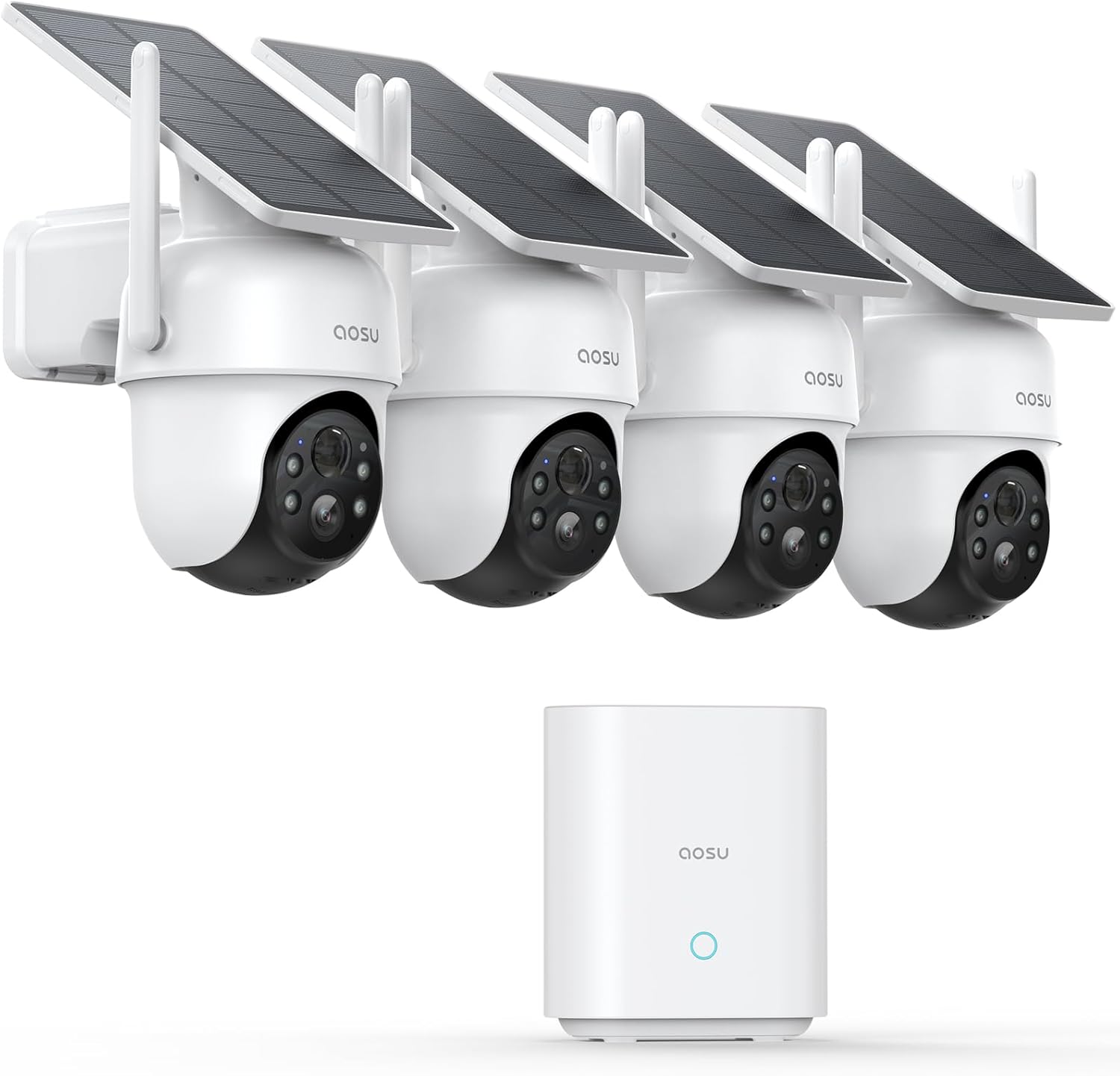
Aqara Camera Hub G5 Pro Review: 2K Security Cam with Smart Hub Built-In
The Aqara Camera Hub G5 Pro combines a 2K security camera with a Zigbee 3.0 hub in one device, offering local AI detecti
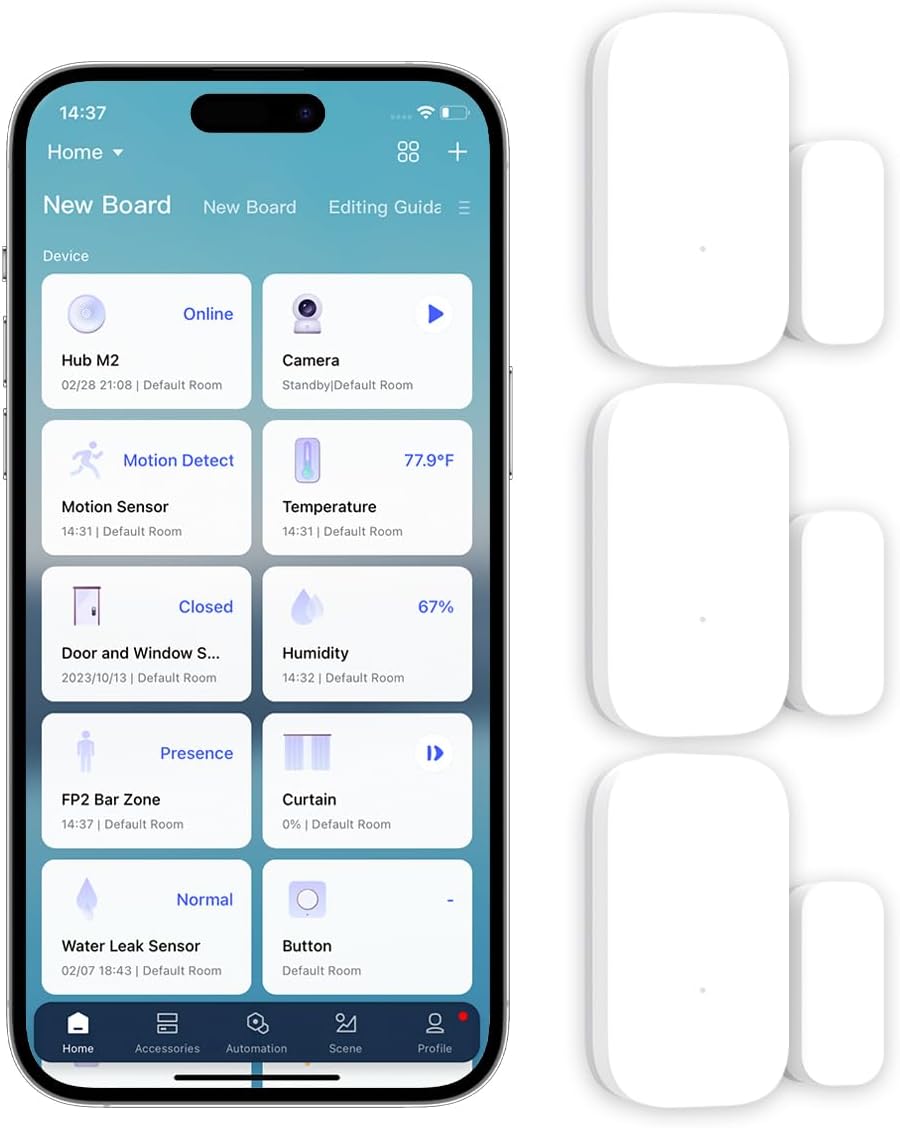
Aqara Door and Window Sensor T1 Review: Know When Things Open and Close
Aqara Door/Window Sensor T1 delivers reliable open/close detection with 2-year battery life at ¥69 — an essential buildi
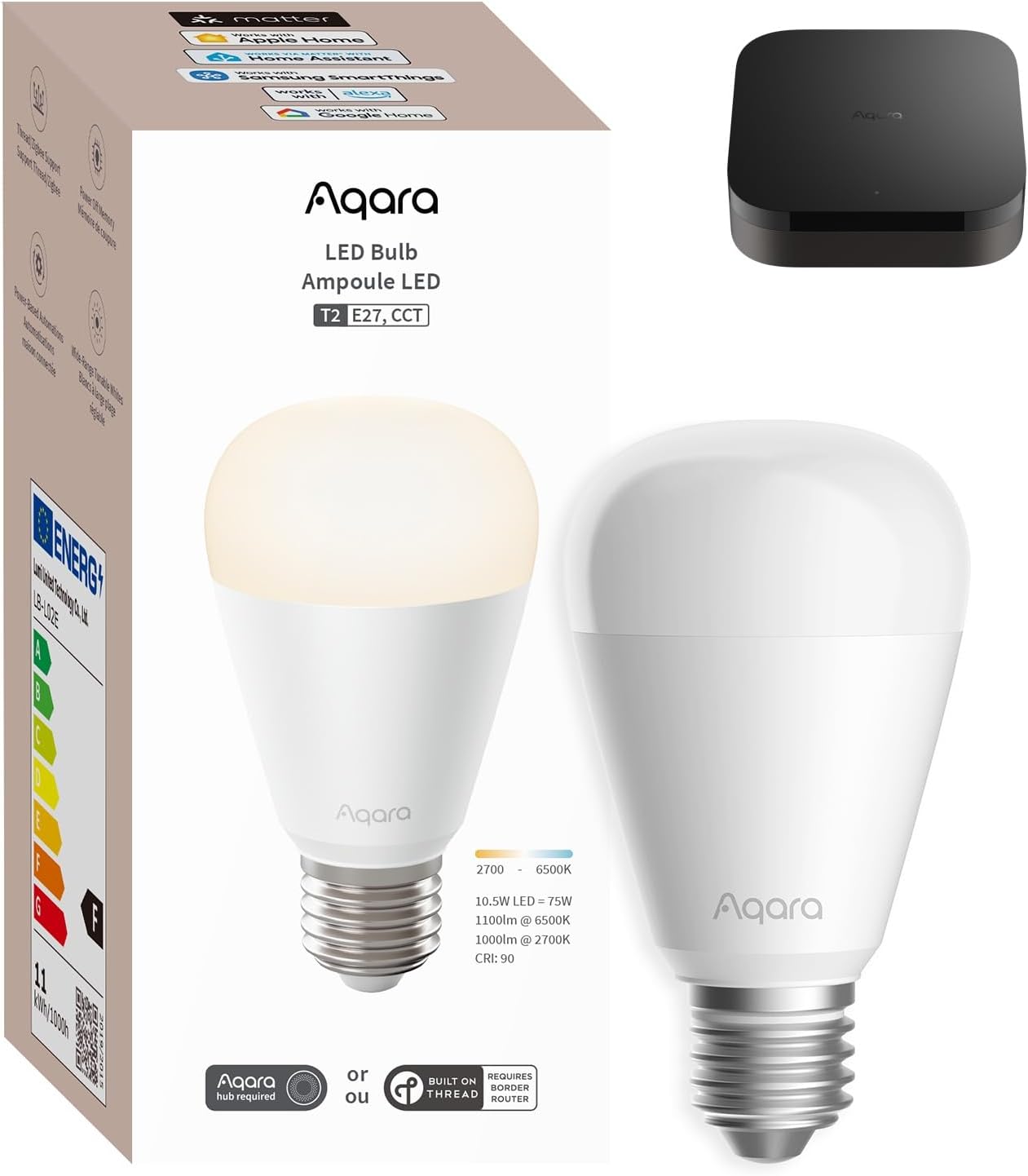
Aqara Hub M3 Matter Controller Review: Multi-Protocol Smart Home Hub With 2,000+ Reviews
Aqara Hub M3 Matter Controller has 2,000+ reviews on JD at 4.4/5, priced at ¥399 ($55). Users love multi-protocol suppor
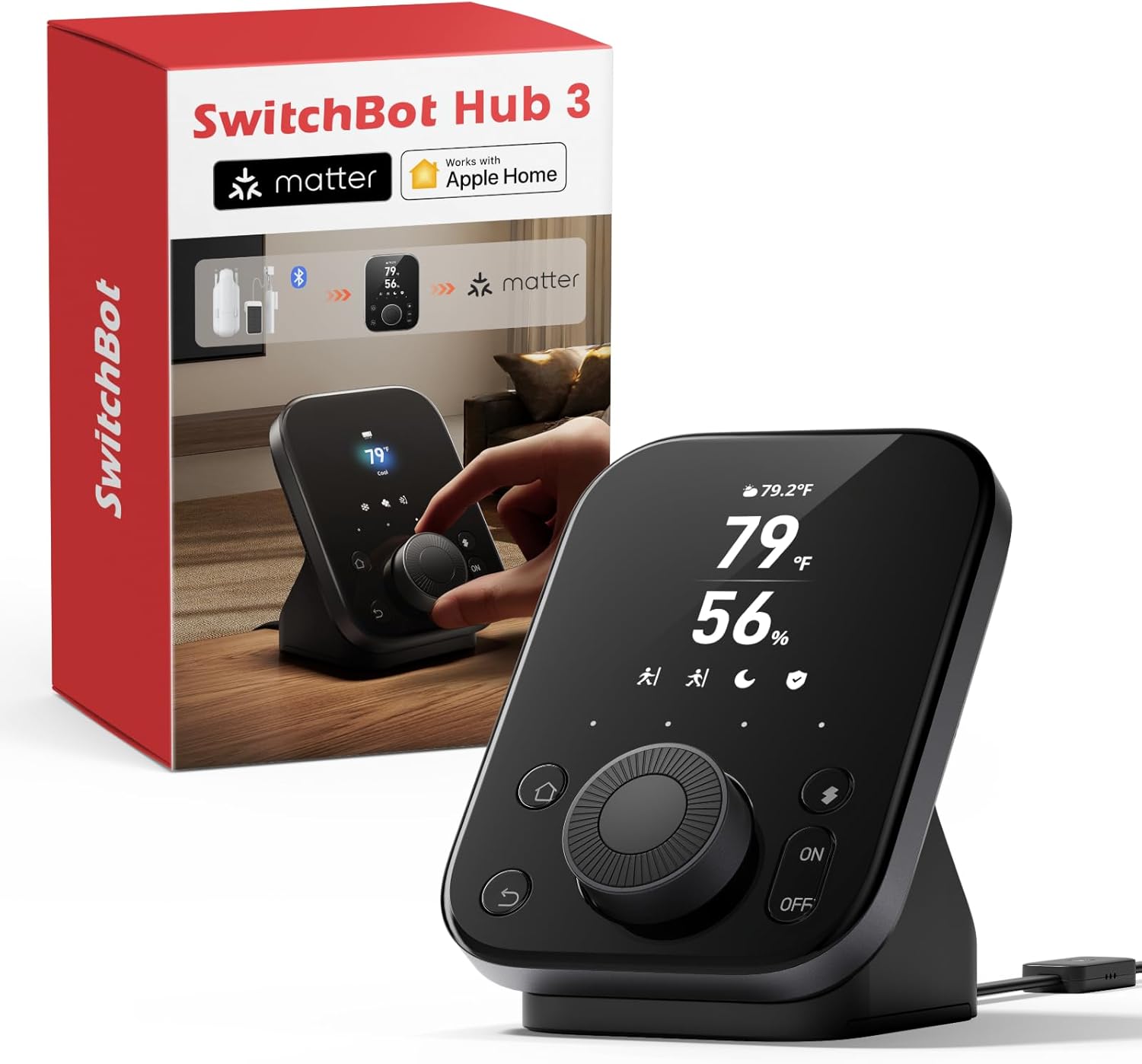
Aqara Hub M3 Review: The Smart Home Bridge That Does It All
The Aqara Hub M3 is a next-generation smart home hub supporting Matter, Thread, Zigbee 3.0, and Bluetooth, bridging Aqar

Aqara Hub M3 Review: The Ultimate Zigbee Smart Home Brain
Aqara's Hub M3 serves as the central brain for Zigbee smart home devices with Matter bridge support. We review this esse