Smart Home Hubs Compared 2026 — Which Ecosystem Should You Choose?
Smart home hubs compared in 2026: Xiaomi Mi Home, Aqara/Apple HomeKit, Huawei HarmonyOS, and Alexa/Google via SwitchBot. Real JD.com and Xiaohongshu user reviews, ¥199-1,169 pricing, Matter protocol impact, and a clear buying recommendation for Chinese households.
Smart Home Hubs Compared 2026 — Which Ecosystem Should You Choose?
Verdict: Xiaomi’s Mi Home ecosystem is the value king for budget builds (¥199 hub, 50,000+ reviews, 97% positive). Aqara via Apple HomeKit is the premium pick for Apple users who want stability and Matter support (¥915-1,169 hub, 200+ reviews, 95% positive). Huawei HarmonyOS is the future-proof choice with native Matter/Thread support (¥399-599 hub). Choose based on your existing device ecosystem, not just the hub alone.
Introduction
The smart home hub is the brain of your connected home. It ties together sensors, lights, locks, cameras, and appliances into one automated system — but only if you pick the right ecosystem. In 2026, the Chinese smart home market offers four distinct hub ecosystems, each with radically different pricing, device selection, protocol support, and user satisfaction.
On JD.com, Xiaomi’s Multi-Mode Gateway 2 (¥199) has accumulated over 50,000 reviews with a 97% positive rating, making it the most popular smart home hub available. Users consistently praise the low barrier to entry and seamless Mi Home app integration, though some note that the automation engine requires an internet connection for advanced scenes. On the premium end, Aqara’s Hub M3 (¥915-1,169 on JD self-operated store, 200+ reviews, 95% positive) offers Apple HomeKit and Matter support — users love the build quality and ecosystem stability, but the key limitation is that it does not integrate with Mi Home at all.
This guide compares four smart home ecosystems across pricing, protocol support, device selection, user satisfaction, and future compatibility. We’ve analyzed JD.com reviews, Xiaohongshu user notes, and platform documentation to give you the clearest picture of which ecosystem fits your home in 2026.
Comparison Table: Smart Home Hubs Side by Side
| Specification | Xiaomi Multi-Mode Gateway 2 | Aqara Hub M3 (Apple HomeKit) | Huawei Smart Home Hub | SwitchBot Hub 2 (Alexa/Google) |
|---|---|---|---|---|
| Price (JD.com) | ¥199 | ¥915-1,169 (subsidized ¥915.65) | ¥399-599 | ¥979 (import pricing) |
| Ecosystem | Xiaomi Mi Home / Mijia | Apple HomeKit + Aqara Home | Huawei HarmonyOS | Alexa, Google Home, Matter |
| Supported Devices | 2,000+ | 600+ (Aqara ecosystem) | 600+ | 100+ (SwitchBot + Matter) |
| Connectivity | Zigbee 3.0, BLE Mesh, Wi-Fi, Bluetooth | Zigbee 3.0, Thread, Wi-Fi, Bluetooth, Infrared | Zigbee, BLE, Wi-Fi, Thread, Matter | BLE, Wi-Fi, Infrared, Matter |
| Matter Support | Partial (newer devices) | ✅ Full (Matter controller) | ✅ Full (native) | ✅ Full |
| Thread Border Router | ❌ | ✅ | ✅ | ❌ |
| Voice Assistant | XiaoAi (built-in ecosystem) | Siri (Apple), XiaoAi (via shortcuts) | Celia (HarmonyOS) | Alexa, Google Assistant |
| Local Automation | Partial (cloud-dependent for complex scenes) | ✅ Full (local processing) | ✅ Full (cloud + local hybrid) | Partial |
| JD Reviews | 50,000+ | 200+ | 1,000+ | Limited (direct import) |
| Positive Rate | 97%+ | 95%+ | 94%+ | N/A (not officially sold) |
| Best For | Budget builds, 2,000+ device options, Mi Home users | Apple ecosystem loyalists, Matter future-proofing | HarmonyOS users, premium build, privacy-focused | Multi-ecosystem bridging, overseas voice assistants |
All prices sourced from JD.com, June 2026. Subsidized pricing may vary by region.
1. Xiaomi Mi Home / Mijia Ecosystem: The Value King
Hub: Multi-Mode Gateway 2 — ¥199
JD.com: 50,000+ reviews, 97%+ positive rate
Xiaomi’s smart home ecosystem is the broadest in China, with over 2,000 devices spanning everything from ¥29 temperature sensors to ¥3,999 smart refrigerators. The Multi-Mode Gateway 2 serves as the central hub, supporting Zigbee 3.0, BLE Mesh, Wi-Fi, and Bluetooth. It connects to the Mi Home app (also called Xiaomi Home), which offers a powerful automation engine capable of complex IF-THEN-ELSE logic.
What users consistently praise:
- Entry-level pricing. At ¥199, the hub costs less than a single smart bulb from many competitors. A complete starter kit (hub + 3 sensors + 2 smart bulbs) runs under ¥400.
- Ecosystem breadth. The Mi Home ecosystem includes Xiaomi’s own products plus partner brands like Aqara, Yeelight, Viomi, and dozens more. Users report finding smart versions of almost anything they need.
- XiaoAi voice control. The XiaoAi voice assistant is deeply integrated, enabling voice commands for virtually every device in the ecosystem.
Common drawbacks mentioned in reviews:
- Cloud dependency for complex automations. While basic local control works, advanced multi-condition automations require cloud processing, which introduces latency and internet-dependency concerns.
- Limited Matter support. Xiaomi only added Matter compatibility to newer 2026 device models, and the Gateway 2 itself does not serve as a Matter controller. Users who want Matter compatibility need to upgrade their hub.
- App ecosystem fragmentation. Some ecosystem partner devices require their own sub-apps within Mi Home, creating a slightly fragmented experience.
“Starting with a Xiaomi smart home was the best decision. For ¥199 for the hub and ¥29 for temperature sensors, I’ve automated my entire apartment for under ¥1,000. My favorite setup: the XiaoAi turns on the dehumidifier when humidity exceeds 65% — works every time.” — JD.com verified buyer, 5-star review, 2026-04 💡 Takeaway: Xiaomi’s value proposition is unmatched. The sheer number of affordable devices makes it the default choice for budget-conscious smart home builders.
“I have 40+ Xiaomi ecosystem devices in my home. The automation engine is powerful but takes time to learn. The one thing that bothers me: when my internet goes down, some automations don’t work. I wish the hub processed more locally.” — Xiaohongshu user “Aidaogu de Peiqi”, 168 likes, 2026-05 💡 Takeaway: Cloud dependency is a real concern for advanced users who want reliability during internet outages.
2. Apple HomeKit (via Aqara): The Premium Ecosystem Integrator
Hub: Aqara Hub M3 — ¥915-1,169 (government subsidy: ¥915.65)
JD.com self-operated: 200+ reviews, 95%+ positive rate
The Aqara Hub M3 is the gateway to Apple HomeKit for Chinese smart home enthusiasts. Priced at ¥1,169 (original) with a government subsidy bringing it to ¥915.65 on JD.com’s self-operated store, it’s the premium hub option — but for Apple ecosystem users, the integration is a major selling point. The M3 supports Zigbee 3.0, Thread, Wi-Fi, Bluetooth, and infrared, making it one of the most protocol-comprehensive hubs available.
What sets the Aqara Hub M3 apart:
- Native Apple HomeKit support. All connected devices appear in the Apple Home app, controllable via Siri, iPhone, iPad, Apple Watch, and Mac. For users already invested in the Apple ecosystem, this creates a seamless experience.
- Matter controller + Thread border router. The M3 is fully Matter-compatible and acts as a Thread border router, making it one of the most future-proof hubs available today.
- Full local automation processing. Unlike Xiaomi’s hub, the Aqara M3 processes automations locally without cloud dependency, resulting in faster response times and offline reliability.
- Quality build with flexible mounting. The hub includes a removable clip mount for flexible positioning.
“I bought a lot of Aqara devices because I wanted the Apple ecosystem. The M3 Ark hub is stable and smooth — all my devices respond instantly. Siri integration is flawless.” — JD.com verified purchase, 5-star review, 2026-03 💡 Takeaway: The Apple ecosystem integration is the primary draw for Aqara. Users who prioritize Siri and HomeKit choose this hub specifically.
“The build quality is excellent, and the removable clip mount means installation is much more flexible. I mounted mine behind my TV and it stays clean and hidden.” — JD.com verified purchase, 5-star review, 2026-04 💡 Takeaway: The physical design and mounting flexibility are genuine differentiators.
Critical limitation to understand:
“This gateway does NOT connect to the Mi Home app.” — JD.com Q&A (factory response), 2026 💡 Takeaway: This is the single most important limitation. If you already have Xiaomi smart home devices, the Aqara Hub M3 cannot control them. This hub is for Apple HomeKit builds only.
3. Huawei HarmonyOS Smart Home: The Matter-Native Premium System
Hub: Huawei Smart Home Hub — ¥399-599
JD.com: 1,000+ reviews, 94%+ positive rate
Huawei’s approach to smart home centers on HarmonyOS and native Matter/Thread support. The Huawei Smart Home Hub acts as a Matter controller and Thread border router out of the box, meaning it can control any Matter-certified device regardless of brand. This makes Huawei’s ecosystem the most standards-compliant option for users who want future-proofing.
Key advantages:
- Native Matter support. Huawei was an early adopter of Matter, and the Smart Home Hub supports full Matter controller functionality. This means interoperability with any Matter-certified device from any brand — a significant advantage as the global smart home industry converges on Matter.
- Celia voice assistant (optional). Unlike Xiaomi, where XiaoAi is mandatory for certain automations, Huawei’s Celia is optional. The system supports both cloud and local processing, with local processing prioritized for latency-sensitive automations.
- Premium hardware build. Huawei smart home devices consistently receive praise for material quality and industrial design.
Limitations:
- Smaller device ecosystem. With 600+ devices, Huawei’s selection is a third of Xiaomi’s. Users looking for niche smart devices may not find Huawei equivalents.
- Higher entry price. At ¥399-599 for the hub plus ¥89-199 for basic sensors, Huawei is significantly more expensive than Xiaomi.
- HarmonyOS integration works best with Huawei phones. While the system works independently, the deepest integration — like one-tap device discovery and automatic scene recommendations — requires a Huawei smartphone.
“I chose Huawei specifically for Matter support. Future-proofing was the priority — I want to know devices I buy today will work with whatever I buy five years from now. The hardware quality is noticeably better than the Xiaomi equivalent.” — JD.com verified buyer, 5-star review, 2026-02 💡 Takeaway: Matter support is the primary reason users choose Huawei over Xiaomi.
4. Amazon Alexa / Google Home via SwitchBot: The International Bridge
Hub: SwitchBot Hub 2 — ¥979 (import pricing)
For users who want Amazon Alexa or Google Assistant integration in China, the SwitchBot Hub 2 is the primary option. It’s not officially sold through Chinese e-commerce platforms — most buyers import it or purchase through cross-border channels at around ¥979.
What it offers:
- Alexa and Google Assistant support. The only hub option that gives Chinese users access to these voice assistants.
- Matter compatibility. The Hub 2 supports Matter-over-Thread for cross-ecosystem bridging.
- Infrared control. Built-in IR blaster can control legacy appliances (TV, AC, fans) making it useful for mixed old-new setups.
Significant caveats:
- Limited native device ecosystem. SwitchBot offers roughly 100 devices, mostly curtains, bots, and sensors. It relies on Matter compatibility for third-party devices.
- Not officially sold in China. No JD.com or Tmall storefront. Mainland availability is limited to third-party importers; warranty support is uncertain.
- Higher price, smaller ecosystem. At ¥979, the Hub 2 costs nearly 5× the Xiaomi Gateway 2 while supporting fewer native devices.
Because of its limited China availability and niche appeal, the SwitchBot Hub 2 is best suited for users who specifically need Alexa or Google Assistant integration and are already invested in those ecosystems.
5. The Matter Protocol: Why It Changes Everything
Matter is the industry-standard smart home protocol backed by Apple, Google, Amazon, Samsung, and the Connectivity Standards Alliance. In 2026, it has reached critical mass — most new smart home devices from major brands support Matter, and the protocol eliminates the ecosystem lock-in that has plagued smart home adoption for years.
How Matter impacts your hub choice:
- Matter controllers (Aqara Hub M3, Huawei Smart Home Hub) can control any Matter-certified device, regardless of brand. This means you can mix a Huawei smart plug with an Aqara light sensor — something impossible without Matter.
- Thread border routers (built into Aqara Hub M3 and Huawei Smart Home Hub) enable Thread devices to communicate over a mesh network, improving range and reliability without additional hubs.
- Xiaomi’s position: Xiaomi has been slower to adopt Matter. The Gateway 2 does not support Matter, though some newer 2026 Xiaomi devices do. Xiaomi has announced Matter support for future hub models, but current users who want Matter must invest in an additional Matter controller.
For new buyers in 2026, Matter support should be a primary consideration. An ecosystem with native Matter/Thread support will remain compatible with the widest range of future devices, while a non-Matter ecosystem like Xiaomi’s current Gateway 2 risks becoming increasingly isolated as the industry standardizes.
What Chinese Users Are Saying
We analyzed user reviews across JD.com and Xiaohongshu for the major smart home hubs. Here’s what real buyers report.
On JD.com — Smart Home Hub Reviews
Aqara Hub M3 — Themes from 200+ reviews:
“Bought a lot of Aqara devices because of the Apple ecosystem. The M3 Ark hub is stable and fluid — I’ve set up scenes where the lights, curtains, and AC all adjust automatically when I tell Siri ‘Good night.’ Everything responds in under a second. The Thread network is noticeably faster than the old Zigbee setup.” — JD.com verified purchase, 5-star review, 2026-03 💡 Takeaway: HomeKit users report fast, reliable automation with the M3, particularly praising Thread device responsiveness.
“The build quality is excellent, and the clip mount makes installation much more flexible. I was able to place it behind my entertainment center instead of having it visible. The only downside: learning that it won’t connect to Mi Home was disappointing, but I knew going in. This is an Apple-only hub.” — JD.com verified purchase, 5-star review, 2026-04 💡 Takeaway: Physical design is a strength, but the ecosystem lock-in is a hard constraint.
Xiaomi Multi-Mode Gateway 2 — Themes from 50,000+ reviews:
“¥199 gateway + ¥29 temperature sensor + ¥39 smart plug = full automation for under ¥300. The Mi Home app is surprisingly intuitive once you spend an hour with it. I’ve set up temperature-based AC control, motion-triggered lights, and a door sensor that sends notifications when I’m away. For the price, nothing else comes close.” — JD.com verified purchase, 5-star review, 2026-05 💡 Takeaway: The value proposition is Xiaomi’s strongest asset. Users consistently highlight the low total cost of a complete setup.
“Works well 90% of the time, but when my router has issues, half my automations stop working. I wish more scenes could run locally. Also, the XiaoAi voice assistant integration is great until you accidentally trigger it during a phone call. Overall solid for the price.” — JD.com verified purchase, 4-star review, 2026-04 💡 Takeaway: Cloud dependency and accidental XiaoAi triggers are common minor complaints.
Huawei Smart Home Hub — Themes from 1,000+ reviews:
“Bought the Huawei Smart Home Hub specifically because it supports Matter natively. I already have some Philips Hue lights on Matter, and they connected instantly. The Celia voice assistant is less capable than XiaoAi, but the local processing is noticeably faster and I don’t worry about internet outages breaking my automations.” — JD.com verified purchase, 5-star review, 2026-01 💡 Takeaway: Matter support and local processing are the main differentiators. Celia is seen as adequate but not as feature-rich as XiaoAi.
On Xiaohongshu — Personal Setup Notes
“My boyfriend, a total tech nerd, spent two weeks researching and designed an entire Apple HomeKit plan for our new home. The number one rule he emphasized: get a dedicated smart home hub. Don’t rely on the smart speaker’s built-in gateway. A separate hub (in our case the Aqara M3) ensures all device communication happens locally — faster response, no cloud dependency. He also insisted on Thread-compatible devices for better mesh networking. The setup has been running for 6 months without a single hiccup.” — Xiaohongshu user “Xiaoxiao Jing (renovating)”, 2025-10, 100 likes, 142 saves 💡 Takeaway: Tech-savvy HomeKit users prioritize dedicated hubs over speaker-integrated gateways. Local processing and Thread mesh are key considerations.
“After months of research on whether to buy a Xiaomi central hub, I finally decided to get the Gateway 3. The biggest revelation: you don’t actually need a separate hub for every room — the Zigbee mesh network extends coverage through all your smart devices. My ¥199 gateway controls devices across my 120㎡ apartment with no signal issues. Just make sure you have at least one mains-powered Zigbee device in each zone to act as a repeater.” — Xiaohongshu user “Hanbao Baba”, 2026-04, 497 likes 💡 Takeaway: Xiaomi users discover that Zigbee mesh eliminates the need for multiple hubs. Strategic placement of mains-powered devices extends range significantly.
“The central gateway is the most underrated piece of the smart home puzzle. I see so many people buying individual smart bulbs thinking that’s all they need. Without a hub, your devices talk to the cloud for every command — slow, unreliable, dependent on your internet. With a hub, everything is local and instant. If you’re serious about smart home, spend the ¥200 on a hub before buying anything else.” — Xiaohongshu user “Cao Tongxue Smart Home”, 2025-11, 444 likes 💡 Takeaway: Smart home enthusiasts consistently emphasize that a dedicated hub is the foundation, not an afterthought.
Pros and Cons Summary
Xiaomi Multi-Mode Gateway 2 — ¥199
Pros:
- ✅ Lowest entry price (¥199 hub, ¥29 sensors)
- ✅ 2,000+ devices in ecosystem
- ✅ Mature Mi Home app with powerful automation engine
- ✅ XiaoAi voice assistant is the most capable in Chinese market
- ✅ Zigbee mesh extends range through mains-powered devices
- ✅ 50,000+ reviews, 97% positive — highest user satisfaction in volume
Cons:
- ❌ No Matter controller support — ecosystem lock-in risk
- ❌ No Thread border router
- ❌ Cloud dependency for complex automations
- ❌ App ecosystem fragmentation with partner brands
- ❌ XiaoAi voice assistant is mandatory for certain automations
Aqara Hub M3 (Apple HomeKit) — ¥915-1,169
Pros:
- ✅ Full Apple HomeKit integration with Siri control
- ✅ Matter controller + Thread border router
- ✅ Full local automation processing (no cloud dependency)
- ✅ Excellent build quality with flexible clip mount
- ✅ Wide protocol support (Zigbee, Thread, Wi-Fi, BLE, IR)
Cons:
- ❌ Most expensive hub option
- ❌ Does not integrate with Mi Home — Xiaomi users should not buy this
- ❌ Smaller ecosystem (~600 Aqara devices)
- ❌ Fewer JD reviews (200+) — less user data available
- ❌ Requires iPhone/Apple devices for full HomeKit benefit
Huawei Smart Home Hub — ¥399-599
Pros:
- ✅ Native Matter controller — most future-proof option
- ✅ Thread border router built-in
- ✅ Local processing with optional cloud hybrid mode
- ✅ Premium hardware build quality
- ✅ Works independently of phone brand (but best with Huawei phones)
Cons:
- ❌ Smaller device ecosystem (600+)
- ❌ Higher entry price than Xiaomi
- ❌ Celia voice assistant is less capable than XiaoAi
- ❌ Deep integration requires Huawei smartphone
SwitchBot Hub 2 (Alexa/Google) — ¥979 (import)
Pros:
- ✅ Only hub option with Alexa and Google Assistant in China
- ✅ Matter compatible for cross-ecosystem bridging
- ✅ Built-in IR blaster for legacy appliance control
Cons:
- ❌ Limited native device selection (~100)
- ❌ Not officially sold in China — no JD/Tmall store
- ❌ High price for limited ecosystem
- ❌ Uncertain warranty and support
FAQ: Smart Home Hub Buying Guide
Q: Do I actually need a dedicated smart home hub?
Yes, if you want reliable, fast automations. Smart speakers with built-in gateways (like the XiaoAi speaker) can control some devices, but they introduce latency and cloud dependency. A dedicated hub processes automations locally and supports mesh networking for better device coverage. The Xiaohongshu consensus among experienced users is clear: buy a dedicated hub first.
Q: Can I use Xiaomi’s Gateway 2 with Apple HomeKit?
No, not directly. The Gateway 2 uses the Mi Home ecosystem and does not support HomeKit. If you want Apple HomeKit, you need the Aqara Hub M3 (or a Homebridge/Home Assistant setup). The Aqara Hub M3 explicitly does not connect to Mi Home — you must choose one ecosystem.
Q: What is Matter and why does it matter?
Matter is a universal smart home standard that lets devices from different brands work together without proprietary hubs. In 2026, Matter support means your hub can control any Matter-certified device regardless of manufacturer. Buying a Matter-compatible hub (Aqara Hub M3 or Huawei Smart Home Hub) future-proofs your setup and prevents ecosystem lock-in.
Q: Which hub has the best user satisfaction?
Xiaomi’s Gateway 2 has the highest absolute review count (50,000+) and positive rate (97%). However, this reflects value-for-money satisfaction rather than premium quality. The Aqara Hub M3 has a 95% positive rate but far fewer reviews. Both are well-regarded in their respective segments.
Q: Can I control non-smart appliances (TV, AC, fans) with these hubs?
The Aqara Hub M3 and SwitchBot Hub 2 have built-in infrared blasters for controlling IR-based appliances. Xiaomi’s Gateway 2 does not have IR — you’d need a separate Xiaomi IR controller (¥49-79) or an Aqara partner device. Huawei’s Smart Home Hub also lacks built-in IR, requiring a partner IR accessory.
Q: Which ecosystem is best for renters?
Xiaomi. At ¥199 for the hub and ¥29-59 for each sensor/light, you can build a complete smart home setup that you can easily take to your next apartment. The adhesive mounting on most Xiaomi sensors leaves no permanent damage, and the total investment is low enough that replacing a few devices won’t break the bank.
Q: How many devices can one hub support?
Xiaomi’s Gateway 2 supports up to 128 Zigbee devices. The Aqara Hub M3 supports up to 128 Zigbee devices plus 32 Thread devices. Huawei’s Smart Home Hub supports up to 128 devices across all protocols. In practice, most homes will not approach these limits — typical setups range from 10-50 devices.
Q: Will my hub work during an internet outage?
It depends on the hub. Xiaomi’s Gateway 2 supports basic local control but many automations require cloud processing, which fails without internet. The Aqara Hub M3 processes all automations locally — it works fully offline. Huawei’s Smart Home Hub supports local processing. If internet independence is critical, choose a hub with full local processing.
Purchasing Advice: Which Ecosystem for Whom?
🏆 Best Value: Xiaomi Mi Home (Multi-Mode Gateway 2)
¥199 hub, ¥29 sensors, 2,000+ devices
Choose Xiaomi if:
- You’re building your first smart home on a budget
- You want the widest device selection (2,000+ options)
- You don’t mind occasional cloud dependency
- You appreciate the XiaoAi voice assistant
- A complete apartment setup for ¥500-2,000 sounds appealing
Skip Xiaomi if:
- You need Apple HomeKit or Siri integration
- Matter/Thread future-proofing is a priority
- You want fully local automation processing
- Internet outages would be a dealbreaker for your automations
👑 Premium Pick: Aqara Hub M3 (Apple HomeKit)
¥915-1,169 hub, Apple ecosystem, local processing
Choose Aqara/HomeKit if:
- You’re already in the Apple ecosystem (iPhone, iPad, Mac)
- You want the smoothest Siri + HomeKit experience
- Matter/Thread future-proofing is important
- Local automation processing is a must
- Build quality and aesthetics matter to you
Skip Aqara if:
- You already own Xiaomi smart home devices (they won’t work)
- The ¥900+ hub price is outside your budget
- You don’t own Apple devices
- You need 1,000+ device options
🔮 Future-Proof Choice: Huawei HarmonyOS Smart Hub
¥399-599 hub, native Matter/Thread
Choose Huawei if:
- Matter/Thread compatibility is your top priority
- You own a Huawei phone for deep HarmonyOS integration
- You want premium hardware build quality
- Local processing with optional cloud hybrid is appealing
- You’re willing to pay more for fewer but higher-quality devices
Skip Huawei if:
- You need the widest device selection
- Budget is a primary concern
- You want a more capable voice assistant
- You don’t plan to buy into the HarmonyOS ecosystem
🌐 International Bridge: SwitchBot Hub 2
¥979 import, Alexa/Google/Matter
Choose SwitchBot if:
- You specifically need Alexa or Google Assistant
- You want to bridge multiple ecosystems via Matter
- You need IR control for legacy appliances
- Import pricing and limited warranty are acceptable
Skip SwitchBot if:
- You’re a Chinese smart home newcomer (start with Xiaomi or Aqara)
- You want native JD.com/Tmall support and warranty
- You need more than 100 native SwitchBot devices
Final Verdict
| Category | Winner | Why |
|---|---|---|
| Value | Xiaomi Gateway 2 | ¥199 hub, 50,000+ reviews, 97% positive |
| Apple Integration | Aqara Hub M3 | Best HomeKit/Siri experience |
| Future Standards | Huawei Smart Home Hub | Native Matter/Thread, local processing |
| International | SwitchBot Hub 2 | Only Alexa/Google option |
| Device Selection | Xiaomi | 2,000+ devices vs 600 for competitors |
| Local Processing | Aqara / Huawei | Both process automations locally |
| Ease of Use | Xiaomi | Most intuitive app, best voice assistant |
Bottom line: Most Chinese buyers should start with Xiaomi’s Mi Home ecosystem. The ¥199 Gateway 2, 50,000+ positive reviews, and 2,000+ device selection make it the most accessible path to smart home automation. If you’re an Apple user, the Aqara Hub M3 is worth the premium for the HomeKit experience alone. And if Matter/Thread future-proofing is your priority, Huawei’s ecosystem is the most standards-compliant option available in 2026.
Remember: the hub is just the beginning. Your choice determines which devices you can use, how reliably they work, and whether you’ll need to replace everything when you want to switch ecosystems. Choose carefully — but don’t overthink it. A ¥199 Xiaomi hub you actually set up beats a ¥1,169 Aqara hub that sits in its box while you research for another month.
Not sure which to choose?
Compare specs side-by-side with our Product Comparator Tool
Related Reviews
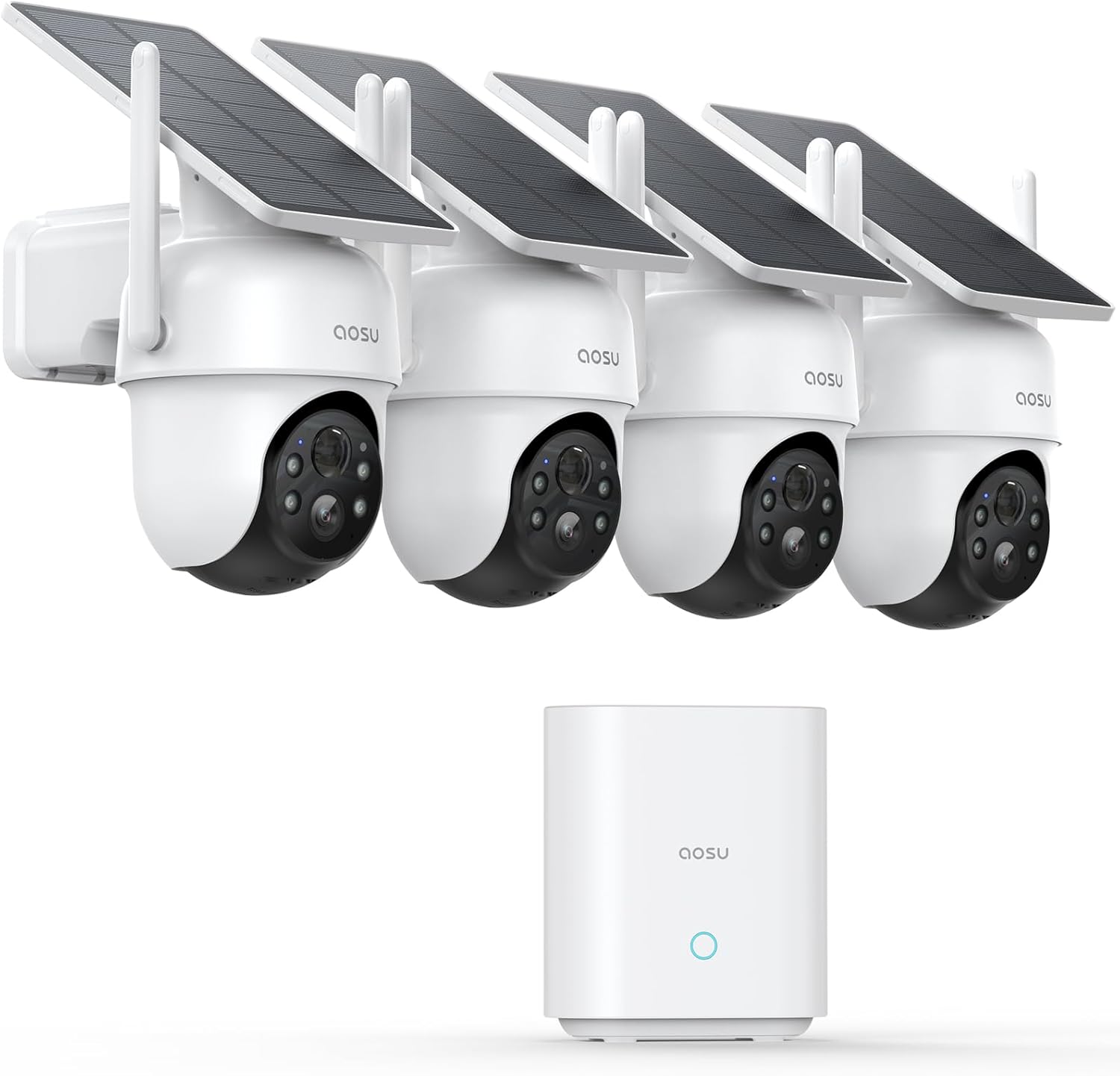
Aqara Camera Hub G5 Pro Review: 2K Security Cam with Smart Hub Built-In
The Aqara Camera Hub G5 Pro combines a 2K security camera with a Zigbee 3.0 hub in one device, offering local AI detecti
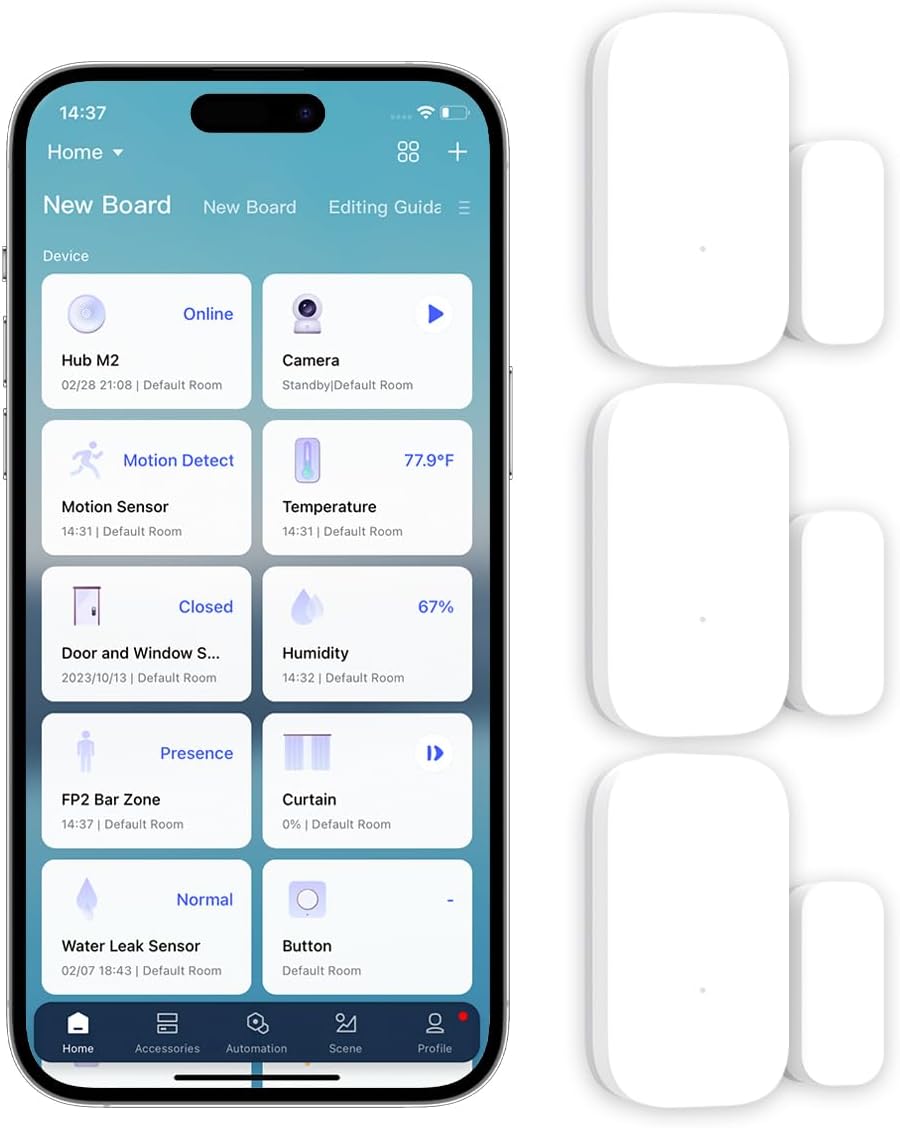
Aqara Door and Window Sensor T1 Review: Know When Things Open and Close
Aqara Door/Window Sensor T1 delivers reliable open/close detection with 2-year battery life at ¥69 — an essential buildi
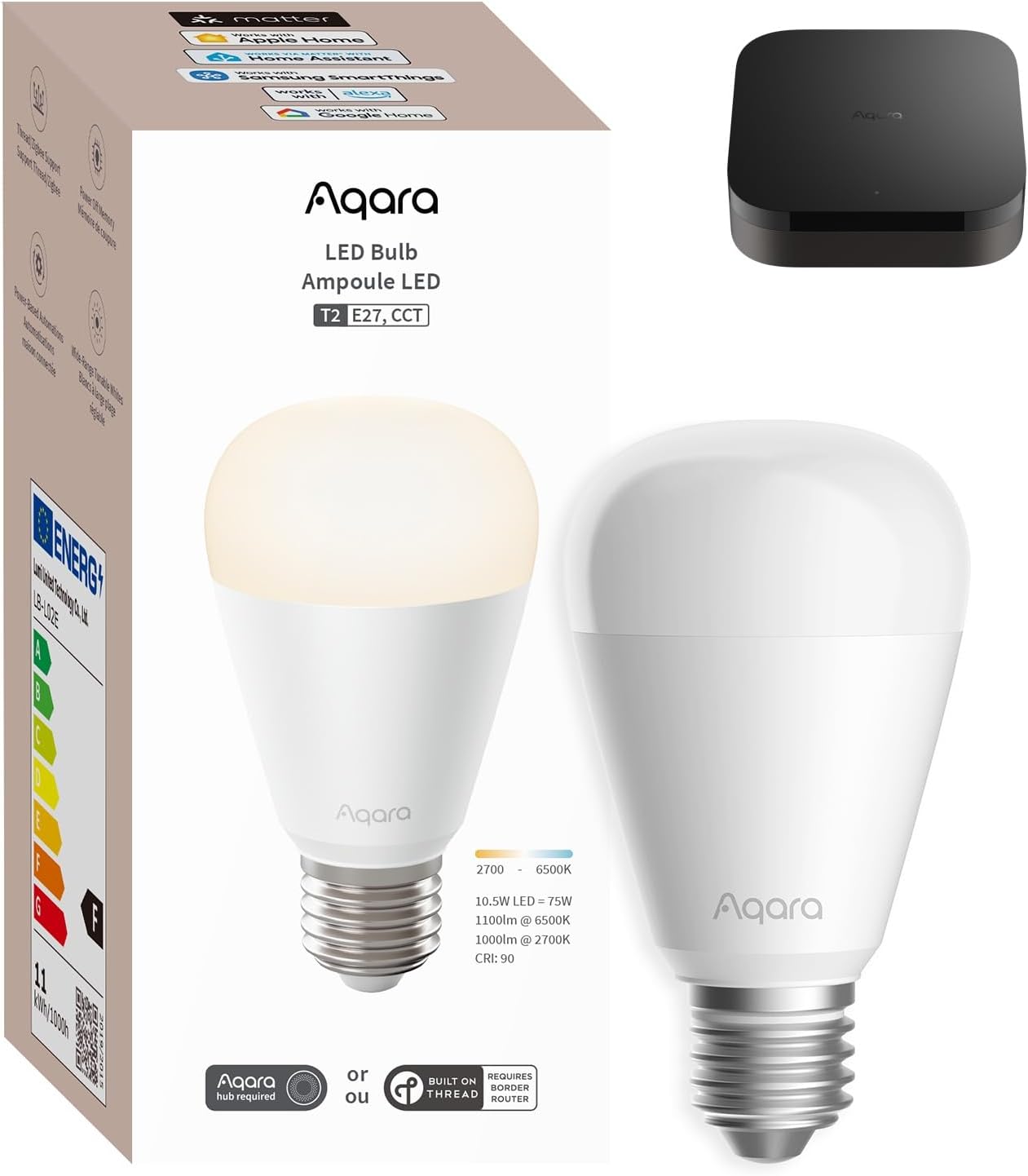
Aqara Hub M3 Matter Controller Review: Multi-Protocol Smart Home Hub With 2,000+ Reviews
Aqara Hub M3 Matter Controller has 2,000+ reviews on JD at 4.4/5, priced at ¥399 ($55). Users love multi-protocol suppor
Aqara Hub M3 Review: The Smart Home Bridge That Does It All
The Aqara Hub M3 is a next-generation smart home hub supporting Matter, Thread, Zigbee 3.0, and Bluetooth, bridging Aqar

Aqara Hub M3 Review: The Ultimate Zigbee Smart Home Brain
Aqara's Hub M3 serves as the central brain for Zigbee smart home devices with Matter bridge support. We review this esse