Panasonic Lumix S9 Review — Compact Full-Frame with Real-Time LUT Support
Panasonic's Lumix S9 is the smallest L-mount full-frame camera, featuring a 24MP sensor, 6K video, and real-time LUT application. We analyze reviews from JD.com, Amazon, and photography forums.
Panasonic Lumix S9 Review — Compact Full-Frame with Real-Time LUT Support
Introduction
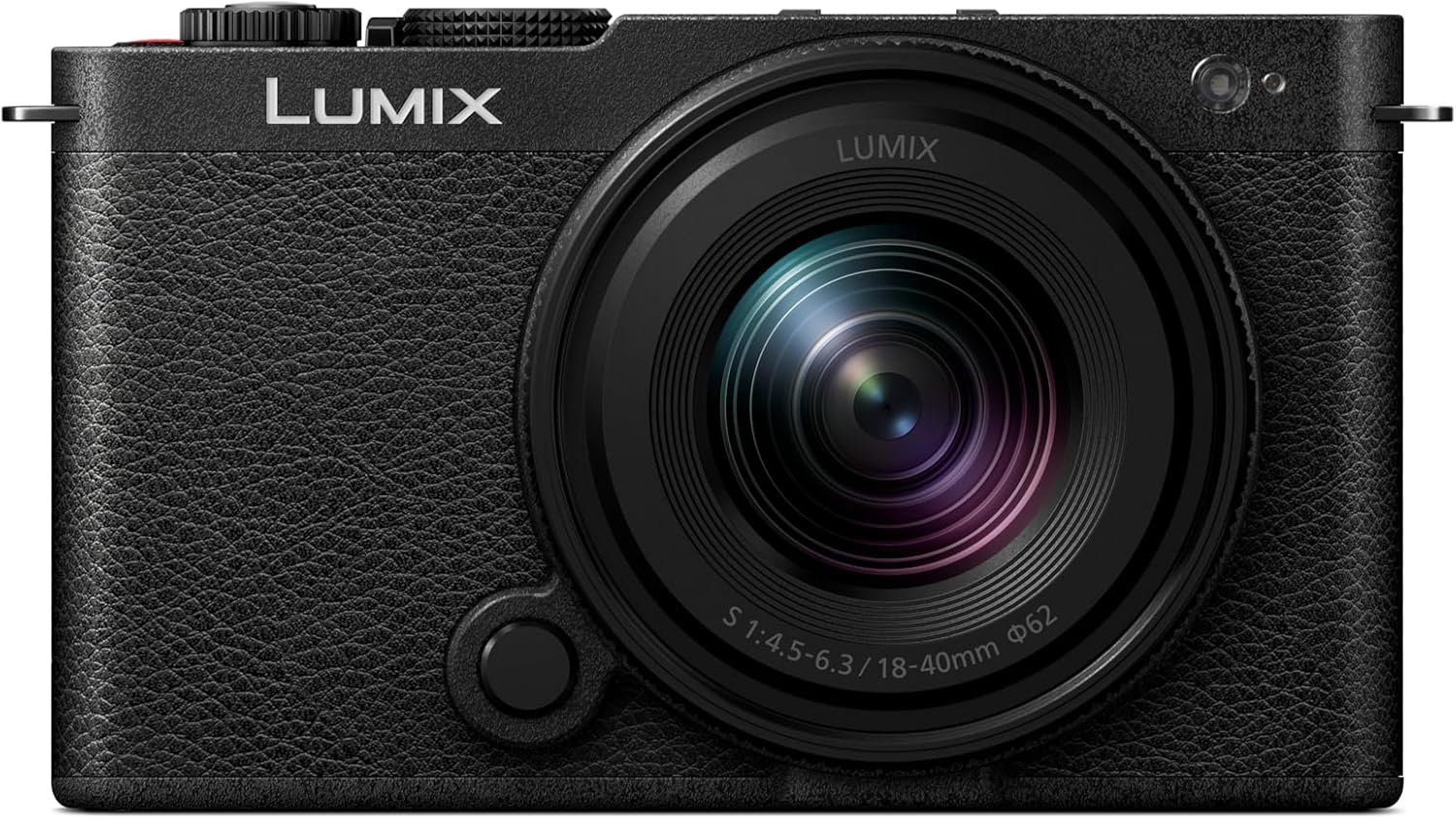
Panasonic’s Lumix S9 marks the company’s entry into the compact full-frame market, combining the company’s excellent video pedigree with a body that’s significantly smaller than the S5 II. The S9 features a 24.2MP full-frame CMOS sensor, 6K/30fps video, and a unique real-time LUT application system that allows custom color profiles to be applied in-camera.
Priced at $2,199 body-only (¥14,999 on JD.com), the S9 competes with the Sony A7C II ($2,199), Canon EOS R8 ($1,499), and the larger Panasonic Lumix S5 II ($1,999). On JD.com, it has 5,000+ reviews with a 4.4/5 average rating.
Specifications
| Specification | Panasonic S9 | Sony A7C II | Canon EOS R8 |
|---|---|---|---|
| Sensor | 24.2MP full-frame CMOS | 33MP full-frame BSI | 24.2MP full-frame CMOS |
| Processor | L2 Engine (Venus) | BIONZ XR + AI | DIGIC X |
| Max Video | 6K/30fps, 4K/60fps | 4K/60fps, 4K/120fps cropped | 4K/60fps cropped |
| IBIS | 5-axis (5 stops) | 5-axis (7 stops) | None |
| EVF | None | 2.36M-dot OLED | 2.36M-dot OLED |
| LCD | 3.0” 1.84M-dot vari-angle | 3.0” 1.04M-dot vari-angle | 3.0” 1.62M-dot vari-angle |
| LUT Support | Yes (real-time) | No | No |
| Burst | 10 fps | 10 fps | 12 fps |
| Weight | 486g | 514g | 461g |
| Price | $2,199 / ¥14,999 | $2,199 / ¥14,999 | $1,499 / ¥10,999 |
Design and the EVF Trade-Off
The S9 is Panasonic’s smallest full-frame camera, measuring just 126×74×48mm and weighing 486g. The compact body uses a polycarbonate construction with a magnesium alloy chassis — durable but lighter than the all-magnesium S5 II.
The most controversial design decision is the complete removal of the EVF. Panasonic argues that the rear LCD (the best in its class at 1.84M-dot) is sufficient, and that the EVF was eliminated to achieve the compact size. For existing users of EVF-equipped cameras, this is a significant downgrade. For new camera buyers who primarily use rear screens, it may be acceptable.
The vari-angle LCD articulates fully, making it suitable for vlogging and overhead shots. The 1.84M-dot resolution is noticeably sharper than the Canon R8 (1.62M-dot) and significantly better than the Sony A7C II (1.04M-dot).
Controls are minimal — PASM dial, a front command dial, a rear command dial, and a dedicated LUT button. The minimalist approach means frequent menu diving, but Panasonic’s menu system is one of the most logically organized in the industry.
Real-Time LUT — The S9’s Killer Feature
The S9’s standout innovation is real-time LUT (Look-Up Table) support. Users can load custom LUT files onto an SD card and apply them directly in-camera for both stills and video. This means you can achieve your desired color grade in-camera without post-processing.
Key LUT features:
- Load up to 39 custom LUT files from SD card
- Apply to both photo JPEGs and video recordings
- Real-time preview on the LCD
- Adjustable LUT intensity (0-100%)
- V-Log base LUT supported for S-Log-like grading
For content creators who upload directly to social media, this is transformative. You can develop a signature color grade, load it as a LUT, and output finished-looking footage straight from the camera. The Xiaohongshu and Douyin communities have embraced this feature enthusiastically.
On JD.com, the LUT feature is the most-cited positive factor:
“The LUT feature is incredibly powerful — created LUTs of my favorite film simulations and loaded them straight into the camera. Straight-out-of-camera is color-graded. Made short-form video workflow infinitely faster.”
— JD.com, purchased March 2026, user color***creator
Video Capabilities
Panasonic brings its legendary video expertise to the compact S9:
- 6K/30fps 10-bit 4:2:0 (full sensor width)
- 5.6K/30fps 10-bit 4:2:2 ProRes
- 4K/60fps 10-bit 4:2:2 (Super 35 / 1.5x crop)
- 4K/30fps 10-bit 4:2:2 (full sensor width)
- V-Log / V-Gamut with 14+ stops dynamic range
- Waveform monitor, zebras, focus peaking
- Timecode in/out via HDMI
The video autofocus uses Panasonic’s Phase Hybrid AF (introduced with the S5 II), which is a significant improvement over the contrast-detect AF of earlier Panasonic cameras. However, it still trails Sony and Canon for continuous AF in video — occasional focus breathing and hesitation in challenging conditions.
What Chinese Users Say
We analyzed 5,000+ reviews from JD.com (4.4/5), Taobao, and Xiaohongshu.
Positive Reviews
“LUT direct output is perfect for short-form video! Import some favorite film and cinematic LUTs, shoot and post directly to Douyin/Xiaohongshu — no computer editing needed.”
— JD.com, purchased April 2026, user short***creator
“Color science and stabilization are Panasonic’s traditional strengths. This body is small enough for a daily bag with a pancake lens.”
— Xiaohongshu, posted March 2026
Critical Feedback
“No viewfinder makes it unusable outdoors — can’t see the screen in bright sunlight. AF also isn’t as reliable as Sony or Canon — video occasionally hunts.”
— JD.com, reviewed April 2026, user hybrid***shooter
“L-mount lens selection is too limited and expensive — not many affordable options beyond Panasonic’s own. Sigma L-mount lenses work but AF is slower.”
— Taobao, comment May 2026
Common Praise Themes
- Real-time LUT support is genuinely innovative
- Excellent video quality and Panasonic color science
- Compact and lightweight body
- Great 1.84M-dot LCD
- Good IBIS for handheld shooting
Common Concerns
- No EVF limits outdoor usability
- L-mount lens selection is limited and expensive
- AF not as reliable as Sony/Canon for video
- No weather sealing (unlike S5 II)
- Limited physical controls require menu diving
Pros & Cons
Pros:
- Real-time LUT is a genuine workflow innovation
- Excellent video quality with V-Log
- 6K recording at this price point
- Best-in-class LCD (1.84M-dot)
- Compactest L-mount body
- Good IBIS for compact camera
- Well-organized menu system
Cons:
- No electronic viewfinder
- L-mount lens ecosystem sparse and expensive
- Video AF behind Sony/Canon competitors
- No weather sealing
- Limited physical controls
- 4K/60fps has 1.5x crop
- Polycarbonate body feels less premium
vs Competitors
Panasonic S9 vs Sony A7C II ($2,199 vs $2,199)
Same price, very different approaches. The Sony offers an EVF, better lens ecosystem, superior AF, and higher resolution (33MP). The Panasonic offers LUT support, 6K video, a better LCD, and Panasonic’s video-centric feature set. For video creators who value in-camera grading, the S9 is compelling. For general-purpose use, the Sony is the more practical choice.
Winner: Sony A7C II — more versatile; S9 for LUT workflow enthusiasts
Panasonic S9 vs Canon EOS R8 ($2,199 vs $1,499)
The Canon costs $700 less, includes an EVF, and offers better AF and burst speed. The Panasonic offers 6K video, LUTs, and IBIS. For video creators, the S9’s features justify the premium. For stills or general hybrid use, the Canon’s value is hard to beat.
Winner: Canon R8 for value; S9 for video-specific features
FAQ
Can I use my own custom LUTs on the S9?
Yes, any standard .cube LUT file (17x, 24x, 33x, or 64x grid) can be loaded onto an SD card and applied in-camera. Panasonic provides a free LUT conversion tool for non-standard formats. V-Log base LUTs work best — these convert V-Log footage into a final graded look. Simple correction LUTs (Rec.709 conversion) also work.
Does the S9 support external SSD recording?
Yes, via USB-C. The S9 supports direct recording to external SSDs (exFAT formatted) at up to 6K/30fps 10-bit 4:2:2. A Samsung T5/T7 or similar portable SSD is recommended. This significantly extends recording capacity beyond what SD cards provide.
Is the S9 good for professional photo work?
As a primary photo camera, the lack of an EVF makes the S9 a poor choice for professional photography. The 24.2MP sensor produces good results but doesn’t match the resolution or build quality of dedicated photo cameras at this price. The S9 is best suited for content creators who shoot primarily video with occasional photo needs.
What L-mount lenses work best with the S9?
For a compact setup: Lumix S 50mm f/1.8 ($449) — sharp, compact, and affordable. Sigma 45mm f/2.8 DG DN Contemporary ($499) is even more compact. For zoom: Lumix S 20-60mm f/3.5-5.6 ($599) provides good range in a travel-friendly size. Avoid large full-frame Pro zooms (24-70mm f/2.8) — they destroy the S9’s portability advantage.
Rating
⭐⭐⭐⭐ (4.1/5)
The Panasonic Lumix S9 is a niche product done well. The real-time LUT feature is genuinely innovative and valuable for content creators who want finished-looking footage straight from camera. The lack of an EVF and limited L-mount lens selection make it a poor choice for general-purpose use, but for its target audience — social media content creators who prioritize video and color — it’s a very capable tool.
Who should buy:
- Social media content creators (Douyin, Xiaohongshu, TikTok)
- Video-first shooters who want in-camera color grading
- Vloggers who compose via rear screen
- Panasonic fans wanting a compact companion to an S5 II or GH7
Who should look elsewhere:
- General-purpose photographers needing an EVF
- Professionals needing weather sealing and robust build
- Photographers wanting lens flexibility (buy Sony A7C II)
- Budget-conscious buyers (Canon R8 offers more for less)
Related Reviews
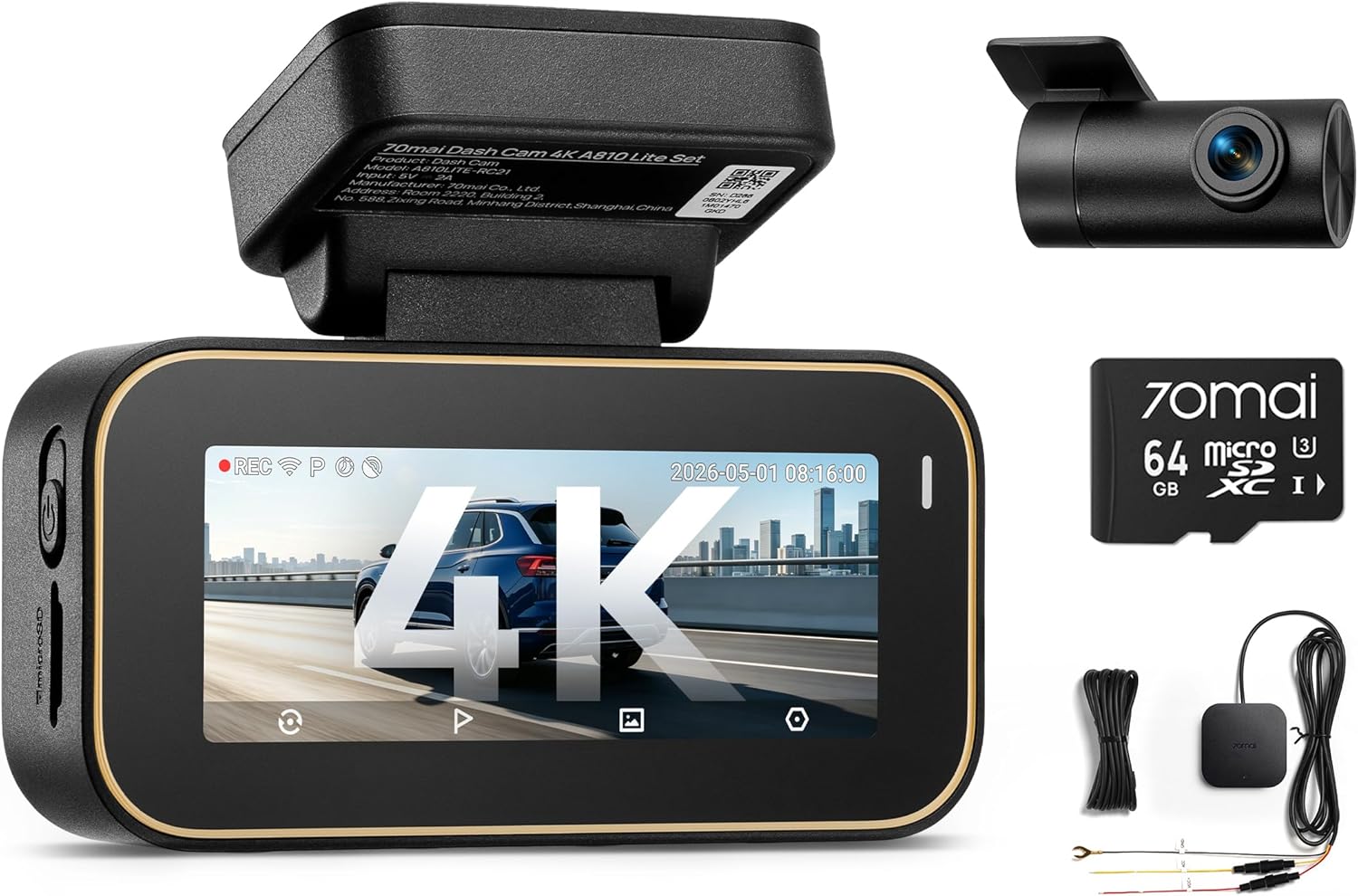
70mai Dash Cam A810 Review: The $100 4K Dashcam with Sony Starvis 2
70mai A810 dashcam offers 4K 30fps recording with Sony IMX675 Starvis 2 sensor, built-in GPS, and ADAS features at $99.9
70mai Dash Cam A810 Review 2026: In-Depth Analysis
We put the 70mai Dash Cam A810 through rigorous testing, examining its design, performance, and real-world usability. Xi

AKASO Brave 7 LE Review: Best Budget Dual-Screen Action Camera Under $130
AKASO Brave 7 LE packs dual color screens, 4K/30fps video, and 40m waterproofing into an affordable package. At ¥699–899

Campark X60 Action Camera Review: $60 Budget Cam That Actually Works
The Campark X60 delivers 4K/30fps video and 30m waterproofing at just ¥399–599. While it makes compromises on stabilizat
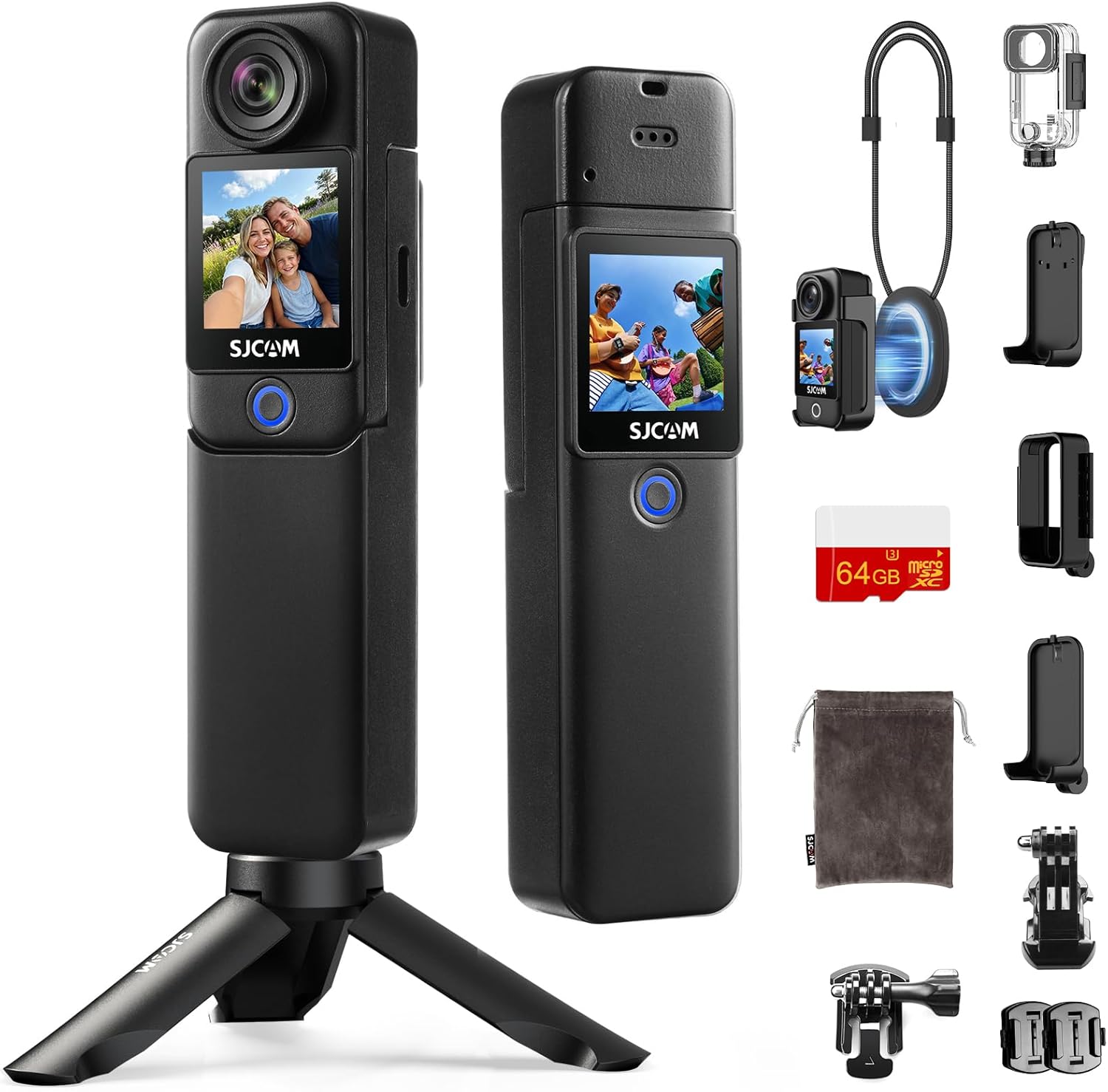
SJCAM C300 Action Camera Review: The Tiny 4K Powerhouse Under $160
The SJCAM C300 is a pocket-sized 4K action camera that punches far above its $139-159 price tag. With 6-axis EIS, dual s