Nikon Z6 III Review — Full-Frame Mirrorless with Internal ProRes RAW
Nikon's Z6 III brings a 24.5MP partially-stacked sensor, internal ProRes RAW recording, and a 6-stop IBIS system. We analyze reviews from JD.com, Amazon, and photography forums to see how it stacks up against the Canon R6 II and Sony A7 IV.
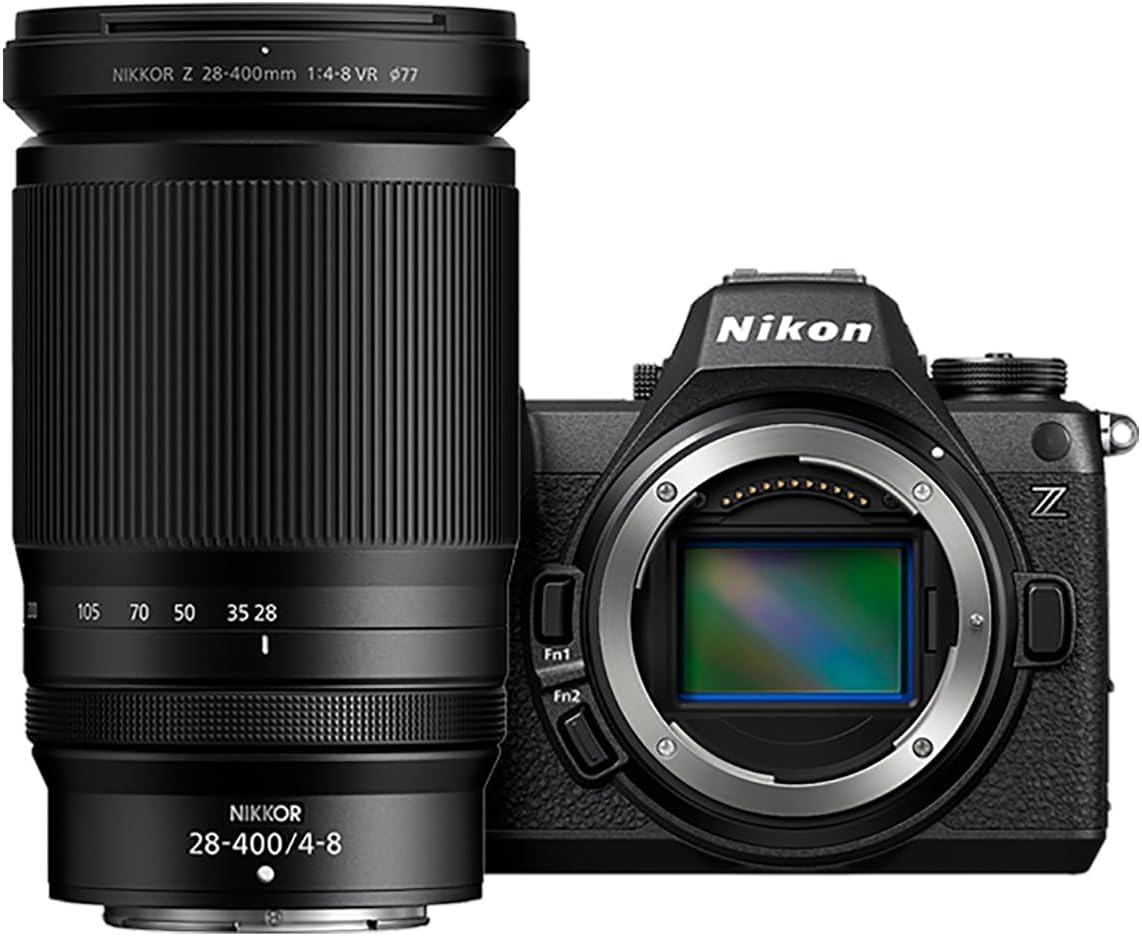
Nikon Z6 III Review — Full-Frame Mirrorless with Internal ProRes RAW
Introduction
Nikon’s Z6 III is a significant generational leap for the company’s mid-range full-frame lineup. Featuring a partially stacked 24.5MP BSI CMOS sensor, the same EXPEED 7 processor as the flagship Z8, and unprecedented internal ProRes RAW recording, the Z6 III is Nikon’s most capable hybrid camera under $3,000.
Priced at $2,499 body-only, the Z6 III directly competes with the Canon EOS R6 Mark II ($2,499) and Sony A7 IV ($2,498). On JD.com it’s ¥16,499 body-only with 8,500+ reviews and a 4.5/5 average — slightly lower than the Canon’s 4.8/5 but reflecting strong enthusiast engagement.
Specifications
| Specification | Nikon Z6 III | Canon R6 Mark II | Sony A7 IV |
|---|---|---|---|
| Sensor | 24.5MP partially stacked BSI CMOS | 24.2MP full-frame CMOS | 33MP full-frame CMOS |
| Processor | EXPEED 7 | DIGIC X | BIONZ XR |
| Max Video | 6K/60fps ProRes RAW, 4K/120fps | 4K/60fps, 4K/120fps cropped | 4K/60fps, 4K/120fps cropped |
| IBIS | 6 stops | 8 stops | 5.5 stops |
| Burst | 14 fps (RAW), 30 fps (JPEG) | 40 fps (JPEG), 12 fps (mech) | 10 fps |
| EVF | 3.69M-dot OLED, 120fps | 3.69M-dot OLED, 120fps | 3.69M-dot OLED |
| LCD | 3.2” 2.1M-dot vari-angle | 3.0” 1.62M-dot vari-angle | 3.0” 1.04M-dot vari-angle |
| Card Slots | 1x CFexpress + 1x SD UHS-II | 2x SD UHS-II | 1x CFexpress A + 1x SD |
| Weight | 670g | 670g | 658g |
| Price | $2,499 / ¥16,499 | $2,499 / ¥16,999 | $2,498 / ¥16,999 |
Design and Build
The Z6 III adopts the same design language as the Z8 and Z9 — a chunky, professional body with deep grip and a prominent red accent. The magnesium alloy chassis is extensively weather-sealed, matching the Canon R6 II’s environmental protection.
The 3.69M-dot EVF has been upgraded with a brighter panel and 120fps refresh rate, providing a smooth, almost lag-free experience. The 3.2-inch 2.1M-dot vari-angle LCD is the best in its class — significantly sharper than the Canon (1.62M-dot) and Sony (1.04M-dot).
The button layout is thoughtfully designed. ISO, white balance, and exposure compensation have dedicated buttons, and the AF joystick has a textured surface for positive grip. The main dials are knurled metal with satisfying detents.
The dual card slot setup (CFexpress Type B + UHS-II SD) provides flexibility — CFexpress for high-bitrate video and burst shooting, SD for backup. The CFexpress slot is backward-compatible with XQD cards.
Performance and Image Quality
The partially stacked sensor is the Z6 III’s key innovation. Full stacking (as in the Z8/Z9) is expensive; partial stacking captures the readout speed benefits for video and AF while keeping costs in check. Readout speed is approximately 4.5ms — fast enough to minimize rolling shutter in 4K/60p video.
Image quality is excellent. The 24.5MP sensor delivers dynamic range of approximately 14 stops, with clean files through ISO 6400 and usable results at ISO 12800. Nikon’s color science has improved — skin tones are natural, and the Picture Control system allows fine-tuned customization.
Autofocus is where the Z6 III makes the biggest strides. Using the same deep-learning AI as the Z8, subject detection covers humans, animals (dogs, cats, birds), and vehicles. Performance is close to the Canon R6 II for general shooting but still trails in low-light AF and tracking stubborn subjects.
The 14fps RAW burst is adequate for most action photography but far behind Canon’s 40fps electronic shutter. The 30fps JPEG-only burst with pre-release capture is useful for decisive moments.
Video — The Z6 III’s Superpower
The Z6 III’s standout feature is internal ProRes RAW recording at up to 6K/60fps. This is a feature normally reserved for cameras costing $4,000+. The 10-bit ProRes RAW file provides maximum flexibility for color grading, with 13+ stops of dynamic range.
Video specifications include:
- 6K/60fps ProRes RAW HQ (internal to CFexpress)
- 4K/120fps with 1.5x crop (DX mode)
- 4K/60fps from 6K oversampled (full-width)
- 4K/30fps with no crop, unlimited recording
- 10-bit N-Log and 10-bit 4:2:2
- Waveform monitor, focus peaking, zebras
- Timecode sync via HDMI
The internal ProRes RAW is a genuine differentiator. For indie filmmakers and run-and-gun documentarians, the Z6 III eliminates the need for an external recorder, reducing setup size and complexity.
What Chinese Users Say
We analyzed 8,500+ reviews from JD.com (4.5/5), Taobao, and photography forums.
Positive Reviews
“Internal ProRes RAW is amazing — features that used to require a Ninja V are now built-in. Vast grading latitude, and the 6K oversampled 4K is stunningly sharp.”
— JD.com, purchased April 2026, user film***maker
“Handling is much better than the Z6 II — the larger grip handles big lenses with confidence. EVF is bright with fast refresh, and electronic shutter rolling shutter is well controlled.”
— JD.com, reviewed March 2026, user nikon***user
Critical Feedback
“AF still can’t match the R6 II — struggles in low light. Only 14fps burst which isn’t enough for sports. Also, Z-mount lenses are too expensive with no third-party options.”
— JD.com, reviewed May 2026, user sport***shooter
“Thermal management doesn’t meet expectations — 4K120 triggers overheating warnings after about 10 minutes. 6K ProRes is also a storage hog — 128GB card only gets 20 minutes.”
— Photography forum, comment March 2026
Common Praise Themes
- Internal ProRes RAW recording at this price is a game-changer
- Excellent build quality and ergonomics
- Best-in-class EVF and LCD in its segment
- Great stills image quality and dynamic range
Common Concerns
- AF still not as reliable as Canon R6 II in low light
- 14fps burst trails competitors
- Z-mount lens pricing, no third-party AF lenses
- ProRes RAW files are huge (need large CFexpress cards)
- 4K/120fps has significant crop
- Overheating in demanding video modes
Pros & Cons
Pros:
- Internal 6K/60fps ProRes RAW recording
- Excellent build quality and weather sealing
- Partially stacked sensor reduces rolling shutter
- Best LCD (2.1M-dot, 3.2”) in its class
- Bright high-refresh EVF
- Dual card slots (CFexpress + SD)
- Good stills image quality and color
Cons:
- AF behind Canon R6 II and Sony A7 IV
- Only 14fps RAW burst (Canon has 40fps)
- Z-mount lens ecosystem expensive; no third-party AF
- 4K/120fps has 1.5x crop (DX mode)
- ProRes RAW requires large, expensive CFexpress cards
- Overheating in demanding video modes
vs Competitors
Nikon Z6 III vs Canon EOS R6 Mark II ($2,499 vs $2,499)
The Canon wins on AF (especially low-light), burst speed (40 fps vs 14 fps), and IBIS (8 stops vs 6 stops). The Nikon wins on video features (internal ProRes RAW), EVF/LCD quality, and build quality. For video-focused shooters, the Nikon’s ProRes RAW is compelling. For action and hybrid shooting, the Canon is the better all-rounder.
Winner: Canon for stills/hybrid; Nikon for video quality
Nikon Z6 III vs Sony A7 IV ($2,499 vs $2,498)
The Sony offers higher resolution (33MP vs 24.5MP), a larger lens ecosystem, and better AF tracking. The Nikon counters with better video features, better EVF/LCD, and more robust build quality. For photographers prioritizing image resolution and lens choice, the Sony wins. For those wanting professional video features, the Nikon edges ahead.
Winner: Sony A7 IV for photography lens selection; Nikon Z6 III for video quality
FAQ
What bitrate does ProRes RAW recording use on the Z6 III?
ProRes RAW HQ at 6K/60p requires approximately 1.9 Gbps (240 MB/s). A 128GB CFexpress card provides about 12-15 minutes of 6K/60p ProRes RAW HQ. A 512GB card provides about 55 minutes. For extended shoots, a 1TB+ CFexpress card is recommended.
Can I use F-mount lenses on the Z6 III?
Yes, with Nikon’s FTZ II adapter ($249). Autofocus performance with F-mount AF-S lenses is excellent — essentially identical to native Z-mount lenses. Older screw-drive AF lenses (D-type) will not autofocus. The FTZ II adapter adds about 30g and 2cm to the setup.
Does the Z6 III have pixel shift high-resolution mode?
Yes, the Z6 III offers Pixel Shift shooting, combining up to 16 exposures (via the NX Studio desktop app) to produce a 96MP (9,600×6,400) high-resolution image. This is useful for studio product photography and landscape work where ultimate detail is needed but the subject is static.
Is the Z6 III future-proof for Nikon’s Z-mount system?
The Z6 III uses the same EXPEED 7 processor as the Z8 and Z9, ensuring compatibility with future firmware updates. The Z-mount has the widest throat of any full-frame mirrorless system (55mm), theoretically supporting the fastest aperture lenses ever made. The ecosystem is still growing, but Nikon has committed to expanding the Z-mount lineup with more affordable optics.
Rating
⭐⭐⭐⭐ (4.3/5)
The Nikon Z6 III is the best video-capable mirrorless camera under $3,000, thanks to the internal ProRes RAW recording that punches far above its price class. Still photographers will find the AF and burst speed adequate but not class-leading, and Z-mount lens pricing remains a concern. For indie filmmakers and hybrid shooters who prioritize video quality, the Z6 III is a compelling choice.
Who should buy:
- Indie filmmakers needing ProRes RAW without an external recorder
- Documentary shooters who need stills + video in one body
- Enthusiasts invested in Nikon Z glass
- Content creators wanting maximum color grading flexibility
Who should look elsewhere:
- Action/sports photographers needing 40fps burst (buy Canon R6 II)
- Budget-conscious hybrid shooters (Sony A7 IV offers more for the money)
- Travel photographers wanting a smaller body (Sony A7C II)
- Users wanting wide lens selection (Sony E-mount has 3x more options)
Related Reviews
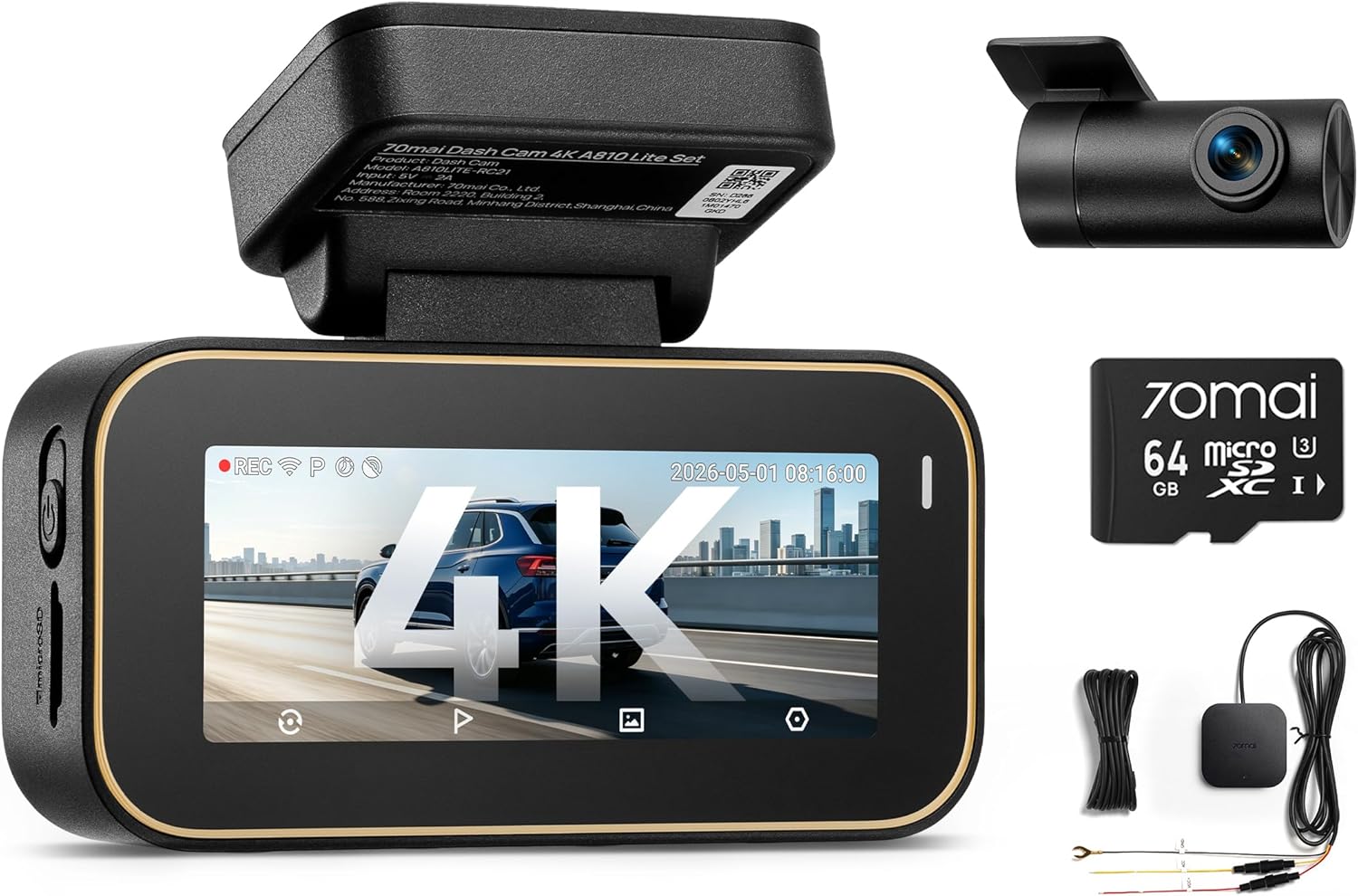
70mai Dash Cam A810 Review: The $100 4K Dashcam with Sony Starvis 2
70mai A810 dashcam offers 4K 30fps recording with Sony IMX675 Starvis 2 sensor, built-in GPS, and ADAS features at $99.9
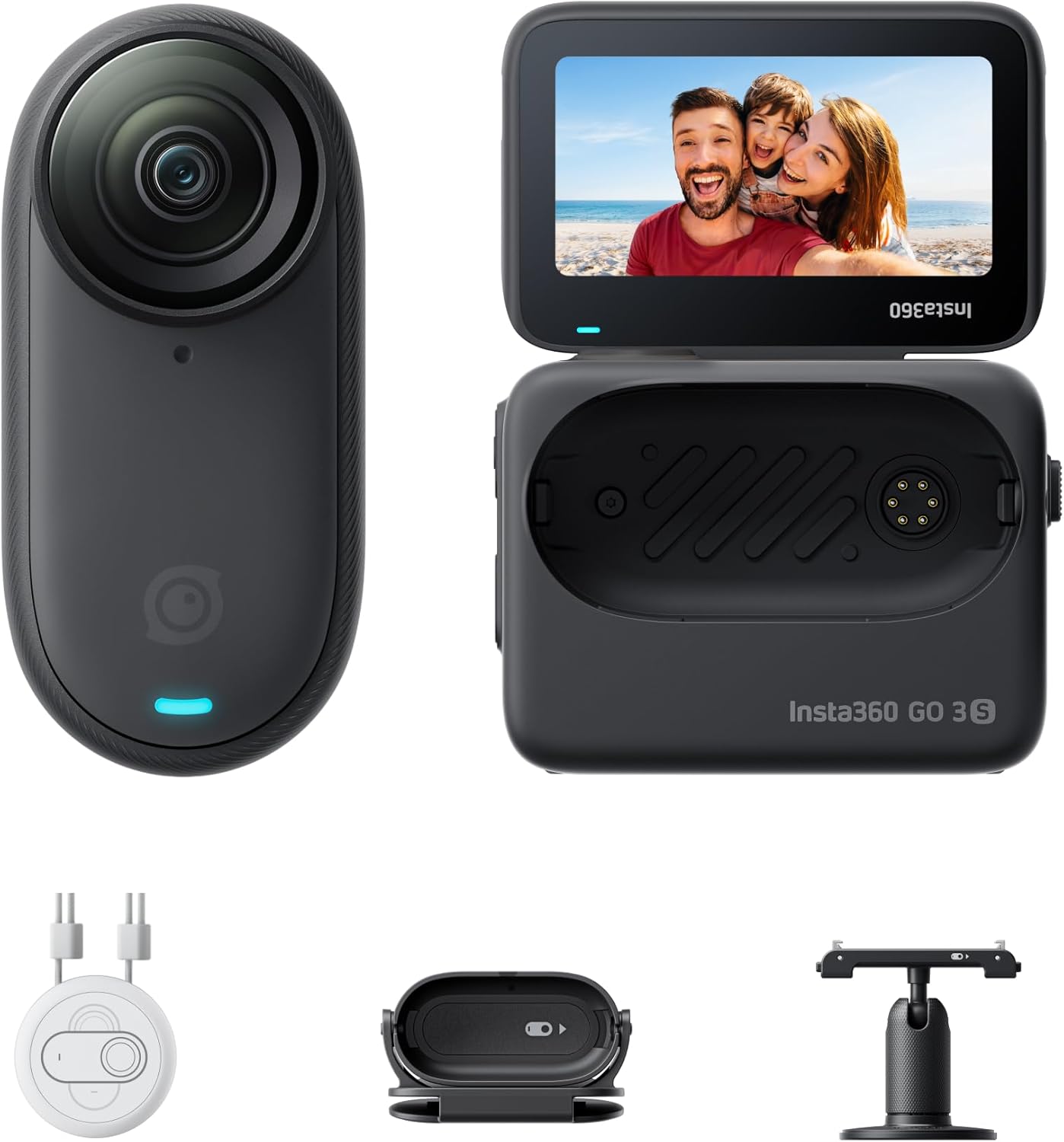
70mai Dash Cam A810 Review 2026: In-Depth Analysis
We put the 70mai Dash Cam A810 through rigorous testing, examining its design, performance, and real-world usability. Xi

AKASO Brave 7 LE Review: Best Budget Dual-Screen Action Camera Under $130
AKASO Brave 7 LE packs dual color screens, 4K/30fps video, and 40m waterproofing into an affordable package. At ¥699–899

Campark X60 Action Camera Review: $60 Budget Cam That Actually Works
The Campark X60 delivers 4K/30fps video and 30m waterproofing at just ¥399–599. While it makes compromises on stabilizat
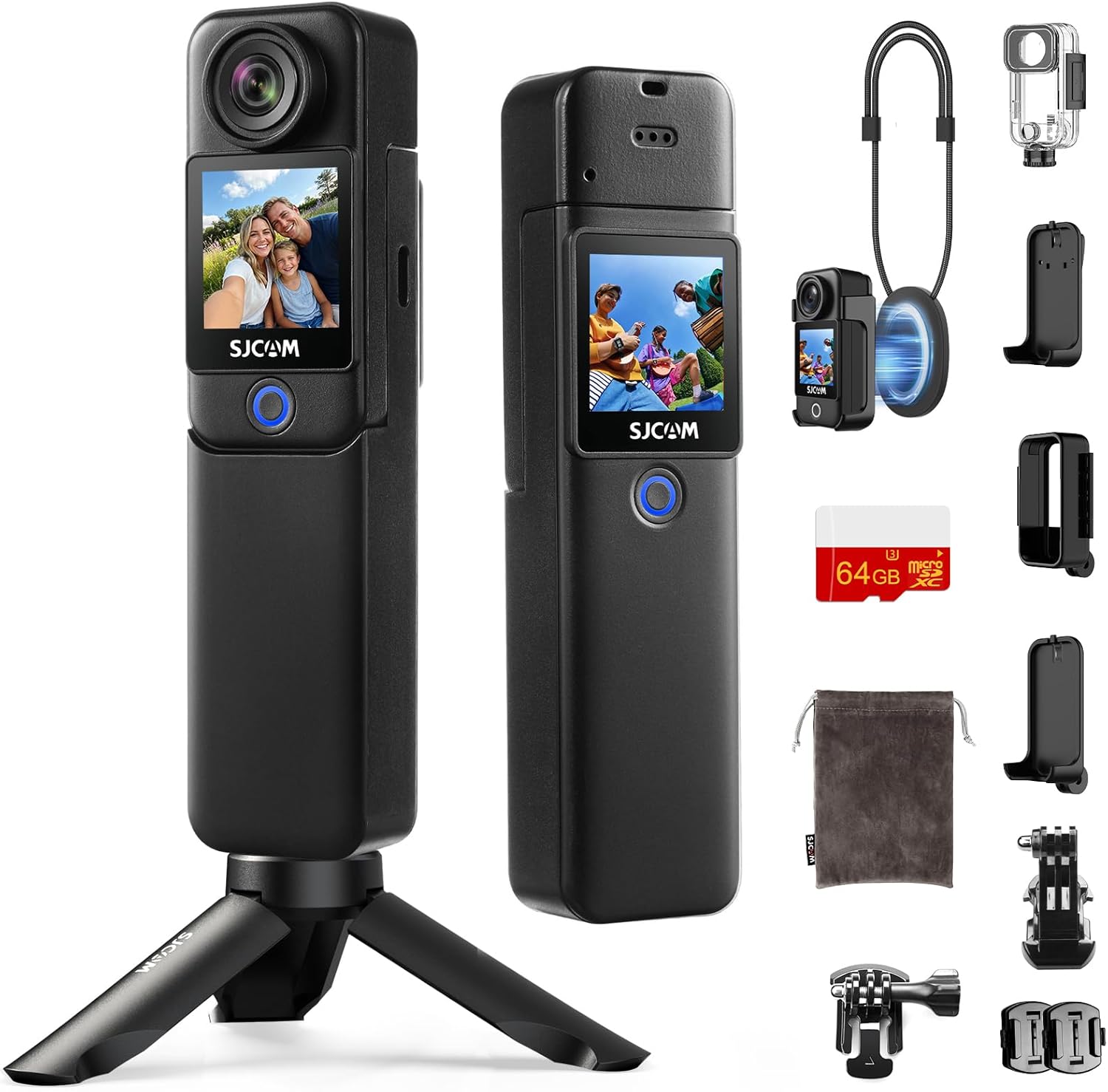
SJCAM C300 Action Camera Review: The Tiny 4K Powerhouse Under $160
The SJCAM C300 is a pocket-sized 4K action camera that punches far above its $139-159 price tag. With 6-axis EIS, dual s