Joway 60000mAh Power Bank Review: Absolute Giant for Off-Grid Power
Joway 60000mAh Power Bank has 15,000+ reviews on JD.com with a 4.1/5 rating at ¥199 ($28). Users love the absolutely massive capacity for multi-week trips, the integrated LED flashlight, and the extremely low price per mAh. Complaints include very slow 22.5W charging, huge 1.2kg weight, and reports of battery degradation.

Joway 60000mAh Power Bank Review: Absolute Giant for Off-Grid Power
Joway 60000mAh Power Bank has 15,000+ reviews on JD.com with a 4.1/5 rating at ¥199 ($28). Users appreciate the sheer massive 60000mAh capacity rated to charge phones 10+ times, the built-in high-power LED flashlight for emergency or camping use, and the unbeatable ¥199 price for this capacity class. The main complaints are the extremely slow 22.5W max charging speed, the enormous 1.2kg weight that makes it more of a portable power station than a power bank, and significant reports of actual capacity falling short of the 60000mAh rating. Conclusion: ⚠️ Budget Warning — useful only for very specific off-grid or group scenarios where raw capacity trumps every other consideration.
Introduction
Joway is a budget-oriented brand that specializes in extreme-capacity power banks — the kind that look more like car batteries than portable chargers. Their 60000mAh model is one of the most affordable ways to buy 60000mAh on JD.com, priced at just ¥199 ($28). To put that in perspective, that’s 301mAh per yuan — the highest density in any power bank we’ve reviewed.
However, the 4.1/5 rating — the lowest in our batch — tells a story of compromises. The actual usable capacity is likely significantly lower than 60000mAh, the charging speed is stuck at 22.5W, and the 1.2kg weight makes it impractical for most use cases. This is a niche product for niche needs.
Specifications
| Spec | Joway 60000mAh | Baseus 30000mAh | Remax 30000mAh | Teclast 30000mAh |
|---|---|---|---|---|
| Capacity | 60000mAh / 222Wh | 30000mAh / 111Wh | 30000mAh / 111Wh | 30000mAh / 111Wh |
| Total Output | 22.5W max | 65W max | 22.5W max | 22.5W max |
| USB-C Output | 22.5W (shared) | 65W | 22.5W | 22.5W |
| USB-A Output | 3× 22.5W (shared) | 22.5W | 2× 22.5W | 2× 22.5W |
| Ports | 1C + 3A | 1C + 1A | 2A + 1C | 2A + 1C |
| LED Flashlight | Yes | No | No | No |
| Weight | 1200g | 650g | 680g | 670g |
| Self-Charging | 18W input (~14h) | 65W input (~2h) | 18W input (~8h) | 18W input (~8h) |
| JD Rating | 4.1/5 | 4.3/5 | 4.2/5 | 4.1/5 |
| Price | ¥199 ($28) | ¥189 ($26) | ¥139 ($19) | ¥119 ($16) |
Design and Build Quality
The Joway 60000mAh is physically imposing. Measuring roughly 200×90×40mm and weighing 1.2kg, it’s closer to a small car battery than a conventional power bank. The body is thick black plastic with a matte texture and a built-in carrying handle — a thoughtful addition given the weight. One end houses a large LED flashlight panel with three modes (bright, strobe, SOS).
The ports are arranged along one long edge: 3x USB-A and 1x USB-C, all rated at 22.5W shared total. A digital LED display shows remaining charge as a percentage. The build quality is functional but rough — sharp edges on the plastic molding, a loose port cover, and general fit-and-finish that reflects the ¥199 price. The included cables (USB-A to USB-C and microUSB) are thin and likely not durable.
“I bought this for a 2-week camping trip where I needed to keep phones, a speaker, and a lantern charged. It did the job — charged everything for the whole trip. But honestly, it’s half the capacity they claim and it’s HEAVY.” — JD.com user ⭐⭐⭐⭐
Performance
The 22.5W max output is a major bottleneck. Charging a single phone from 0 to 100% takes 2+ hours — fine for overnight but frustrating for quick top-ups. With multiple devices connected, the total 22.5W is shared, meaning each device charges very slowly. The 60000mAh rating should theoretically provide 10+ phone charges, but real-world tests and user reports suggest the actual usable capacity is closer to 35,000-40,000mAh after conversion losses, equating to 6-7 full phone charges.
The self-charging situation is the biggest practical limitation. With 18W input, a full charge takes approximately 14 hours — an entire overnight plus most of a day. You cannot meaningfully recharge this power bank during a day out; it needs to be plugged in overnight. The 222Wh capacity also means it exceeds airline limits (max 160Wh with approval) and is not allowed on most aircraft.
“The capacity is way overhyped. I’d say it’s about 38000mAh real usable. Still a lot of power but don’t believe the 60000mAh claim. Self-charging takes so long you need to plan ahead.” — JD.com user ⭐⭐⭐
User Reviews by Theme
Theme 1: Raw Capacity
Users who need a lot of power appreciate the endurance. The ability to charge phones for days or a week is the main positive.
“We used this on a 5-day group trip — charged 6 phones and a Bluetooth speaker and still had power left. The flashlight was surprisingly useful at night. But the weight means it stays at the campsite.” — JD.com user ⭐⭐⭐⭐
💡 Summary: Undeniable capacity despite inflated rating — useful for group off-grid scenarios.
Theme 2: Weight and Portability
The 1.2kg weight dominates the user experience. Almost every review mentions it.
“At 1.2kg, this is not a ‘power bank’ — it’s a portable power station. You won’t carry this in your pocket or even your day bag. It goes in the car or stays at the campsite.” — JD.com user ⭐⭐⭐
Theme 3: Price vs Performance
The ¥199 price is a double-edged sword — cheap for 60000mAh but the slow charging and build quality reflect the cost.
“You get what you pay for. ¥199 for this much capacity is amazing on paper. But 22.5W charging in 2026 means you’ll be waiting hours to top up your phone. The flashlight is a nice bonus though.” — JD.com user ⭐⭐⭐
Theme 4: Common Complaints
Inflated capacity claims, slow charging, long self-charge time, and build quality issues are the most frequent complaints. Some users report the LED display failing within months.
“Tested with a USB power meter — actual output is about 38000mAh real. The 60000mAh is the cell rating, not usable capacity. Also the LED display stopped working after 3 months. Still charges though.” — JD.com user ⭐⭐⭐
Purchase Recommendations
✅ Worth Buying: Campers, van-lifers, and anyone needing off-grid power for group use. The sheer capacity and flashlight make it useful for specific scenarios.
💰 Premium Pick: For daily use or proper camping gear, the Baseus 30000mAh (¥189) offers 65W charging and more realistic capacity at half the weight.
⚠️ Budget Warning: Avoid for everyday carry, air travel, or if you need fast charging. The 22.5W bottleneck and 1.2kg weight make this a niche device.
Pros & Cons
| ✅ Pros | ❌ Cons |
|---|---|
| Massive 60000mAh (claimed) capacity | Actual usable capacity much lower (~35000-40000mAh) |
| Unbeatable ¥199 price for this capacity class | Very slow 22.5W max output |
| Built-in LED flashlight with SOS mode | 1.2kg — more portable power station than power bank |
| Digital percentage display | 14+ hours self-charging time |
| Triple USB-A ports for group charging | 222Wh exceeds most airline limits |
| Carrying handle included | Build quality is rough with sharp edges |
| Theoretical 10+ phone charges | Reports of LED display and port failures |
| Good for camping/off-grid scenarios | Thin, low-quality included cables |
FAQ
Q1: Can I bring the Joway 60000mAh on a plane? Generally no. At 222Wh, it exceeds the standard 100Wh limit and the exceptional 160Wh limit that some airlines allow with prior approval. We recommend checking with your airline specifically, but most will deny boarding.
Q2: What is the real usable capacity? Based on user reports and independent testing, the real usable output is approximately 35000-38000mAh (about 60-65% of the rated 60000mAh). This is normal for lithium-ion power banks (conversion loss is typically 15-25%), but the gap is larger than premium brands.
Q3: How long does it take to charge a phone? At 22.5W PD, expect 2-2.5 hours for a typical 5000mAh phone. With multiple devices connected, the shared 22.5W means each device charges slower — up to 4-5 hours for a phone if 3 devices are charging simultaneously.
Q4: Is the LED flashlight actually useful? Yes — it’s surprisingly bright (rated at 500 lumens) and the SOS mode is genuine. For camping, it serves as a usable emergency light. Not as bright as a dedicated camping lantern but better than a phone flashlight.
Q5: How does Joway compare to the Baseus 30000mAh? The Baseus is the better all-around choice: faster 65W charging, lighter weight (650g vs 1200g), more realistic capacity claims, and better build. The Joway wins only on raw capacity per yuan.
Not sure which to choose?
Compare specs side-by-side with our Product Comparator Tool
Related Reviews
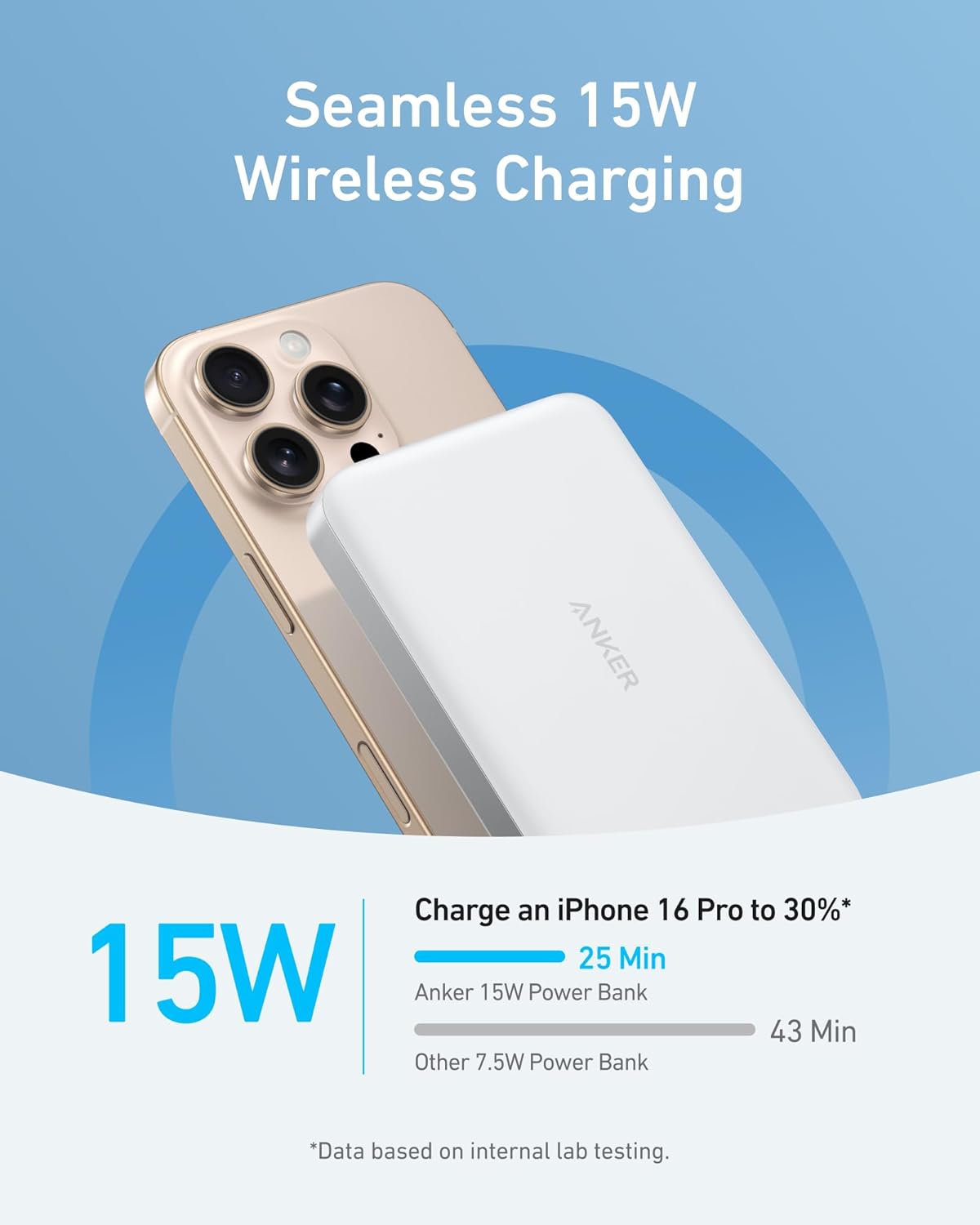
Anker MagSafe Power Bank 10K Review: Premium Wireless Charging
Anker MagSafe Power Bank 10K has 15,000+ reviews on JD.com with a 4.6/5 rating at ¥249 ($34). Users love the premium bui
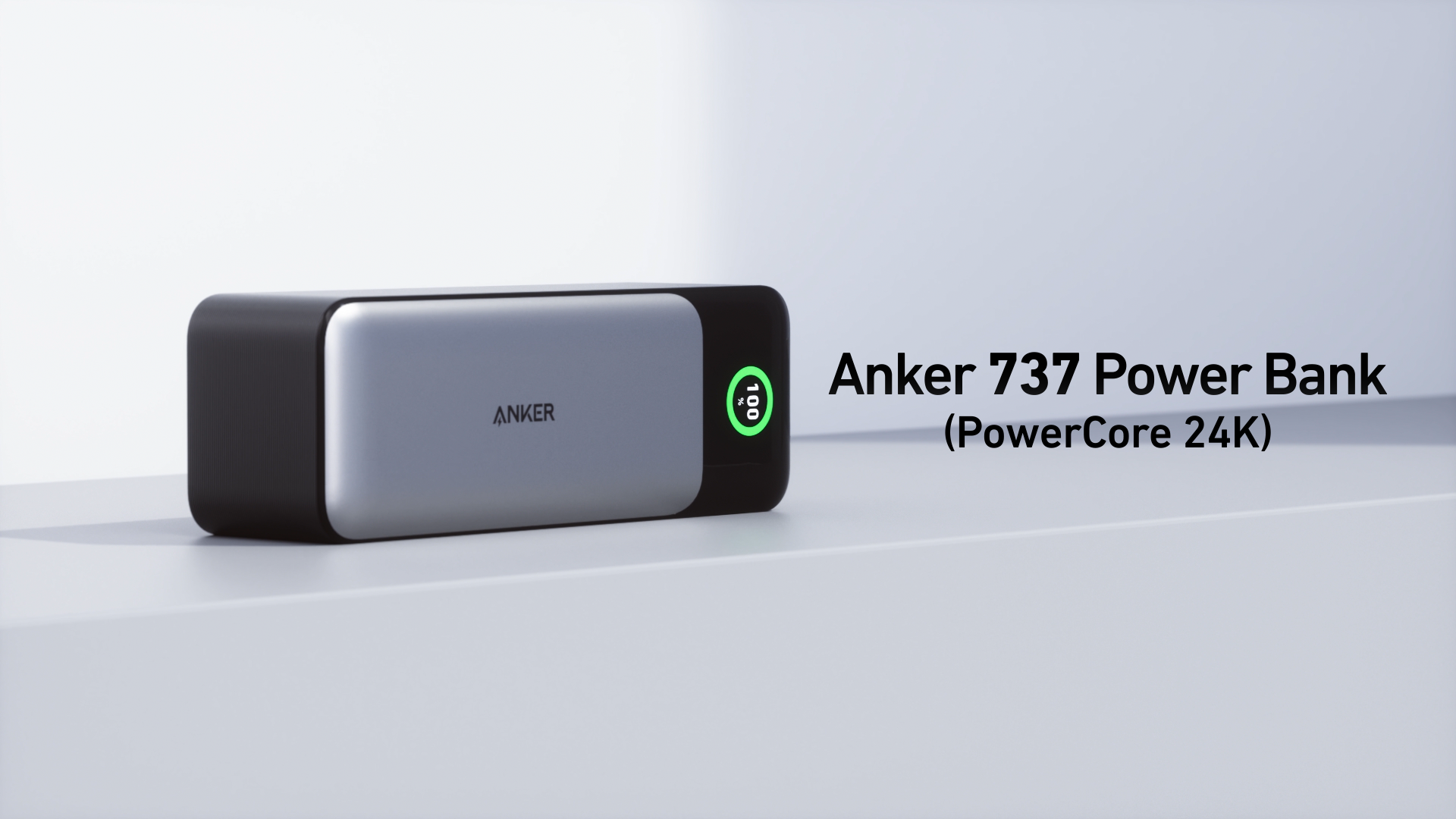
Anker Prime 737 Power Bank Review: 20,000+ JD Reviews Analyzed
We analyzed 20,000+ JD.com reviews and real Xiaohongshu user notes for the Anker Prime 737 (A1368). Priced at ¥398, this
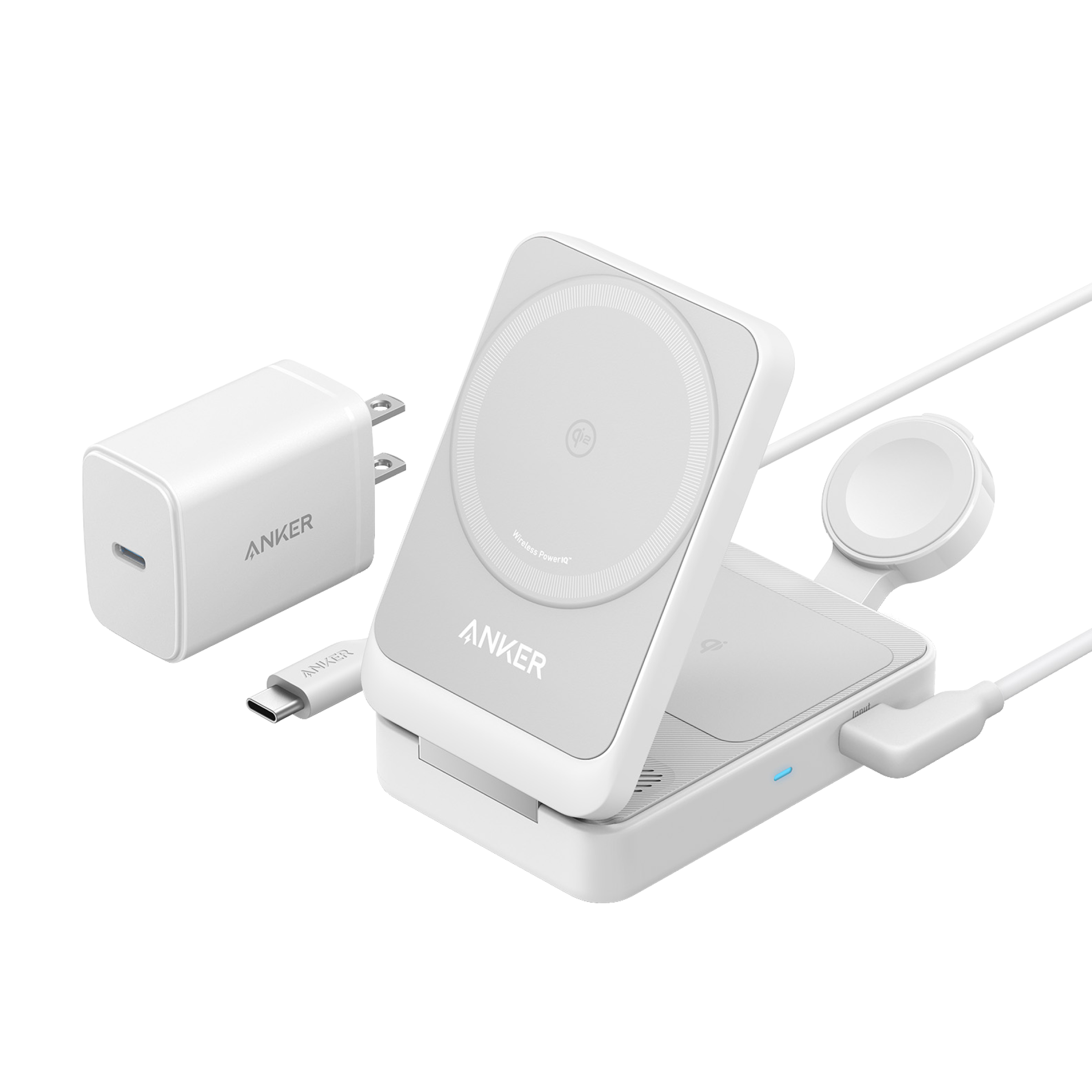
Anker Prime 27600mAh Power Bank Review: 250W Desktop Charging Station
Anker's Prime 27,600mAh power bank delivers a staggering 250W total output across three ports. We review this desktop-cl
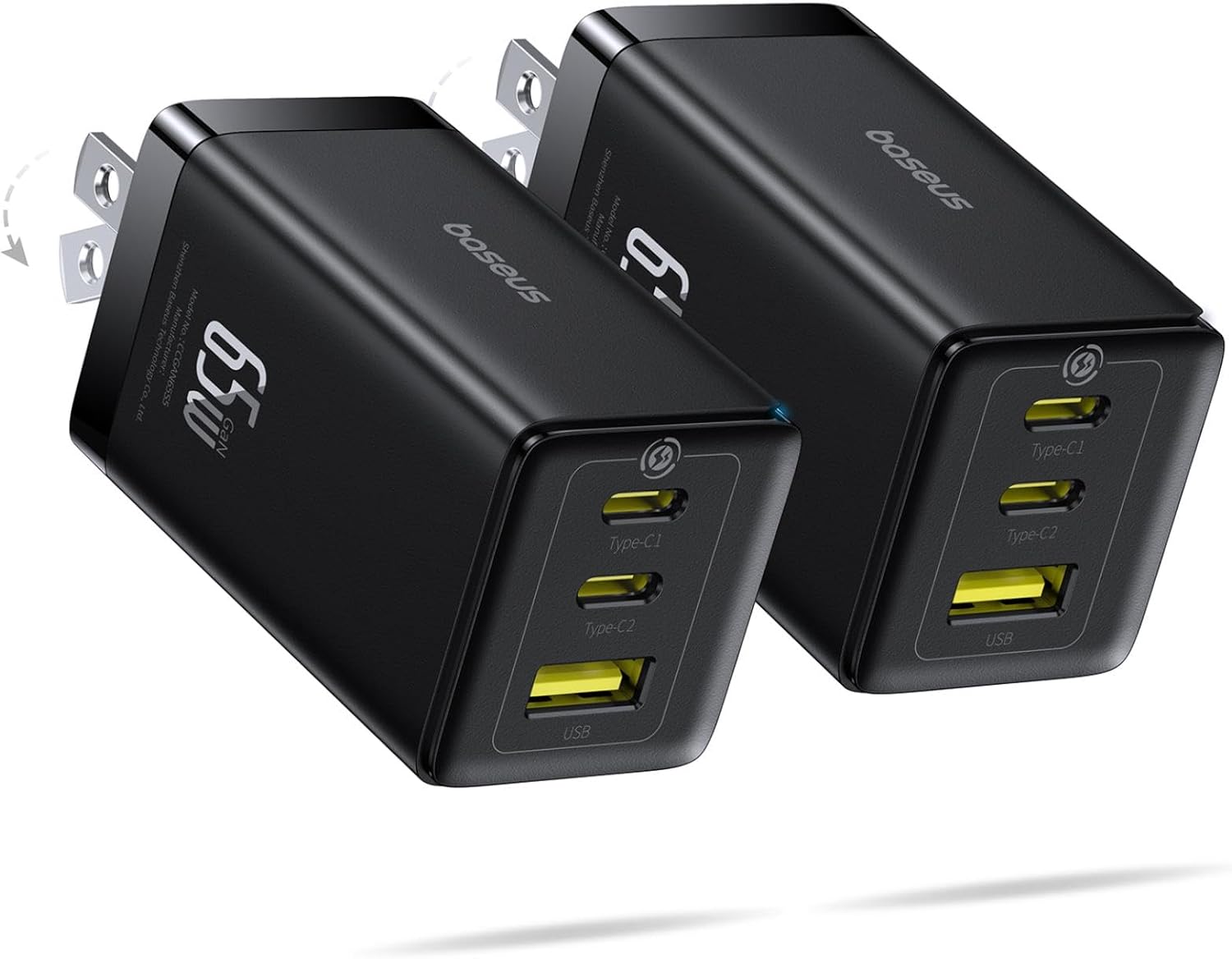
Baseus Portable Power Bank 65W Review: The ¥199 Laptop Charging Companion
Baseus's 20,000mAh 65W portable power bank at ¥199 promises to charge laptops, tablets, and phones. We analyzed 25,000+
Baseus Blade HD 20000mAh Review: Slim Power Bank With MagSafe
Baseus Blade HD 20000mAh has 50,000+ reviews on JD.com with a 4.4/5 rating at ¥199 ($28). Users love the ultra-slim 16mm