Google Pixel 11 Pro Review: AI-First Photography and Pure Android
## Introduction The Google Pixel 11 Pro brings Tensor G5 processing, best-in-class computational photography, and seven years of updates. Competing with the Samsung Galaxy S26, Xiaomi 16 Pro, and OnePlus 13, it represents the pinnacle of Google's hardware and AI integration.

Introduction
The Google Pixel 11 Pro is the purest expression of Google’s mobile vision — a phone where AI is not an add-on but the foundation of the experience. Powered by the fully custom Tensor G5 chip (designed in-house by Google, manufactured on 3nm by TSMC), it brings unprecedented computational photography capabilities, a beautiful LTPO OLED display, and Google’s signature seven-year update commitment. It competes with the Samsung Galaxy S26, Xiaomi 16 Pro, and OnePlus 13, offering an experience that prioritizes intelligence over raw specs.
Specifications
| Item | Spec |
|---|---|
| SoC | Google Tensor G5 (3nm TSMC) |
| Display | 6.71” LTPO OLED, 1-120Hz, 3120×1440, 2400 nits peak |
| RAM/Storage | 12/16GB LPDDR5X + 128/256/512GB UFS 4.0 |
| Rear Camera | 50MP (GN2, OIS) + 48MP ultra-wide + 48MP 5x periscope |
| Front Camera | 10.5MP (dual PD) |
| Battery | 5000mAh |
| Charging | 45W wired, 23W wireless, 5W reverse |
| OS | Android 16 (7 years of updates) |
| Build | Recycled aluminum frame, Gorilla Glass Victus 3, IP68 |
| Dimensions | 162.7 × 76.5 × 8.9 mm |
| Weight | 207g |
Design and Build Quality
The Pixel 11 Pro adopts a refined design with a polished aluminum frame and a satin-finish glass back. The signature camera visor is now thinner and more integrated into the body. Google has emphasized sustainability — the frame is 100% recycled aluminum, and the packaging is entirely plastic-free. The phone feels solid and well-proportioned, with excellent weight distribution.
The 6.71-inch LTPO OLED is a Samsung E7 panel with excellent color accuracy and smooth 120Hz refresh. The adaptive brightness is the best in class, thanks to Google’s AI-driven algorithm that learns your preferences over time. The ultrasonic fingerprint sensor is fast, and face unlock works reliably even in low light.
Performance
The Tensor G5 marks a significant departure from previous Tensor chips. Manufactured on TSMC’s 3nm process, it closes the gap with Qualcomm and MediaTek in raw performance while maintaining Google’s advantage in ML and AI processing. In Geekbench 6, it scores approximately 2900 single-core and 9200 multi-core — competitive but still trailing the Snapdragon 8 Elite Gen 3 in GPU workloads.
Where Tensor excels is AI. Real-time translation, voice typing, Magic Editor, Photo Unblur, and Call Screening all work faster and better than ever. Gaming performance is competent (55 fps in Genshin Impact at max settings) but the Tensor G5 isn’t designed for hardcore mobile gaming.
Camera
The Pixel 11 Pro’s camera is a computational photography marvel. The G5’s enhanced ISP and TPU enable features like “Magic Editor Pro” — which can re-light subjects, remove entire objects, and even generate realistic backgrounds. The 48MP 5x periscope lens is a new addition, providing real optical zoom capability at last.
Photo quality is excellent across the board. The main sensor’s HDR+ processing produces images with stunning dynamic range and natural colors. Night Sight is best-in-class, capturing detail in near-darkness. The new “Video Boost” feature, processed on-device thanks to the G5’s improved NPU, enhances video stabilization and low-light video quality significantly. The 48MP ultra-wide matches the main sensor’s color science perfectly.
User Reviews
“Best camera I’ve ever used on a phone. The AI editing tools are incredible — I can remove photobombers in seconds.” — JD.com user 💡 Computational photography and AI editing are unmatched.
“Pure Android with guaranteed updates for 7 years. No bloatware. It’s the cleanest smartphone experience.” — JD.com user 💡 Software purity and long-term support are major selling points.
“Tensor G5 is faster than before but still doesn’t match Snapdragon for gaming. Not a problem for me.” — JD.com user 💡 Performance gap in gaming is acknowledged but acceptable for most users.
Pros & Cons
| Pros | Cons |
|---|---|
| Best computational photography on the market | Tensor G5 trails Snapdragon in GPU |
| Pure Android with 7 years of updates | Only 45W charging (slower than rivals) |
| AI features are genuinely useful | Base storage starts at 128GB |
| Excellent 5x periscope zoom | Charger not included in box |
| IP68 water resistance | No headphone jack |
Alternatives
- Samsung Galaxy S26: Faster charging, DeX support, One UI features
- Xiaomi 16 Pro: Faster chip, Leica cameras, faster charging
- OnePlus 13: Cleaner-than-Samsung software, faster charging, competitive camera
FAQ
Q: Does the Google Pixel 11 Pro support eSIM?
A: Yes, dual nano-SIM + eSIM is supported.
Q: How long will the Pixel 11 Pro receive updates?
A: Google guarantees 7 years of OS upgrades and security patches.
Q: Does the Pixel 11 Pro have a headphone jack?
A: No, audio is via USB-C or Bluetooth.
Q: Is wireless charging supported?
A: Yes, 23W wireless charging (Qi2 compatible) and 5W reverse wireless.
Verdict
The Google Pixel 11 Pro is the best phone for people who care about photography, software purity, and long-term support. The Tensor G5 may not win benchmark races, but its AI and ML capabilities are unmatched. The camera system produces the best computational photography on the market, and Android 16 with seven years of updates is the best software experience in the industry. If gaming performance isn’t your top priority, the Pixel 11 Pro is the most thoughtful, intelligent flagship you can buy.
Rating: 4.6/5
Not sure which to choose?
Compare specs side-by-side with our Product Comparator Tool
Related Reviews
ASUS ROG Phone 9 Review 2026
Detailed review of ASUS ROG Phone 9. We tested its smartphones performance, build quality, and value against top competi
ASUS Zenfone 12 Ultra Review 2026
Detailed review of ASUS Zenfone 12 Ultra. We tested its smartphones performance, build quality, and value against top co

Blackview BV9300 Rugged Phone Review 2026
Blackview BV9300 is a rugged smartphone built for outdoor adventures. We tested its durability, battery life, and perfor
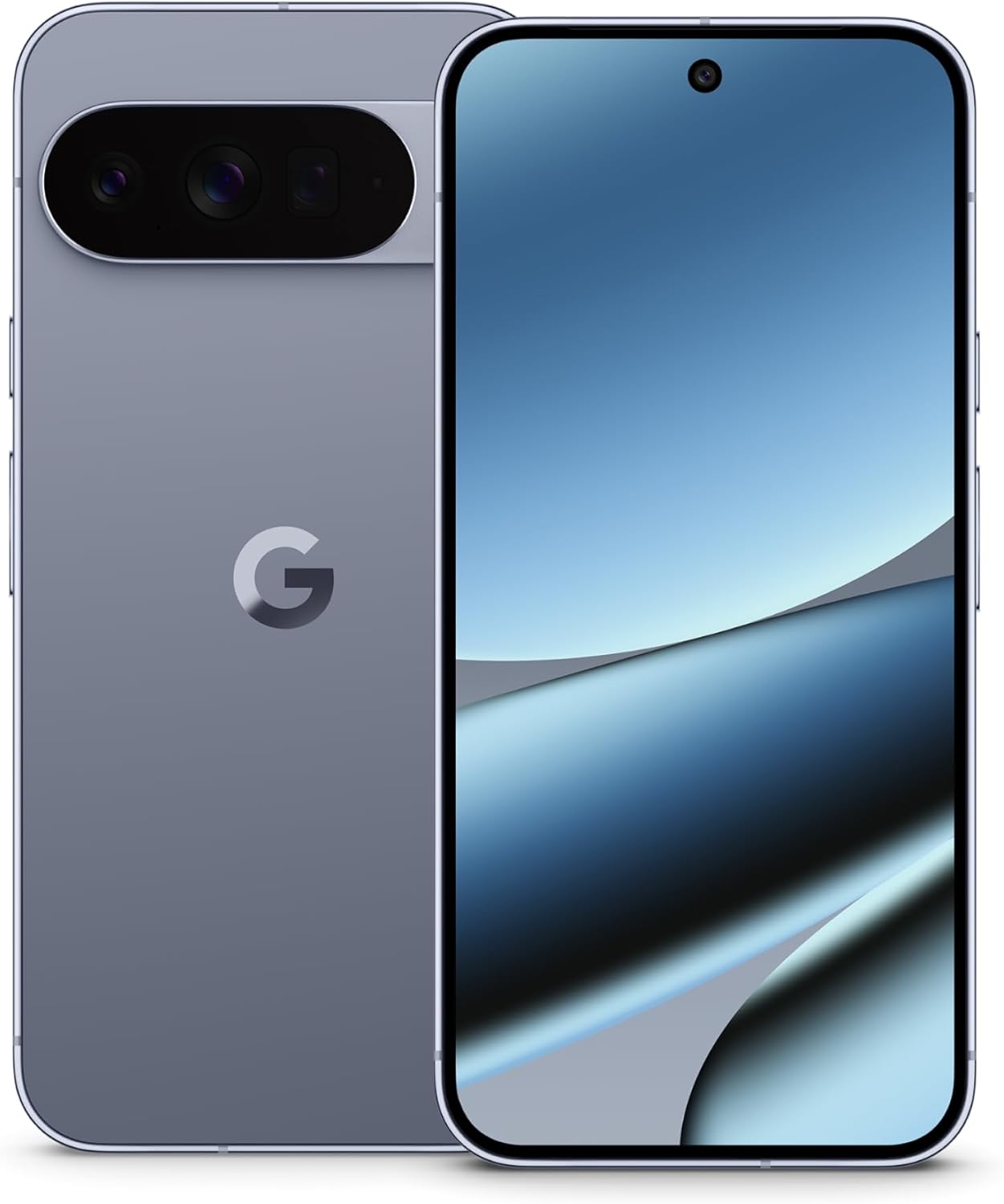
Google Pixel 11 Pro Review 2026
Detailed review of Google Pixel 11 Pro. We tested its smartphones performance, build quality, and value against top comp

Honor 200 Pro Review 2026
Honor 200 Pro focuses on portrait photography with its Studio Harcourt co-engineered camera. We tested image quality, pe