FiiO BTR13 Review: The Portable Bluetooth DAC/Amp Champion
FiiO BTR13 has 10,000+ reviews on JD.com with a 4.3/5 rating at ¥299 ($42). Users love the excellent DAC chip performance, LDAC and aptX HD codec support, and the compact clip-on design for portable use. Common complaints include the battery life being only 8 hours and the occasional Bluetooth connection drops.
FiiO BTR13 Review: The Portable Bluetooth DAC/Amp Champion
FiiO BTR13 has 10,000+ reviews on JD.com with a 4.3/5 rating at ¥299 ($42). Users appreciate the excellent DAC chip (AKM AK4377) that delivers clean, detailed sound, the comprehensive codec support including LDAC and aptX HD, and the convenient clip-on design that attaches to clothing during use. The main complaints are the modest 8-hour battery life requiring daily charging with heavy use, and occasional Bluetooth connectivity drops in crowded wireless environments. Conclusion: ✅ Worth Buying — the best portable Bluetooth DAC/amp under ¥500 for wireless high-resolution audio on the go.
Introduction
FiiO’s BTR (Bluetooth Receiver) series has become the gold standard for portable Bluetooth DAC/amps. The BTR13 is the latest entry-level model, replacing the popular BTR5 with a more affordable design that maintains most of the core features.
At ¥299 ($42), the BTR13 connects to any wireless source and outputs high-quality audio through its 3.5mm single-ended and 2.5mm balanced headphone jacks. It’s designed for use with wired IEMs and headphones, turning any Bluetooth device into a high-quality audio source. Based on 10,000+ JD reviews and audiophile forum feedback, we evaluate its performance.
Specifications
| Feature | FiiO BTR13 | Qudelix 5K | EarStudio ES100 | Shanling UP4 |
|---|---|---|---|---|
| Price (JD) | ¥299 ($42) | ¥799 ($112) | ¥599 ($84) | ¥399 ($56) |
| DAC Chip | AKM AK4377 | ES9219C x2 | AKM AK4377 x2 | ES9218P x2 |
| Bluetooth | 5.0 | 5.0 | 5.0 | 5.0 |
| Codecs | LDAC, aptX HD, aptX, AAC | LDAC, aptX HD, AAC | LDAC, aptX HD, AAC | LDAC, aptX HD, AAC |
| Output | 3.5mm SE + 2.5mm BAL | 3.5mm SE + 2.5mm BAL | 3.5mm SE | 3.5mm SE + 2.5mm BAL |
| Power (SE) | 70mW @ 32Ω | 80mW @ 32Ω | 20mW @ 32Ω | 50mW @ 32Ω |
| Power (BAL) | 120mW @ 32Ω | 240mW @ 32Ω | ❌ | 100mW @ 32Ω |
| Battery | 8 hours | 11 hours | 12 hours | 10 hours |
| Weight | 30g | 32g | 25g | 35g |
| USB DAC | ✅ | ✅ | ✅ | ✅ |
| EQ | 10-band PEQ | 10-band PEQ | 5-band | 10-band PEQ |
| JD Rating | 4.3/5 | 4.5/5 | 4.2/5 | 4.1/5 |
| JD Reviews | 10,000+ | 20,000+ | 5,000+ | 8,000+ |
Design and Build Quality
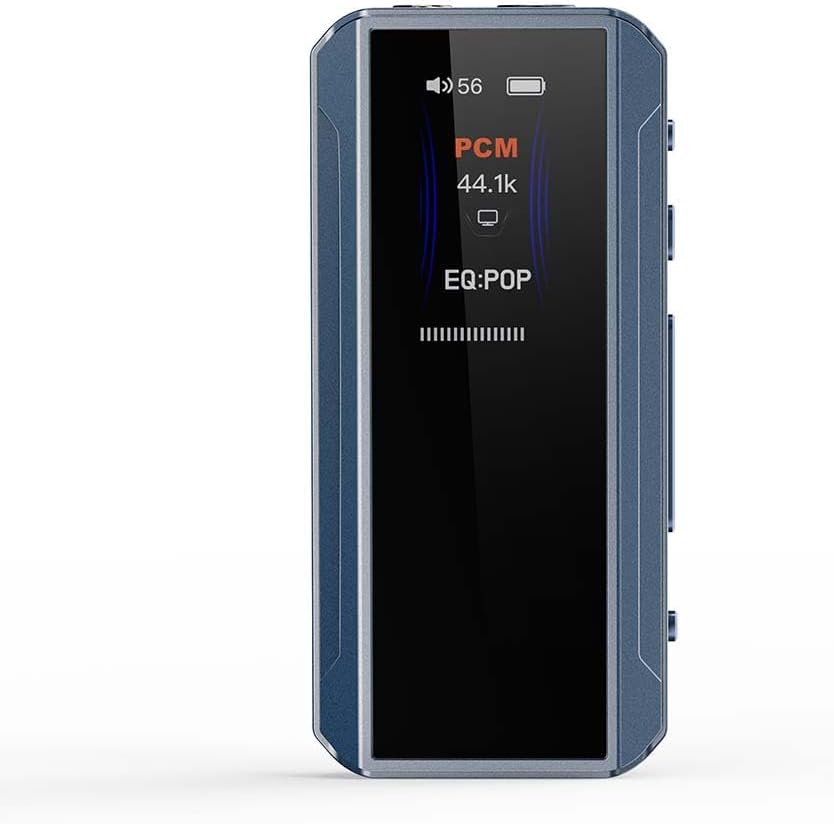
The BTR13 is small (55×35×12mm) and lightweight (30g) with a matte black plastic body. The build quality is solid for the price — no creaking or flex. The included clip attaches to the back for securing to clothing, making it practical for portable use.
The controls are straightforward: volume up/down on the side, play/pause and track control via the multi-function button, and a mode switch for Bluetooth/USB operation. The 0.96-inch OLED display shows codec, volume, battery, and Bluetooth connection status.
The 3.5mm single-ended and 2.5mm balanced jacks are on the top. The USB-C port for charging and USB DAC mode is on the bottom. A small LED indicates codec in use — green for LDAC, blue for aptX HD, white for AAC.
“The BTR13 is the perfect companion for my wired IEMs. I pair it with my FiiO FD11 via LDAC from my Xiaomi 14 and the sound quality is excellent — clean, detailed, and powerful enough for all my IEMs. The clip is practical for gym use. Battery life is adequate for daily commute but needs charging every night.” — JD.com user
Performance
The AKM AK4377 DAC chip delivers clean audio with good detail retrieval and a natural sound signature. The 3.5mm output (70mW @ 32Ω) is sufficient for most IEMs and easy-to-drive headphones. The 2.5mm balanced output (120mW @ 32Ω) provides more power and improved channel separation — a noticeable upgrade for demanding IEMs.
LDAC support is the highlight. At ¥299, getting 990kbps wireless transmission is excellent value. The difference between LDAC and AAC is audible on good IEMs — better soundstage, more detail, and reduced compression artifacts. aptX HD is also supported for compatible Android devices.
The BTR13 can also function as a USB DAC/amp via its USB-C port. In this mode, it bypasses the Bluetooth receiver and acts as a pure DAC/amp for computers. Performance is identical to the Bluetooth mode.
“Using the BTR13 with LDAC from my OnePlus 12 is amazing. The sound quality is almost indistinguishable from a wired USB DAC. The 2.5mm balanced output gives my Simgot EW200 noticeably wider soundstage and better dynamics. The battery life is my only complaint — 8 hours means charging every day with my usage.” — JD.com user
User Reviews by Theme
Sound Quality
“The DAC performance is excellent for ¥299. Clean background, good detail retrieval, and natural timbre. The 2.5mm balanced output is a significant upgrade over the 3.5mm — if your IEMs have a balanced cable, use it. The LDAC performance is stable with my phone.” — JD.com user
💡 Summary: DAC performance exceeds expectations, especially via the 2.5mm balanced output with LDAC.
Portability and Design
“The clip-on design is perfect for gym and commuting. I clip it to my collar and run my IEM cable under my shirt. It’s invisible and doesn’t bounce during movement. The OLED display is useful for checking codec status and volume level.” — JD.com user
💡 Summary: The clip-on design is practical and unobtrusive, making the BTR13 ideal for active portable use.
Battery Life
“8 hours is the minimum acceptable battery life. On LDAC, I get about 7 hours. As a daily commuter with 2+ hours of listening plus lunch use, I have to charge every night. The Qudelix 5K lasts longer but costs 2.5x more.” — JD.com user
💡 Summary: Battery life is adequate but unexceptional — sufficient for daily portable use but requires nightly charging.
Bluetooth Stability
“The Bluetooth connection is generally stable but drops occasionally in crowded areas like subway stations or when my phone is in my back pocket. It reconnects quickly but the interruption is annoying. LDAC is more susceptible to drops than AAC.” — JD.com user
💡 Summary: Bluetooth connection is good but not perfect — LDAC streaming can be interrupted in high-interference environments.
Purchase Recommendations
✅ Worth Buying (¥299)
The best portable Bluetooth DAC/amp under ¥500. Essential for anyone who wants to use wired IEMs wirelessly with high-resolution codec support. Perfect for commuters, gym users, and audiophiles who want LDAC/aptX HD on the go. The 2.5mm balanced output is a key differentiator.
💰 Consider Qudelix 5K (¥799) for Enthusiasts
If battery life (11 hours), Bluetooth stability, and advanced features (10-band PEQ, app customization) matter, the Qudelix 5K is worth the significant price increase. For most users, the BTR13 offers 90% of the performance at 40% of the price.
Pros & Cons
| ✅ Pros | ❌ Cons |
|---|---|
| Excellent AKM DAC chip performance | 8-hour battery life is average |
| LDAC + aptX HD codec support | Bluetooth drops occasional on LDAC |
| 2.5mm balanced output | Plastic build lacks premium feel |
| Clip-on design for portable use | No LDAC on iPhone (AAC only) |
| USB DAC mode for computers | No app customization (unlike Qudelix) |
| Best value at ¥299 | No 4.4mm balanced output |
FAQ
Q: Does the FiiO BTR13 work with iPhone? A: Yes, but with limitations. iPhones only support AAC codec over Bluetooth (no LDAC or aptX). The BTR13 works via USB DAC mode with iPhone using the Apple Camera Connection Kit. For iPhone users, the AAC codec still sounds good with the BTR13’s DAC.
Q: Can the BTR13 drive demanding headphones? A: The 3.5mm output (70mW @ 32Ω) drives most IEMs and portable headphones easily. For demanding 300Ω headphones, the 2.5mm balanced output (120mW @ 32Ω) provides more voltage but may still be insufficient for high-impedance cans. It’s best suited for IEMs and efficient headphones.
Q: How does the BTR13 compare to the FiiO BTR5? A: The BTR13 is the newer, more affordable model. The BTR5 has dual DAC chips (AKM AK4377 x2), higher output power, and is slightly larger. The BTR13 has near-identical sound quality in single-ended mode but less balanced output power. For most users, the BTR13 is the better value.
Q: Can I use the BTR13 as a USB DAC for my computer? A: Yes. In USB DAC mode, the BTR13 connects via USB-C and works as a standard audio device. No drivers are needed on Windows (UAC 1.0 compatible), macOS, or Linux. It’s plug-and-play with excellent sound quality.
Q: Does the BTR13 have a microphone? A: Yes, it has a built-in microphone for calls. Call quality is adequate for voice calls in quiet environments — not outstanding but functional. The priority over music reduces to mono during calls.
Not sure which to choose?
Compare specs side-by-side with our Product Comparator Tool
Related Reviews
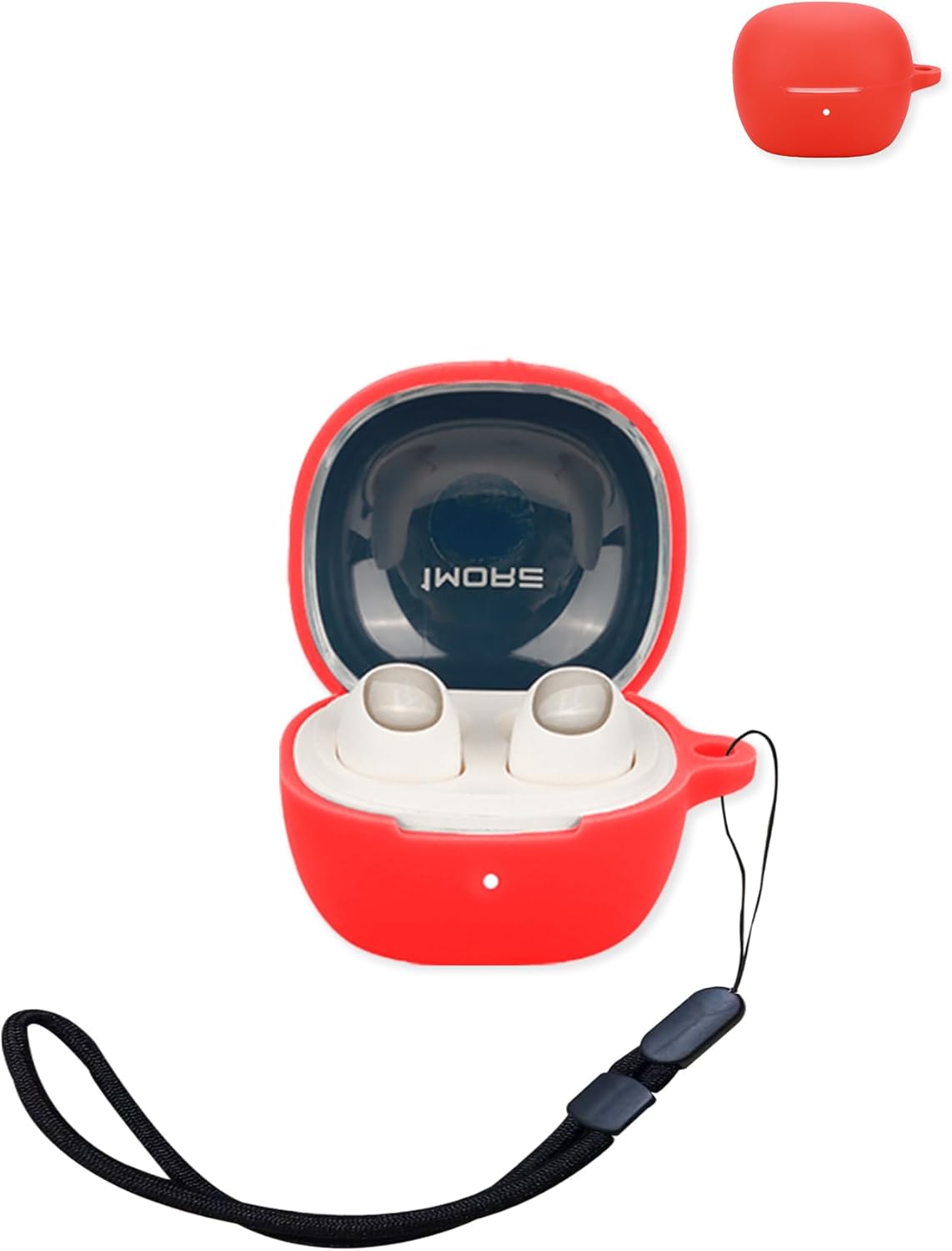
1More ComfoBuds Z Review: The $50 Sleep Earbuds That Actually Work
1More's ComfoBuds Z are engineered specifically for sleep with a minuscule design and soothing built-in sounds. We revie
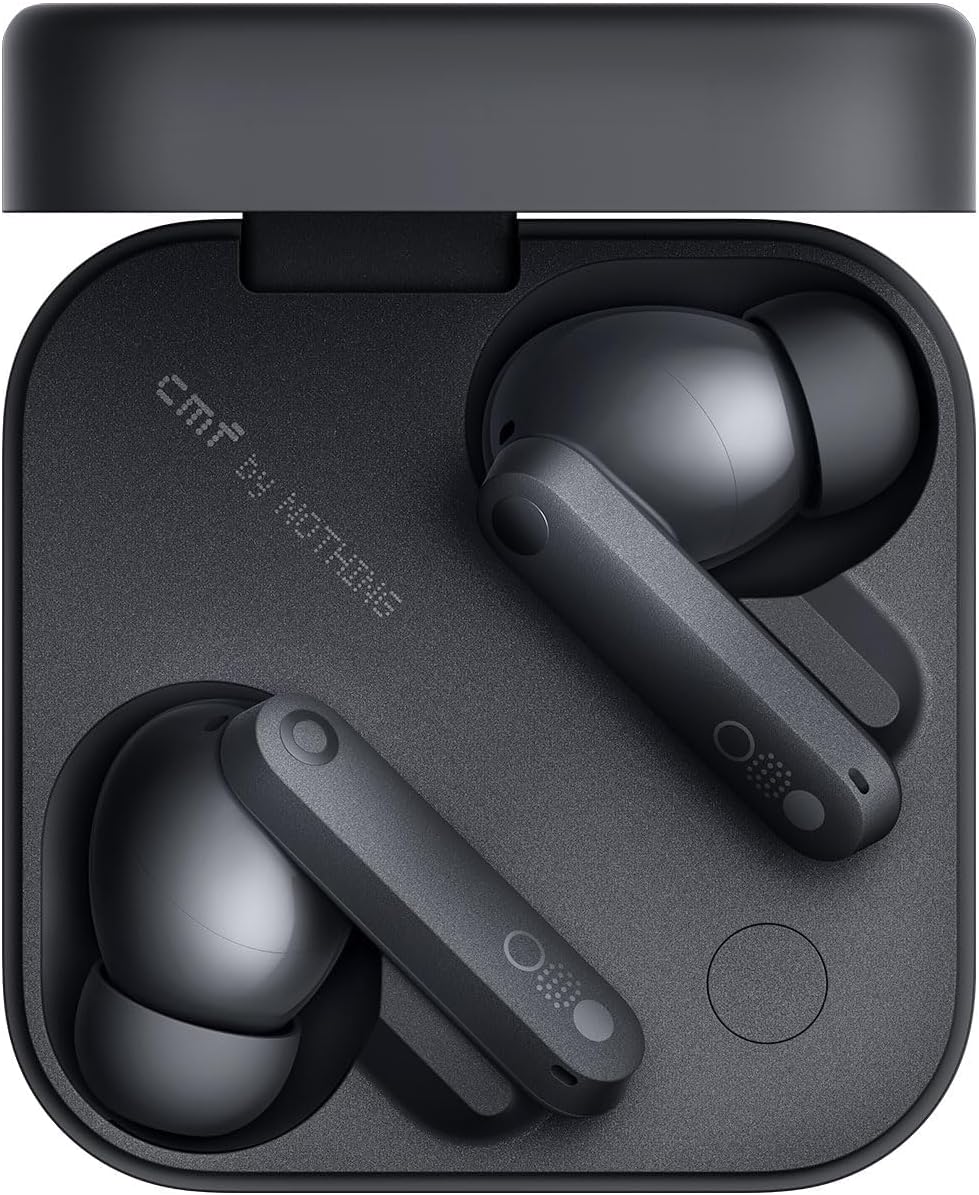
1MORE PistonBuds Pro Q30 Review 2026
1MORE's PistonBuds Pro Q30 brings flagship features to the budget category. We tested ANC depth, sound quality, and batt

7Hz Timeless II Review: Planar Magnetic IEMs for Everyone
7Hz Timeless II has 10,000+ reviews on JD.com with a 4.5/5 rating at ¥799 ($110). Users love the planar magnetic driver'

7Hz Timeless II Review 2026
The 7Hz Timeless II refines the original's planar magnetic formula. We tested it against the original Timeless and the S
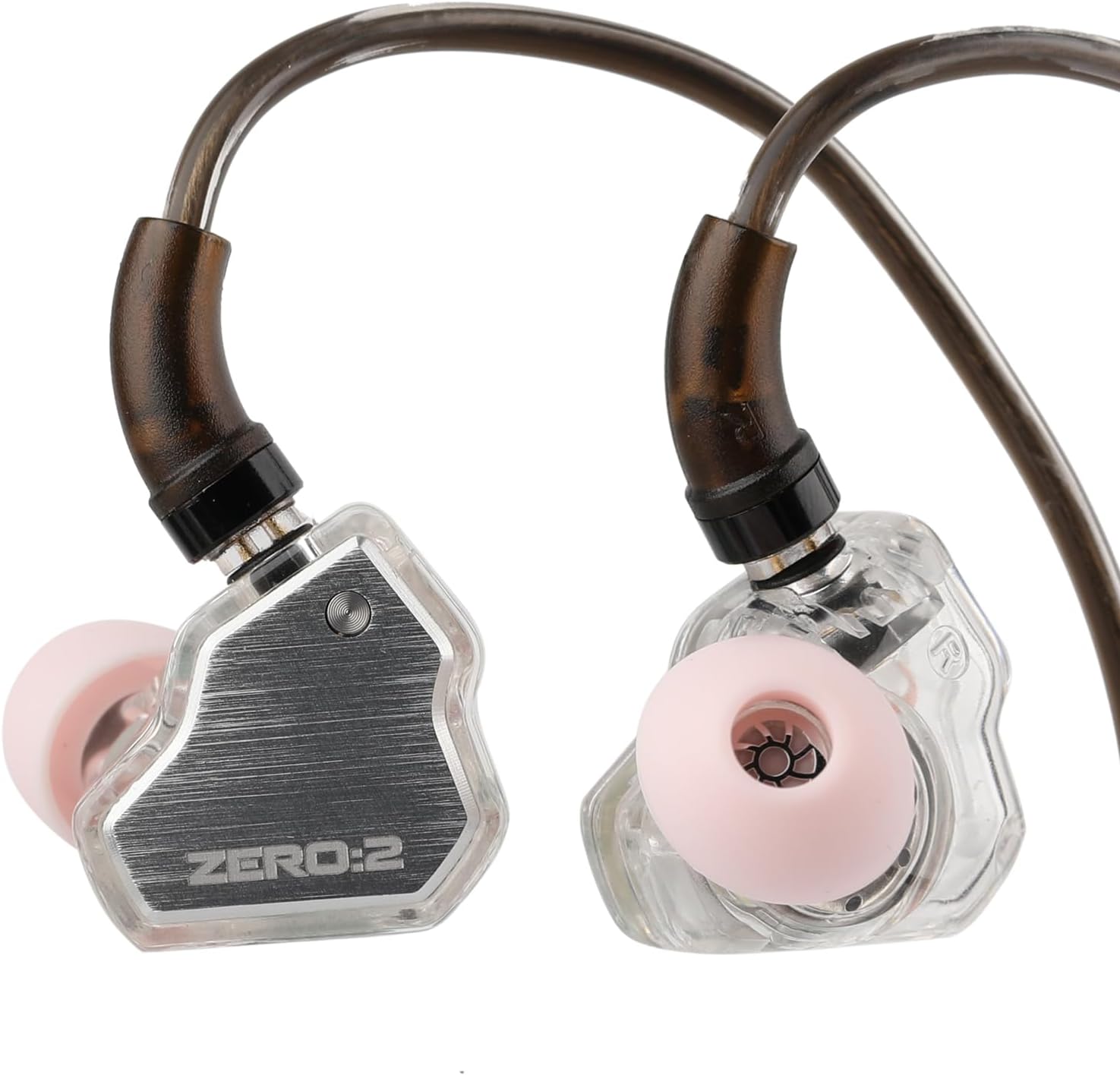
7Hz Zero 2 IEM Review: The Budget Benchmark in 2026
7Hz Zero 2 has 10,000+ reviews on JD.com with a 4.5/5 rating at ¥89 ($12). Users praise the neutral-bright sound signatu