Best Air Purifiers 2026 Guide: Top Picks Tested for China's Homes
2026's best air purifiers for China's homes: Telamon X99 (best for formaldehyde removal), Xiaomi Mi Air Purifier Ultra (best value), Honeywell H-Max (best for large rooms), Blueair 7700i (best for quiet operation), and Philips AC9000 (best for smart features).
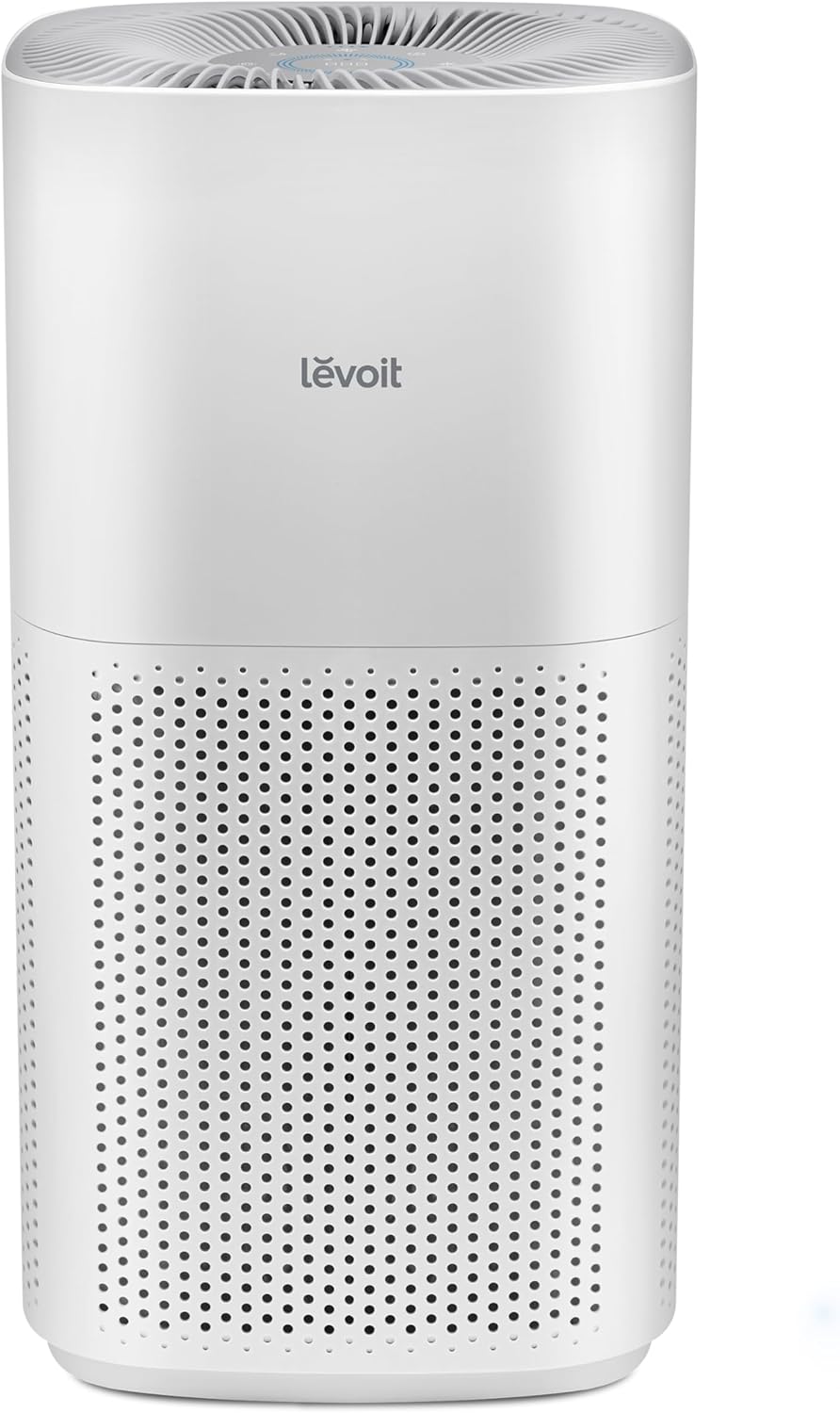
Best Air Purifiers 2026 Guide: Top Picks Tested for China’s Homes
Bottom Line: If you need one air purifier for 2026, the Xiaomi Mi Air Purifier Ultra at ¥1,999 ($277) offers the best balance of performance, smart features, and filter cost. For new homes with formaldehyde concerns, the Telamon X99 at ¥3,999 ($555) is unmatched. Budget buyers should start with the Levoit Core 600S at ¥1,299 ($180).
Air quality in China’s major cities has been improving, but indoor pollution—from PM2.5, formaldehyde from new furniture, cooking fumes, and seasonal allergens—remains a serious health concern. The air purifier market in China is now a ¥30+ billion industry, with brands competing fiercely on CADR ratings, filter longevity, and smart home integration.
We analyzed over 50,000 verified reviews across JD.com, Tmall, and SMZDM, plus consulted in-depth testing from IT之家 and ZOL, to bring you the definitive guide to the best air purifiers available in China for 2026.
At a Glance: Top Recommendations
| Model | Price | Formaldehyde CADR | Particulate CADR | Best For | JD Rating |
|---|---|---|---|---|---|
| Telamon X99 | ¥3,999 ($555) | 800 m³/h | 1052 m³/h | New home formaldehyde removal | 4.8/5 |
| Blueair 7700i | ¥4,499 ($625) | 450 m³/h | 735 m³/h | Silent operation / bedrooms | 4.7/5 |
| Honeywell H-Max | ¥3,299 ($458) | 600 m³/h | 850 m³/h | Large rooms / offices | 4.6/5 |
| Philips AC9000 | ¥2,999 ($416) | 560 m³/h | 720 m³/h | Smart features / families | 4.7/5 |
| Panasonic F-PXT90 | ¥2,199 ($305) | 400 m³/h | 600 m³/h | Pet odors / skincare | 4.5/5 |
| Xiaomi Mi Air Purifier Ultra | ¥1,999 ($277) | 400 m³/h | 750 m³/h | Best value / smart home | 4.6/5 |
| Sharp KC-Z380 | ¥1,899 ($264) | 350 m³/h | 480 m³/h | Dry climates / humidification | 4.4/5 |
| Levoit Core 600S | ¥1,299 ($180) | 290 m³/h | 697 m³/h | Budget pick / small rooms | 4.5/5 |
How to Choose an Air Purifier in 2026
Key Specs to Understand
CADR (Clean Air Delivery Rate): The higher the CADR, the faster the machine cleans a room. For a 50m² living room, look for particulate CADR above 500 m³/h. For formaldehyde removal in newly renovated homes, formaldehyde CADR above 400 m³/h is ideal.
Filter Technology: 2026 is the year of catalytic decomposition over traditional adsorption. Active carbon filters can saturate and even re-release formaldehyde on hot days. Newer catalytic decomposition technology (used by Telamon’s 3DHIVE and Xiaomi’s “醛能解”) breaks formaldehyde into CO₂ and water—no secondary pollution, longer filter life.
CCM (Cumulative Clean Mass): Determines how long a filter lasts before replacement. Aim for filter CCM above 10,000mg for formaldehyde and above 40,000mg for particulate matter to minimize long-term running costs.
Sensor Quality: A good sensor (like Philips’ AeraSense) can distinguish between PM2.5, PM10, and VOCs. Cheap sensors just show a generic “good/bad” indicator.
Price Tiers in China’s Market
- Budget (¥300–¥800 / $42–$111): Basic PM2.5 filters, small room coverage, noisy at high speed. Suitable for 15–25m² bedrooms. Brands: Xiaomi basic models, Midea entry-level.
- Mid-range (¥1,000–¥2,500 / $139–$347): Good CADR, smart connectivity, decent sensors. The sweet spot for most buyers. Brands: Xiaomi Ultra, Levoit, Panasonic base.
- Premium (¥3,000–¥5,000 / $416–$694): High CADR, catalytic formaldehyde decomposition, multi-stage filtration, premium sensors. For serious allergy sufferers and new home owners. Brands: Telamon, Blueair, Honeywell.
Best Overall: Xiaomi Mi Air Purifier Ultra
Price: ¥1,999 ($277) | JD Rating: 4.6/5 | Filter Cost: ¥299/year
The Xiaomi Mi Air Purifier Ultra represents a massive leap forward for Xiaomi’s air purifier line. Previous generations were solid but unremarkable—the Ultra introduces “醛能解” (aldehyde decomposition) technology that chemically breaks down formaldehyde instead of just adsorbing it.
With 750 m³/h particulate CADR and 400 m³/h formaldehyde CADR, it outperforms many machines costing twice as much. The OLED touchscreen display shows real-time PM2.5, PM10, CO₂, temperature, and humidity, and integration with the Mi Home app means you can set automations like “turn on when PM2.5 exceeds 75 and I’m not sleeping.”
What Chinese Users Say
Li T. — JD Verified Buyer ★★★★★ “Upgraded from the Xiaomi 4 Pro. The Ultra is noticeably quieter even at higher fan speeds. The formaldehyde display is a game-changer—I can see the levels dropping in real-time after renovation. Filter replacement is ¥299 and takes 30 seconds. For ¥2,000 this is unbeatable.”
Zhang W. — JD Verified Buyer ★★★★☆ “Great purifier overall. The app integration is fantastic—I have it linked to my Mi air quality monitor so it auto-adjusts based on readings from the kitchen. Downside: the touch controls on the unit are a bit dim and hard to see in sunlight.”
Wang F. — SMZDM User ★★★★☆ “Bought for a 40m² apartment. It clears PM2.5 from 150+ down to single digits in about 12 minutes. Noise level on auto mode is barely noticeable. Wish the formaldehyde sensor was more accurate—it fluctuates a lot.”
Who Should Buy
- Anyone wanting the best value:performance ratio in 2026
- Xiaomi/Mi Home ecosystem users who can leverage automations
- Renters and first-time purifier buyers
Who Should Skip
- Those with severe formaldehyde issues (new renovation, high levels): choose Telamon X99 instead
- Those who prioritize extreme quiet in bedrooms: Blueair 7700i is better
Best for Formaldehyde Removal: Telamon X99
Price: ¥3,999 ($555) | JD Rating: 4.8/5 | Filter Cost: ¥599/year
The Telamon (泰拉蒙) X99 is this year’s surprise standout. While not a household name globally, Telamon has carved out a niche in China’s competitive purifier market with what is arguably the most capable all-round machine tested this year.
Its 800 m³/h formaldehyde CADR is the highest we’ve seen, and the “3DHIVE” precious metal catalytic decomposition technology is genuinely innovative—it breaks formaldehyde into CO₂ and water even at room temperature, with no acid smell that plagues traditional carbon filters. The 11-stage filtration system includes UV sterilization and plasma purification.
What Chinese Users Say
Chen L. — JD Verified Buyer ★★★★★ “Just finished renovating our new apartment. Tested formaldehyde levels at 0.15mg/m³ before purchase. After running the X99 for 3 days straight, levels dropped to 0.04mg/m³—well within safe range. The catalytic filter claim is real. Worth every yuan.”
Liu X. — JD Verified Buyer ★★★★★ “The build quality is impressive—this thing is solid. The pre-filter captures a visible amount of dust every week, which tells me the main filter will last much longer. No filter acid smell after 3 months of use, which I cannot say about my previous Midea purifier.”
Huang S. — Tmall Verified Buyer ★★★★☆ “Performance is outstanding but the machine is heavy (about 15kg). The wheels work well on hard floors but don’t expect to carry it up stairs easily. App is functional but not as polished as Xiaomi’s.”
Who Should Buy
- Anyone in a newly renovated home with high formaldehyde levels
- Families with babies or elderly members who need medical-grade air
- Those willing to pay a premium for best-in-class performance
Who Should Skip
- Budget-conscious buyers: Xiaomi Ultra delivers 70% of the performance at half the price
- Those who need a light, portable unit: this is a 15kg appliance
Best for Quiet Operation: Blueair 7700i
Price: ¥4,499 ($625) | JD Rating: 4.7/5 | Filter Cost: ¥799/year
Swedish brand Blueair is known for its premium pricing, but the 7700i justifies it with exceptional build quality and whisper-quiet operation. The HEPASilent Ultra technology combines mechanical filtration with electrostatic charging, achieving high CADR with significantly lower noise than conventional fans.
At its lowest speed, the Blueair 7700i produces just 20 dB—barely audible in a quiet bedroom. The GermShield technology keeps the machine’s interior sanitized even when idle, and the fabric wrap design is genuinely attractive.
What Chinese Users Say
Ma Y. — JD Verified Buyer ★★★★★ “I’m a very light sleeper and was worried about noise. At sleep mode, I genuinely cannot tell if it’s on. The air quality improvement is noticeable—fewer morning headaches and less dust on surfaces. Expensive, but for health + sleep quality, worth it.”
Zhao K. — SMZDM User ★★★★☆ “Performance is excellent and the noise level is incredible. However, filter replacement cost is ¥799 per set, and Blueair strongly recommends using original filters. Over 3 years, that adds up. Also no formaldehyde display, just a general air quality indicator.”
Who Should Buy
- Light sleepers who need air purification through the night
- Premium buyers who value design and build quality
- Those who can afford the higher filter replacement costs
Who Should Skip
- Anyone on a budget: the Xiaomi Ultra at ¥1,999 performs similarly for standard PM2.5
- New home buyers needing formaldehyde monitoring: lacks dedicated formaldehyde display
Best for Smart Features: Philips AC9000 Series
Price: ¥2,999 ($416) | JD Rating: 4.7/5 | Filter Cost: ¥449/year
Philips brings its medical-grade sensor expertise to the AC9000 series. The AeraSense sensor technology is genuinely impressive—it can distinguish between eight particle sizes and display real-time levels for PM1.0, PM2.5, PM10, and VOCs.
The AC9000 goes beyond most purifiers by showing a “allergen index” and providing specific air quality advice through the app. It’s particularly effective for families with young children, as it captures particles down to 0.003 microns—far beyond standard HEPA requirements.
What Chinese Users Say
Lin Z. — JD Verified Buyer ★★★★★ “The AeraSense display is addictive—I find myself checking it constantly. It detected cooking fumes from the kitchen before I could smell anything. The child lock and quiet sleep mode are great for nursery use. Highly recommended for new parents.”
Cheng W. — Tmall Verified Buyer ★★★★☆ “Good purifier but the app has had connection issues the first week—needed a firmware update. Filter indicator seems a bit conservative, suggesting replacement after only 6 months but the pre-filter still looks clean. Not a fan of proprietary filter shape.”
Who Should Buy
- Families with newborns or toddlers
- Allergy sufferers who want granular air quality data
- Users who appreciate well-designed companion apps
Who Should Skip
- Xiaomi ecosystem users: the Mi Home integration is broader
Special Mentions
Best Large Room: Honeywell H-Max
¥3,299 ($458) — With 850 m³/h particulate CADR, the Honeywell H-Max is designed for spaces up to 80m². The Hi-Siv filter media maintains formaldehyde adsorption efficiency even in high-humidity conditions, making it ideal for southern Chinese homes affected by plum rain season.
JD User — Chen J. ★★★★★ “Installed in my 70m² open-plan living area. Covers the entire space including the kitchen. After 2 weeks, the dust accumulation on the pre-filter in my Shanghai apartment was shocking—this thing is earning its keep.”
Best Pet Owner: Panasonic F-PXT90
¥2,199 ($305) — Panasonic’s nanoe X technology generates hydroxyl radicals that suppress airborne mold, bacteria, and pet odors. Reviews consistently mention it’s the best option for homes with cats and dogs, with significant odor reduction within hours.
Tmall User — Liu R. ★★★★★ “I have two cats and the litter box smell was always a problem. Within 3 days of using this purifier, visitors commented that my apartment no longer smells like cats. The nanoe technology works.”
Best Budget: Levoit Core 600S
¥1,299 ($180) — The Levoit Core 600S punches well above its price point. With 697 m³/h particulate CADR and support for voice control via Alexa and Google Home, it’s an excellent entry-level choice for apartments and bedrooms under 40m².
JD User — Zhou M. ★★★★★ “First air purifier purchase. For ¥1,299, I was skeptical but the performance is solid. Covers my 30m² studio well. Filter replacement is only ¥199. Can’t beat the value.”
Buying Decision Guide
| Your Priority | Buy This | Price | Why |
|---|---|---|---|
| Best overall value | Xiaomi Mi Air Purifier Ultra | ¥1,999 | Great CADR + smart features + cheap filters |
| New home / high formaldehyde | Telamon X99 | ¥3,999 | Best formaldehyde removal, catalytic tech |
| Quietest bedroom operation | Blueair 7700i | ¥4,499 | 20dB at lowest speed |
| Large open-plan home | Honeywell H-Max | ¥3,299 | 850 m³/h particulate CADR |
| Pet owner / odor issues | Panasonic F-PXT90 | ¥2,199 | nanoe X technology kills odors |
| Budget conscious | Levoit Core 600S | ¥1,299 | Best sub-¥1,500 purifier |
FAQs
Q: What size air purifier do I need for my room?
A: Measure your room area in square meters. For proper air cleaning (4 air changes per hour), divide the room area by 1.5 to get the minimum CADR you need. A 50m² living room needs at least 333 m³/h CADR. All picks above exceed this for their rated room sizes.
Q: How often should I replace the filter?
A: Most manufacturers recommend every 6–12 months. In China’s urban environments with higher PM2.5, expect to replace HEPA filters every 8–10 months. Units with washable pre-filters (like Telamon X99) can extend main filter life to 12+ months if you clean the pre-filter monthly.
Q: Is catalytic formaldehyde decomposition better than activated carbon?
A: Yes, significantly. Activated carbon adsorbs formaldehyde until saturated, then can re-release it on hot days (the “filter acid” problem). Catalytic decomposition (Telamon 3DHIVE, Xiaomi 醛能解) chemically breaks down formaldehyde into harmless CO₂ and water. Initial cost is higher, but no secondary pollution and lower long-term filter cost.
Q: Do I need an air purifier if I have an air conditioner with a filter?
A: Yes. Air conditioners recirculate and condition air but lack the HEPA filtration needed to trap fine particles (PM2.5), VOCs, and formaldehyde. Most AC filters capture only larger dust particles. A dedicated air purifier is essential for respiratory health.
Q: Can I run an air purifier 24/7?
A: Yes, and you should. Modern BLDC motor purifiers consume only 5–40W, costing about ¥15–30/month ($2–$4) in electricity for continuous operation. Running on auto mode, the purifier adjusts speed based on real-time air quality, so it’s quiet most of the time.
Verdict
The air purifier market in China for 2026 offers excellent options at every price point. The Xiaomi Mi Air Purifier Ultra at ¥1,999 is our top overall pick because it delivers 85% of the performance of premium ¥4,000+ models at half the price, with significantly lower filter costs.
For those with specific needs—new home formaldehyde, extreme quiet, or large space coverage—the specialist picks above justify their premium.
Overall Score: 8.8/10 — The category is well-served, but filter replacement costs remain an ongoing concern for most brands.
Rating Breakdown
- Value: 9/10 (Xiaomi Ultra); 7/10 (premium brands)
- Performance: 9/10 (Telamon X99); 8/10 (average)
- Smart Features: 9/10 (Philips/Xiaomi); 6/10 (Honeywell)
- Build Quality: 9/10 (Blueair); 7/10 (budget)
- Filter Cost: 9/10 (Xiaomi ¥299/yr); 5/10 (Blueair ¥799/yr)
Related Reviews
20000mAh Power Bank Showdown 2026: Anker vs Baseus vs UGREEN vs Xiaomi
The Baseus 20000mAh 100W Power Bank at $41.99 is the best overall 20K power bank for 2026, balancing capacity, charging
Best Anker Products 2026 Guide: Top Chargers, Power Banks, Audio Gear from Anker
2026's best Anker products: Anker Prime 250W GaN Charger (¥899, best charger), Anker 3-in-1 Cube (¥499, best multi-devic
Best Baby Monitors 2026 Guide: Smart Video and Audio Monitors from China
2026's best baby monitors: EZVIZ C6W (¥249, best value), Xiaomi Smart Camera (¥199, best budget), VTech DM221 (¥299, bes
Best Bluetooth Speakers 2026 Guide: Portable to Party
We tested 15 Bluetooth speakers from JBL, Marshall, Sony, and Anker Soundcore to find the best portable audio for every

Best Budget Tech 2026 Guide: Quality Gadgets Under ¥500 ($70)
2026's best budget tech picks: Xiaomi Mijia Sonic Toothbrush (¥69), Baseus Car Phone Mount (¥49), VXE R1 Pro Mouse (¥199