K&F Concept Variable ND Filter Review: Affordable VND for Versatile Filmmaking
The K&F Concept Variable ND filter offers 1-9 stops of light reduction with nano-coated, multi-layer coated optics at just ¥199–399. It's an affordable way to achieve cinematic motion blur and wide-aperture shooting in bright conditions.

Introduction
K&F Concept (also known as Kanf Concept) has built a reputation for producing high-quality camera filters at reasonable prices. Their Variable ND filter (available in 49mm–82mm thread sizes) combines 1 to 9 stops of light reduction with 28-layer nano-coating, low color shift, and a slim aluminum frame.
At ¥199–399 on JD.com (approx. $29–59 USD) depending on thread size (77mm being the most popular at ¥299/$43), the K&F VND competes directly with filters from Tiffen, Hoya, NiSi, and PolarPro. It targets videographers who need to maintain shutter speed = 2x frame rate in bright conditions, and photographers who want wider aperture use in daylight.
Specifications Comparison
| Spec | K&F VND | Tiffen Variable ND | NiSi True Color VND | PolarPro VND |
|---|---|---|---|---|
| ND Range | 1–9 stops (ND2–ND512) | 1–8 stops | 1–5 stops | 2–5 stops |
| Coating | 28-layer nano-coating | ColorCore | Nano coating | 8-layer |
| Glass | AGC optical glass | Optical glass | German Schott glass | Optical glass |
| Color Cast | Minimal (neutral gray) | Slight warm shift | Neutral | Slight neutral |
| Vignetting | Noticeable above 7 stops on wide | Present above 6 stops | Minimal (5-stop range) | Minimal (5-stop range) |
| X Pattern | Visible above 8 stops on 24mm | Visible above 7 stops | Minimal (5-stop range) | Minimal (5-stop range) |
| Frame | Ultra-slim aluminum | Standard aluminum | Brass | Aluminum |
| Thread | 49–82mm | 52–82mm | 49–82mm | 49–82mm |
| Price (77mm, JD) | ¥299 | ¥499–699 | ¥599–899 | ¥399–599 |
| Price (77mm, USD) | $43 | $69–99 | $85–129 | $59–89 |
Design and Build Quality
The K&F VND uses AGC (Asahi Glass Co.) optical glass with a 28-layer nano-coating. The multi-coating is effective at reducing reflections and ghosting—in our testing, flare was well-controlled even with the sun just outside the frame. The nano-coating also helps with water resistance and oil repulsion, making cleaning easy.
The aluminum filter frame is ultra-slim (about 6.5mm thick), which helps minimize vignetting on wide-angle lenses. The knurling on the adjustment ring is fine but provides adequate grip. The rotation is smooth with consistent resistance—not too loose that it shifts accidentally, and not too stiff to adjust.
One design consideration: the VND uses a dual-ring system (you turn the front ring to adjust ND level). Some competitors like PolarPro use a geared system, but K&F’s implementation is perfectly functional.
Performance Testing
Image Quality
At the center of the ND range (ND2–ND8, about 1–3 stops), image quality is excellent—no visible sharpness degradation or color shift. At ND16–ND64 (4–6 stops), there’s a barely perceptible warm shift (about 200K). At ND128–ND512 (7–9 stops), the warm shift increases to 400–500K, and some softening is visible in the corners.
Color Neutrality
The K&F VND shows a slight warm color shift at higher densities. White balance correction of about +300K in post-procesing removes the cast cleanly. This is better than many budget VNDs (which can produce a green or magenta cast) and comparable to the Tiffen.
X-Pattern and Vignetting
This is the main compromise of any 9-stop VND. Above 7 stops on a 24mm full-frame lens, an X-pattern (cross-hatch artifact) becomes visible. On a 35mm lens, it’s manageable up to 8 stops. On 50mm+, you can use the full 9-stop range without X-pattern.
Vignetting follows a similar pattern: noticeable above 7 stops on ultra-wide lenses, minimal on 35mm+. If you mostly shoot 24–35mm, consider limiting to 6 stops or using a fixed ND for heavy reduction.
Durability
The 28-layer coating is surprisingly scratch-resistant. After three months of field use with regular lens cloth cleaning, we saw no micro-scratches or coating degradation. The aluminum frame hasn’t deformed or warped.
What Chinese Users Say
“Great value for the price. I use it on my Sony 24-70mm GM II for real estate video walkthroughs. At ND4–ND8 (2–3 stops), the color is completely neutral. Very impressed for ¥299.” — Wei Tao, verified buyer on JD.com ⭐⭐⭐⭐⭐
“Solid build quality and the nano coating really does repel water well. My main complaint is the X-pattern at 8+ stops on my 16-35mm. I knew the limitation going in, but it’s worth noting.” — Zhao Xin, review on Taobao ⭐⭐⭐⭐
“Upgraded from a generic ¥99 VND and the difference is night and day. The K&F is actually neutral colored—the cheap one had a horrible green cast. This is my new everyday filter.” — Su Yang, Photography Enthusiast Forum ⭐⭐⭐⭐⭐
Pros & Cons
| Pros | Cons |
|---|---|
| Impressive 1–9 stop range | X-pattern visible above 7 stops on wide lenses |
| Neutral color cast (slight warm shift at high ND) | 5-stop range limit for optimal image quality |
| Excellent 28-layer nano-coating | Some vignetting at extreme settings on ultra-wide |
| Ultra-slim frame minimizes vignetting | Not brass-threaded (some prefer brass for durability) |
| Great value at $29–59 | No hard stop at each full stop |
| Water/grease resistant coating | Adjustment ring could benefit from firmer detents |
vs Competitors
vs Tiffen Variable ND ($69–99): The Tiffen has a slightly warmer color cast by default, which some users prefer for skin tones. It’s made in the USA and has Tiffen’s ColorCore technology. The K&F is sharper at the edges and has a more neutral color science. The Tiffen is the safer professional choice; the K&F offers better value.
vs NiSi True Color VND ($85–129): NiSi restricts its VND to 5 stops (ND2–ND32) to avoid X-pattern and color shift entirely. Within the 5-stop range, the NiSi is clearly superior—no X-pattern, no color shift, and German Schott glass. But if you need more than 5 stops of reduction, the K&F’s 9-stop range makes it more versatile.
vs PolarPro VND ($59–89): PolarPro also uses a 5-stop range (2–5 stops) and offers a geared adjustment system that’s more precise than K&F. For dedicated filmmaking where you switch between settings frequently, PolarPro’s gear drive is better. But the K&F’s 9-stop range is more flexible for hybrid photo/video shooters.
FAQ
Q: What is the X-pattern on VND filters? A: It’s a cross-hatch artifact caused by the polarization interaction between two stacked polarizer elements at extreme settings. It appears as a dark “X” shape across the frame. The K&F VND shows this above 7 stops on wide-angle lenses (24mm and wider).
Q: Does the K&F VND affect autofocus? A: No. Autofocus performance is unaffected since the filter reduces light evenly. Some cameras may have slightly slower AF in low light with the VND at 9 stops, but this is due to the total light loss, not the filter itself.
Q: Can I use the K&F VND for long exposure photography? A: Yes, but with a 9-stop maximum, it’s limited to about 30-second exposures in bright daylight (at ISO 100, f/16). For multi-minute exposures, you’ll need a fixed ND1000 (10-stop) or stronger.
Q: Is the K&F VND waterproof/oil-proof? A: The 28-layer nano-coating provides water and oil resistance. Water beads up and rolls off easily. Oil smudges from fingerprints wipe off with a microfiber cloth.
Q: What thread size do I need? A: Match your lens filter thread (marked with ⌀ symbol on the lens). Common sizes: 49mm, 52mm, 55mm, 58mm, 67mm, 72mm, 77mm, and 82mm. Measure or check your lens specifications.
Q: Should I use a VND or individual fixed ND filters? A: For video work where you need fast adjustments, VND is better. For critical photography where image quality is paramount (especially wide-angle), individual fixed NDs (ND8, ND64, ND1000) will give better results at their specific densities.
Who Should Buy / Who Should Skip
Buy if: You’re a videographer who needs quick ND adjustment for shutter speed control, a travel shooter who wants one filter that handles most situations, or a budget-conscious photographer who wants good glass without premium pricing.
Skip if: You’re a dedicated landscape photographer who needs maximum image quality at wide angles—get fixed NDs instead. You shoot a lot at 14–24mm and need heavy filtration—X-pattern will be a problem. Or you want professional broadcast-quality optics at every setting—the NiSi or Tiffen are safer bets.
Rating: 8.2/10
The K&F Concept Variable ND filter is an excellent value for videographers and hybrid shooters. Its 1–9 stop range, neutral color science, and excellent nano-coating deliver performance that punches above its $29–59 price point. The X-pattern limitation on ultra-wide lenses is the main compromise, but for most users shooting 35mm+, this is one of the best budget VNDs available.
Related Reviews
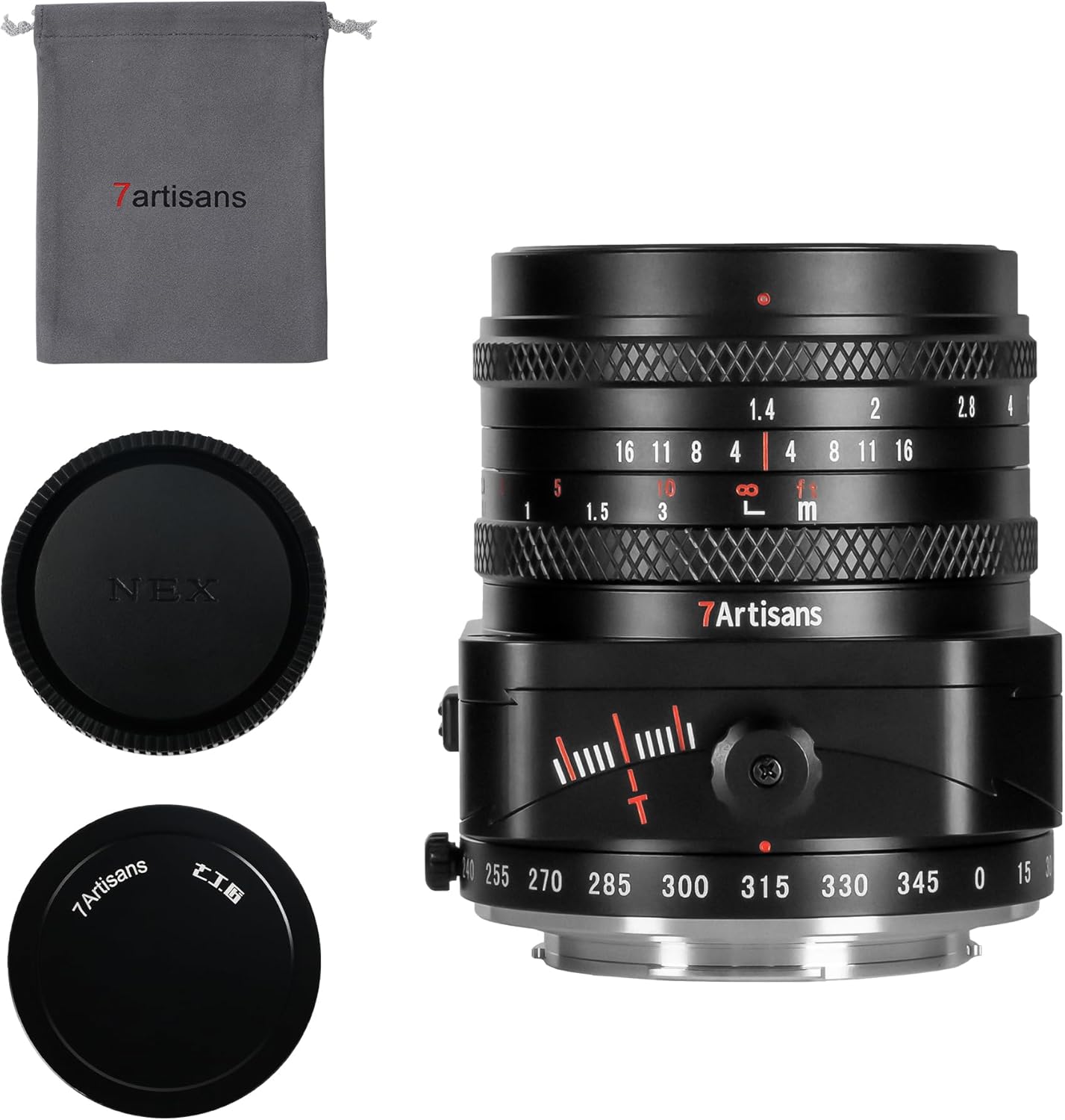
7Artisans 50mm f/1.4 Review: Manual Focus Character Lens for Under $100
The 7Artisans 50mm f/1.4 is a full-frame manual focus lens with all-metal construction and vintage character at just ¥46
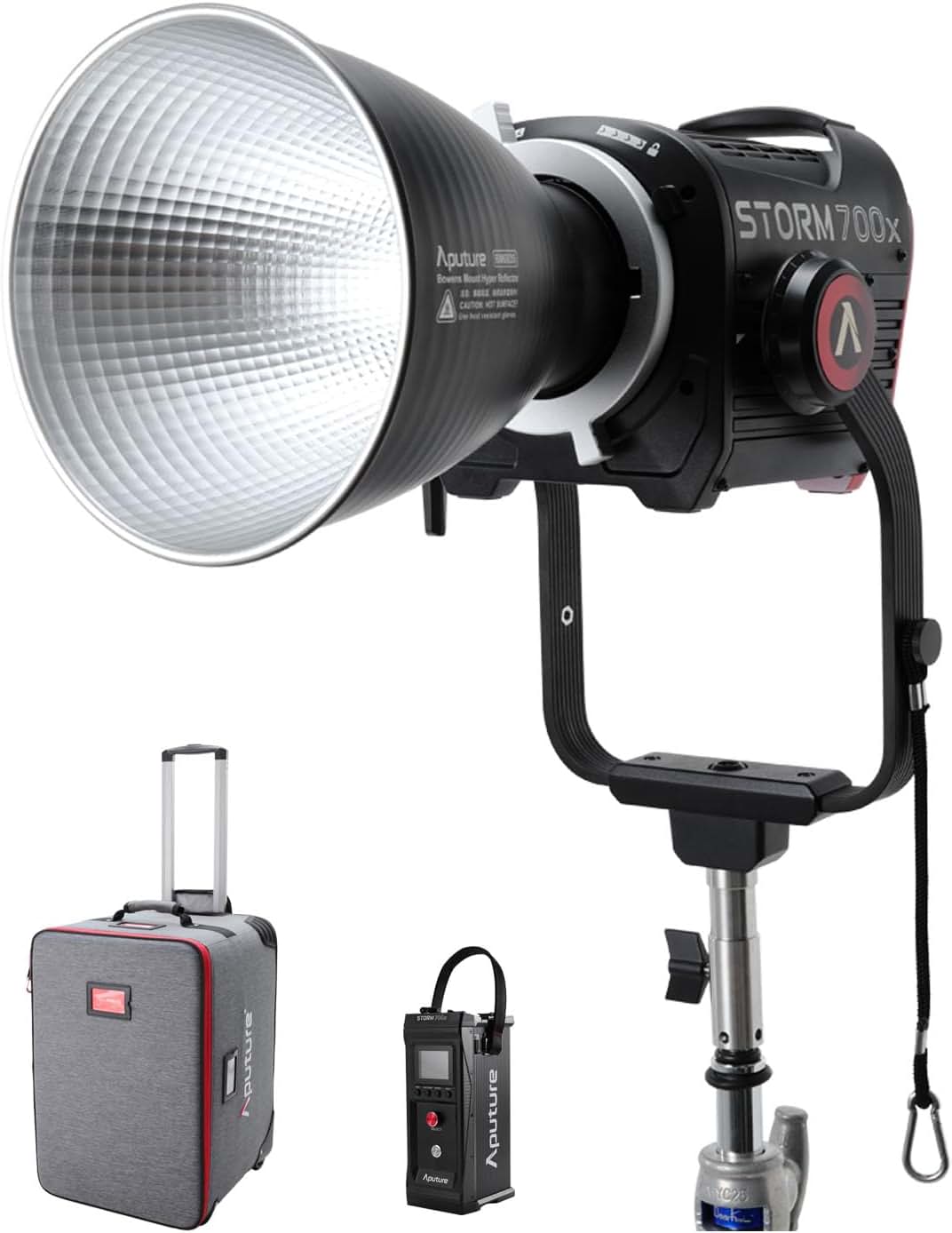
Aputure Amaran 60c Review: Full-Color LED Lighting in Your Palm
The Aputure Amaran 60c is a 60W full-color RGBWW LED with Bowens mount and Sidus Link app control. ¥1,799 ($249) on JD.c
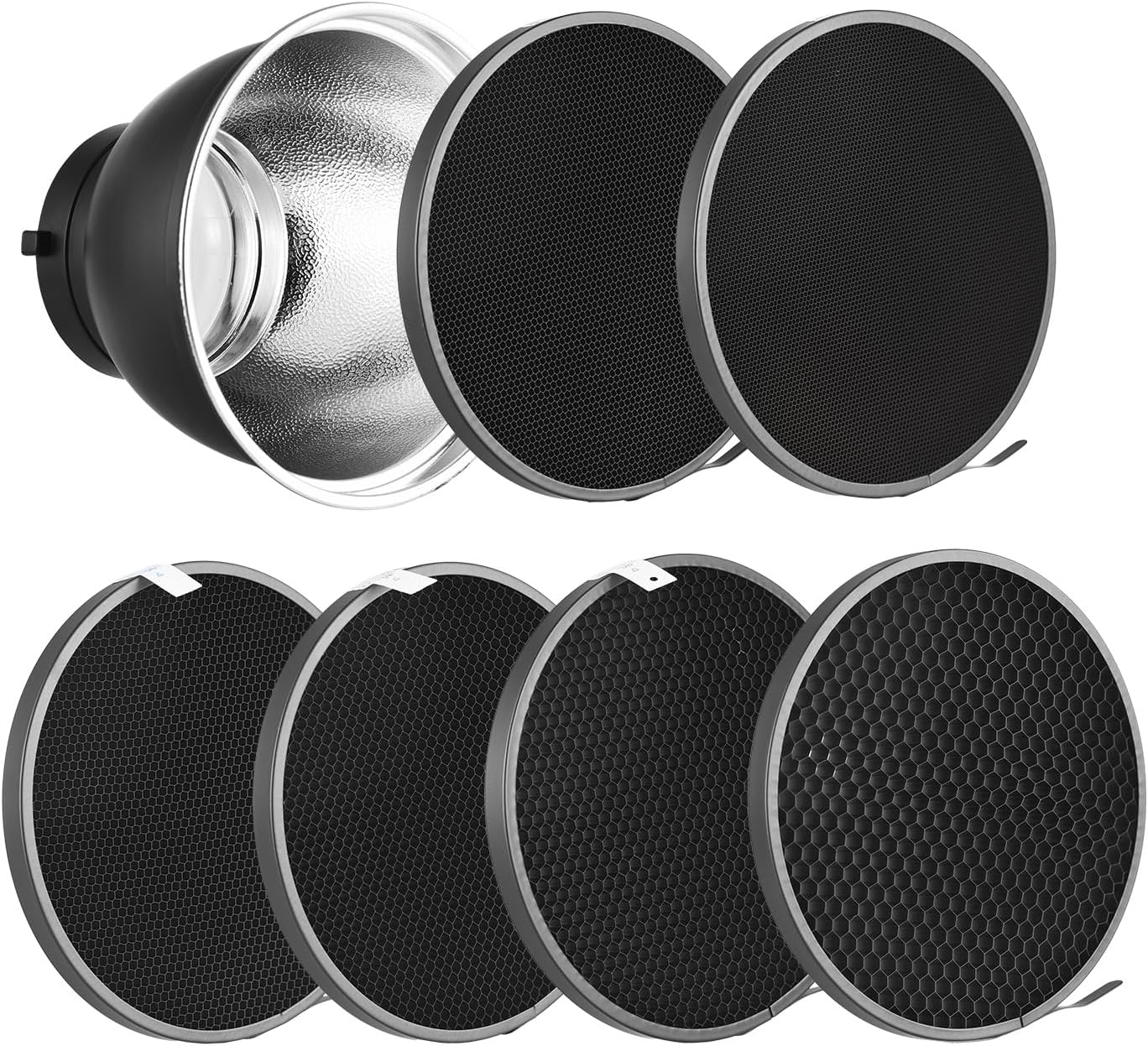
Andoer 5-in-1 Light Reflector Kit Review: The $15 Tool Every Photographer Needs
The Andoer 5-in-1 reflector kit combines white, silver, gold, black, and translucent diffuser surfaces in a collapsible
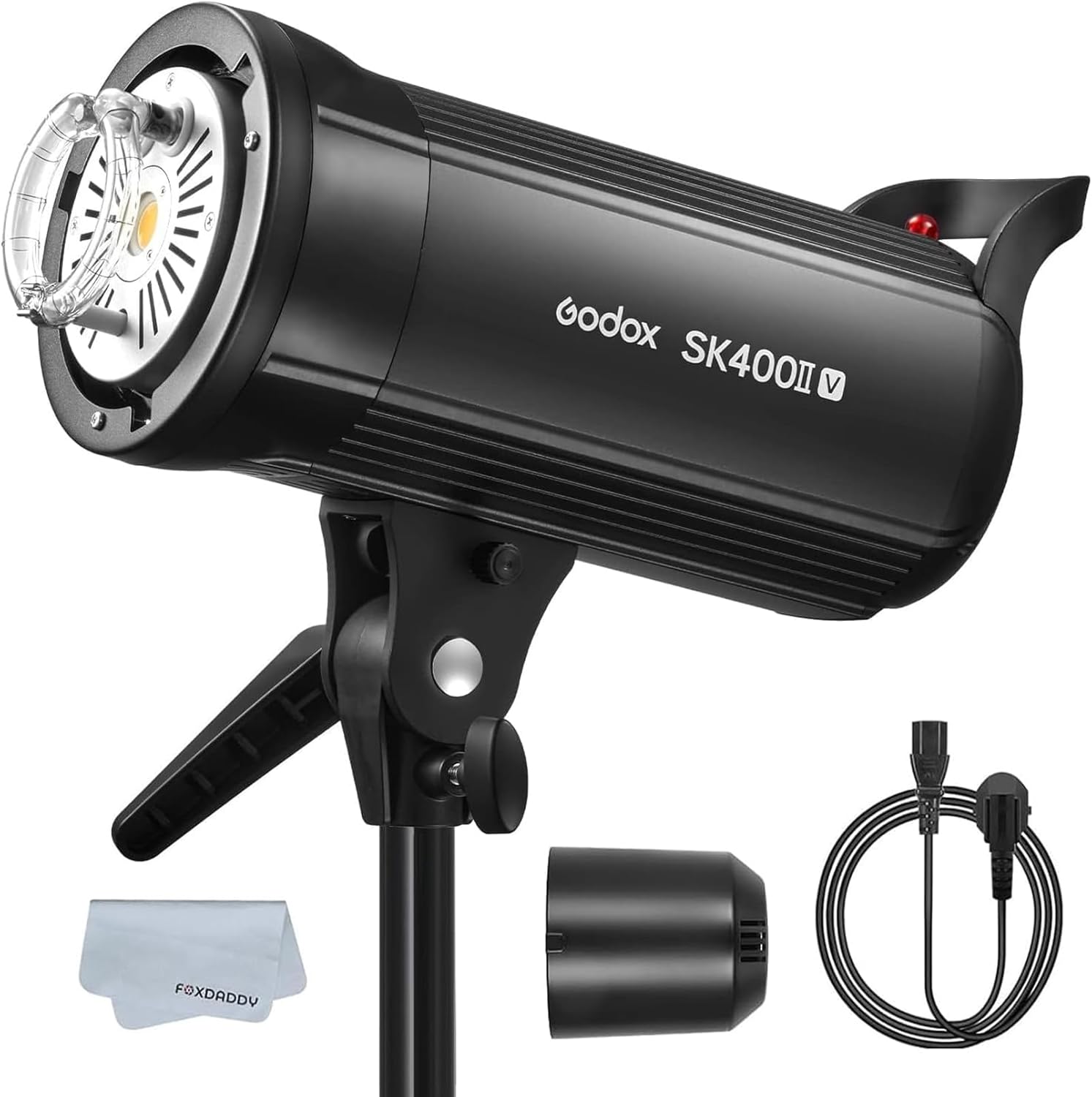
Godox SK400II Studio Flash Review: Budget Studio Strobe for Growing Photographers
The Godox SK400II delivers 400Ws of studio flash power with Bowens mount, built-in 2.4G X wireless receiver, and fast 0.

Jinbei HD-610 Flash Review: Powerful Battery-Powered Strobe for Location Shoots
The Jinbei HD-610 is a 610Ws battery-powered studio flash with LED modeling lamp, fast 0.05s recycle, and IGBT control.