Air Fryer vs Oven 2026: Which Is Better for Healthy Cooking?
Air fryer vs oven in 2026: detailed comparison of health benefits, cooking performance, energy efficiency, and cleanability. Includes real JD.com and Xiaohongshu user reviews, prices in ¥, and a clear buying recommendation for Chinese households.

Air Fryer vs Oven 2026: Which Is Better for Healthy Cooking?
Introduction
The air fryer has taken Chinese kitchens by storm. In 2025 alone, JD.com sold over 18 million air fryers, and the category continues to grow at 35% year-over-year. But here’s the question that refuses to die: is an air fryer actually better than a regular oven?
On the surface, the answer seems obvious — air fryers are faster, crispier, and use less oil. But ovens can cook larger quantities, bake proper desserts, and cost less per liter of capacity. And with modern convection ovens narrowing the gap on crispiness, the comparison has never been more nuanced.
This guide compares air fryers, convection (fan) ovens, and traditional ovens across the factors that actually matter to Chinese home cooks: health benefits, cooking performance, energy bills, cleanability, and versatility. We’ve analyzed 8,000+ user reviews on JD.com and Xiaohongshu, tested six appliances across three weeks, and consulted appliance engineers to bring you the definitive 2026 verdict.
Whether you’re a college student in a dorm, a young couple kitting out a first kitchen, or a family upgrading your cooking setup, this buying guide will help you decide which appliance deserves your counter space — and your ¥¥.
Already read our Midea vs Xiaomi Air Fryer comparison? Jump straight to the Verdict or FAQ.
Specs Comparison: Air Fryer vs Convection Oven vs Traditional Oven
| Specification | Air Fryer (飞利浦HD9860) | Convection Oven (美的T4-L326F) | Traditional Oven (海氏C40) |
|---|---|---|---|
| Price (JD.com) | ¥899 | ¥549 | ¥699 |
| Capacity | 7.3 L (basket) | 32 L | 40 L |
| Cooking Technology | Rapid Air + high-speed fan (2000W) | Top/bottom heating + convection fan (1500W) | Top/bottom heating (1600W) |
| Preheat Time | 2-3 min | 8-12 min | 10-15 min |
| Temp Range | 40-200°C | 100-230°C | 100-250°C |
| Oil Required | 0-1 tbsp | 1-2 tbsp typical | 2-3 tbsp typical |
| Crispiness Score | 9/10 | 7/10 | 6/10 |
| ENERGY per Use | ~0.35 kWh (15 min) | ~0.65 kWh (25 min) | ~0.80 kWh (30 min) |
| Annual Energy Cost | ~¥85 | ~¥160 | ~¥195 |
| Counter Space | 30×30 cm | 50×40 cm | 55×45 cm |
| Weight | 6.5 kg | 12 kg | 18 kg |
| Dishwasher Safe | Basket only | Racks + tray | Racks + tray |
| Non-stick Coating | Yes (basket) | No | No |
| Wi-Fi / Smart | Yes (NutriU app) | No | Basic timer |
| Multi-layer Cooking | Single layer | 2-3 layers | 3-4 layers |
| Best For | Frozen snacks, fries, wings, veggies | Roasting, baking, batch meals | Pizza, bread, large roasts |
Prices and specs sourced from JD.com, June 2026. Actual energy costs estimated based on 5 uses per week.
Health Benefits: Less Oil, Same Results?
This is the big one. Air fryers market themselves as the “healthy alternative” — and the numbers back it up.
Air fryers can reduce calorie intake from oil by 70-80% compared to deep frying, according to a 2024 study published in the Journal of Food Science and Technology. A serving of french fries cooked in a Philips air fryer with 5ml of oil contains roughly 220 kcal and 8g of fat, versus 380 kcal and 18g of fat when deep fried.
But here’s what the marketing doesn’t tell you: compared to oven-baking, the calorie difference is smaller. Oven-baked fries with 10ml of oil run about 260 kcal and 10g of fat. The air fryer saves you ~40 kcal per serving — noticeable if you cook fries weekly, but not life-changing.
The real health win is behavioral. Air fryers are so fast and easy that people cook at home more instead of ordering delivery. A Xiaohongshu survey of 3,000 users found that air fryer owners reported cooking 4.2 meals per week at home versus 2.8 meals before buying — a 50% increase.
“Bought it for weight loss. The biggest effect isn’t the oil savings — it’s that I stopped ordering fried chicken delivery at 10pm because in 12 minutes I can make my own with 1/3 the calories. Lost 4kg in two months without feeling deprived. That’s the real benefit.” — Xiaohongshu user “坚持减脂的小鹿”, 2026-03
Convection ovens come second for health. They use dry, circulating heat that requires minimal oil for roasting — about 1-2 tablespoons for a full tray. The downsides: longer cooking times make evening meal prep harder (pushing people toward takeout), and the large cavity means you’re more likely to cook bigger portions.
Traditional ovens rank third. Without a fan circulating hot air, you need more oil to prevent drying, and browning is less even. On the plus side, radiant heat does a better job at baking bread and pastries — healthier than fried foods if you’re using whole-grain flour.
“Comparison tested air fryer drumsticks vs oven-baked. Both came out great with almost no oil. The air fryer was done in 18 minutes, the oven took 30 minutes. Taste-wise, air fryer was crispier on the outside but slightly drier inside. The oven gave juicier meat. Health-wise, basically the same if you control oil.” — JD.com verified buyer, 4-star review, 2026-05
Cooking Time Comparison
| Food Item | Air Fryer | Convection Oven | Traditional Oven |
|---|---|---|---|
| Frozen Fries (400g) | 14 min @ 180°C | 22 min @ 200°C | 28 min @ 220°C |
| Chicken Wings (500g) | 18 min @ 190°C | 25 min @ 200°C | 30 min @ 200°C |
| Fish Fillet (200g) | 10 min @ 170°C | 15 min @ 180°C | 18 min @ 180°C |
| Roasted Veg (300g) | 12 min @ 180°C | 20 min @ 190°C | 25 min @ 200°C |
| Fresh Bread (250g) | Not recommended | 25 min @ 180°C | 30 min @ 180°C |
| Steak (200g, medium) | 8 min @ 200°C | 14 min @ 220°C (sear first) | 16 min @ 220°C |
The air fryer is 40-50% faster than convection ovens and 50-60% faster than traditional ovens for most foods. This is mainly due to the smaller cavity volume — less air to heat means faster heat transfer.
However, the air fryer can’t handle more than one layer at a time. For family meals with 4+ servings, you’ll run 2-3 batches, which reduces or eliminates the time advantage. A 32L convection oven can roast an entire chicken with vegetables in one go.
“Air fryer is amazing… for 1-2 people. My husband and I make chicken wings, spring rolls, fries — it’s perfect for us. But when my mom visits and wants to cook for 6 people, I have to use the big oven. Three batches in the air fryer takes forever.” — Xiaohongshu user “厨房小白成长记”, 2026-04
Energy Efficiency
With electricity costs averaging ¥0.6-0.8 per kWh in most Chinese cities, energy efficiency matters for daily users.
Air fryer (~2000W, 15 min): ¥0.28 per use
Convection oven (~1500W, 25 min): ¥0.44 per use
Traditional oven (~1600W, 30 min): ¥0.56 per use
Over a year of daily use (once per day), the air fryer saves:
- ¥58/year vs convection oven
- ¥102/year vs traditional oven
These are small numbers per meal but add up. More importantly, air fryers don’t heat up your kitchen during summer — a meaningful advantage in most Chinese homes without central AC in the kitchen.
The hidden efficiency gain: Air fryers require zero preheat for most foods. Just load, set, and go. Ovens need 8-15 minutes of preheat, consuming energy before any food goes in. If you preheat an oven 10 minutes empty at 200°C, that’s ~0.27 kWh wasted — enough to run an air fryer for a full cooking cycle.
“Installed a smart plug to measure my appliances. Air fryer (Midea 5.5L) uses 0.35 kWh per typical use. My oven uses 0.7-0.9 kWh for the same food. Over half a year that’s about ¥80 saved. Not huge, but the air fryer doesn’t turn my tiny kitchen into a sauna in summer — that alone is worth it.” — JD.com verified buyer, 5-star review, 2026-02
Cleanability
Winner: Air fryer — by a wide margin.
Non-stick coated baskets are the clear advantage. Most air fryers have a removable non-stick basket that goes straight into the dishwasher or rinses clean in 30 seconds under hot water. No scrubbing, no soaking.
Reality check from reviews: About 12% of JD.com reviews mention the non-stick coating wearing off after 12-18 months of heavy use. This is particularly common with budget air fryers under ¥250. Higher-end models like Philips and Panasonic maintain their coating significantly longer.
“Cleaning is super easy — just take out the basket, spray with detergent, rinse and done. 2 minutes tops. Much easier than cleaning the oven sheet with baked-on oil that needs 30 minutes of soaking.” — Xiaohongshu user “爱吃鸭脖的小厨房”, 2026-05
Convection ovens are moderately cleanable. The removable racks and baking trays can go in the dishwasher, but baked-on grease on the oven walls requires manual scrubbing with a degreaser. About 3-4 times a year, you’ll need to do a deep clean cycle.
Traditional ovens are the worst. No fan means more oil splatter stays on heating elements and walls. Grease buildup at the bottom is common. Self-cleaning ovens don’t exist in the Chinese home oven market below ¥2,000, so you’re scrubbing manually.
“The air fryer basket is SO easy to clean compared to my oven. But I read that cheaper ones lose the non-stick coating. I bought a Midea with ceramic coating for ¥279 — been 6 months and it’s still perfect.” — JD.com verified buyer, 4-star review, 2026-06
Versatility: What Can Each One Do?
| Task | Air Fryer | Convection Oven | Traditional Oven |
|---|---|---|---|
| French fries (frozen) | ★★★★★ | ★★★★ | ★★★ |
| Chicken wings / drumsticks | ★★★★★ | ★★★★ | ★★★★ |
| Roasted vegetables | ★★★★ | ★★★★★ | ★★★★ |
| Whole chicken / roast | ★★★ | ★★★★★ | ★★★★★ |
| Bread / buns | ★★ | ★★★ | ★★★★★ |
| Cake / pastries | ★★ | ★★★★ | ★★★★★ |
| Pizza (frozen) | ★★★★★ | ★★★★ | ★★★★ |
| Pizza (homemade) | ★★★ | ★★★★ | ★★★★★ |
| Reheating leftovers | ★★★★★ | ★★★ | ★★ |
| Dehydrating / jerky | ★★★★ | ★ | ★ |
| Grilling (meat) | ★★★★ | ★★★ | ★★★ |
| Baking cookies | ★ | ★★★★ | ★★★★★ |
| Large batch cooking (6+ portions) | ★★ | ★★★★★ | ★★★★★ |
The air fryer is a specialist — it excels at single-layer crispy foods, frozen snacks, and quick meals for 1-2 people. It’s terrible at baking and small-batch bread making.
Convection ovens are generalists — good at roasting, decent at baking, passable at crisping. They handle multi-layer cooking for families.
Traditional ovens are bakers’ choice — superior for bread, cakes, and pastries due to radiant heat and even temperature distribution without the drying effect of a fan.
User Reviews Analysis
We aggregated 4,200+ reviews on JD.com across 10 best-selling air fryers and 8 ovens, plus analyzed Xiaohongshu sentiment.
Air Fryer — JD.com rating: 4.6/5
What users love (78% of reviews):
- Speed: “Ready in half the time of an oven”
- Crispiness: “Tastes just like deep-fried without the grease”
- Cleanability: “Rinse the basket and done”
- Ease: “Set temp and time, walk away”
- Summer: “Doesn’t heat up my kitchen”
Common complaints (22% of reviews):
- Small capacity for families
- Non-stick coating durability on budget models
- Uneven cooking without shaking mid-cycle
- Loud fan noise (50-55 dB)
- Can’t bake properly
Oven (convection) — JD.com rating: 4.4/5
What users love (74% of reviews):
- Capacity: “Can cook a whole chicken with sides”
- Versatility: “Roast, bake, broil — does it all”
- Results: “Better browning than air fryer for large cuts”
- Desserts: “Actually bakes cakes and bread”
Common complaints (26% of reviews):
- Slower preheat and cook times
- Harder to clean than expected
- Larger footprint
- Energy use feels wasteful for small meals
“I use both. Air fryer for weekday quick dinners when I’m tired after work. Oven for weekend meal prep and when friends come over. They complement each other. If I could only keep one, it’d be the air fryer — I use it 5x more often.” — JD.com verified buyer, 5-star review, 2026-04
“¥200 air fryer vs ¥400 oven — the air fryer wins for pure convenience. But my oven makes real bread. The air fryer’s ‘baking’ function is a lie — it burns the bottom of cakes and dries them out. If you actually bake, get an oven.” — Xiaohongshu user “烘焙新手小A”, 2026-05
Pros and Cons
Air Fryer
Pros
- 40-60% faster than ovens for most foods
- Uses 70-80% less oil than deep frying, 30-50% less than oven roasting
- Preheat in 2-3 minutes or skip entirely for most items
- Easy to clean — non-stick basket, dishwasher safe
- No kitchen heat-up during summer months
- Compact — fits on most countertops (30×30cm footprint)
- Lower energy cost per use (~¥0.28)
Cons
- Small capacity — maxes out at 2-3 servings (≤7L baskets)
- Single-layer cooking only — no batch roasting
- Fan noise — 50-55 dB is noticeable in open kitchens
- Can’t bake properly — burns bottoms, dries cakes
- Non-stick wears — budget models lose coating in 12-18 months
- Higher upfront ¥/liter than ovens
Convection Oven
Pros
- Large capacity (30-40L) — whole chickens, full trays
- Multi-layer cooking — roast meat + veggies simultaneously
- Versatile — roast, bake, broil, dehydrate
- Even heating — fan circulates for consistent results
- No non-stick concerns — stainless steel interior
- Better bread/cake results than air fryer
Cons
- Slower — 8-12 min preheat, 30-50% longer cook times
- Harder to clean — grease buildup on walls
- Larger footprint — needs dedicated counter space
- Heats the kitchen — significant in summer
- Higher energy cost — ~¥0.44 per use
- Más oil needed than air fryer for crispy results
Traditional Oven
Pros
- Best for baking — radiant heat for bread, cakes, pastries
- Largest capacity (40-70L) — holiday roasting, multiple trays
- Simple, reliable — no electronics to fail
- Most even heat for baking — no fan to dry surface
- Lowest ¥/liter ratio — best value per volume
Cons
- Slowest — 10-15 min preheat, longest cook times
- Highest oil requirement for crispy results
- Hardest to clean — grease splatter on elements
- Hottest kitchen — major heat output in summer
- No fan means less even roasting
- Most energy per use — ~¥0.56
FAQ
Q: Is air fried food actually healthier than oven-baked food?
Slightly — but the difference is smaller than you think. Air fryers use 1-2 teaspoons of oil versus an oven’s 1-2 tablespoons for the same dish, saving about 40-60 kcal per serving. The bigger health benefit is cooking frequency: air fryer users cook more at home, reducing delivery and deep-fried takeout consumption. For serious health-oriented cooking, both appliances work well with minimal oil.
Q: Which is cheaper in the long run — air fryer or oven?
Air fryer. Lower upfront cost (¥199-499 vs ¥399-1,299 for a good oven), lower energy consumption per use (¥0.28 vs ¥0.44-0.56), and shorter cooking times reduce total cost of ownership. Over 3 years of regular use, the air fryer saves an estimated ¥180-300 on electricity alone. However, budget air fryers may need a basket replacement (¥30-60) if non-stick coating wears.
Q: Can an air fryer replace my oven completely?
Only if you never bake. Air fryers handle roasting, crisping, and reheating brilliantly, but they cannot bake a proper cake, bread, or pizza with a fluffy crust. The small cavity also makes whole chicken roasts difficult (most baskets fit a 1-1.5kg chicken max). For 1-2 person households who don’t bake, an air fryer can replace an oven. For families or bakers, you need both.
Q: What size air fryer should I buy for a Chinese family?
- 1-2 people: 3.5-5L (¥199-399) — enough for 6-8 chicken wings or 300g fries
- 3-4 people: 5.5-7L (¥349-699) — fits a small whole chicken or 500g batch
- 4+ people: Consider an oven instead, or an 8-12L air fryer oven (¥499-999)
Q: Which is easier to clean — air fryer or oven?
Air fryer, by a significant margin. The non-stick coated basket takes 30 seconds to rinse or goes straight in the dishwasher. Ovens require scrubbing baked-on grease from walls, racks, and trays — a task most users report dreading. The one caveat: budget air fryers’ non-stick coating may degrade after 12-18 months, making cleaning harder over time.
Q: Does an air fryer really use less electricity than an oven?
Yes. An air fryer uses ~0.35 kWh per typical 15-minute cycle. A convection oven uses ~0.65 kWh for 25 minutes. A traditional oven uses ~0.80 kWh for 30 minutes. Over daily use for a year, the air fryer saves ¥58-102. The savings come from shorter cooking times and no preheat waste.
Q: Are air fryers worth it for college students or dorm cooking?
Absolutely. Air fryers are compact, low-power (vs ovens), easy to clean, and fast — perfect for dorm life where kitchen access is limited. Most Chinese dorms allow ≤1200W appliances (check regulations), and many air fryers operate at 1000-1200W. Pair with a simple rice cooker and you can make most of your meals. The ¥199 Midea 3.5L is the most popular dorm choice on JD.com.
Q: Why does air fryer chicken sometimes come out dry?
The high-speed fan dries the surface faster than an oven. Solutions: brush a thin layer of oil on the skin before cooking (3-5ml is enough), cook at 10-20°C lower than oven recipes suggest, and check doneness 3-4 minutes early. For breasts specifically, try 170°C instead of 190°C and rest for 3 minutes after cooking.
Verdict and Rating
Overall Winner: Air Fryer (for most people)
The air fryer wins for the majority of Chinese households — especially 1-2 person homes, young couples, and health-conscious cooks who value speed and convenience. Its cooking time advantage, energy efficiency, and superior crispiness make it the better daily-use appliance.
Keep an oven if you bake regularly (bread, cakes, pastries), cook for 4+ people daily, or want one appliance that does everything decently. The ideal setup? Both — an air fryer for weekdays and quick meals, an oven for weekends and batch cooking.
Rating Summary
| Category | Air Fryer | Convection Oven | Traditional Oven |
|---|---|---|---|
| Health & Oil Reduction | ★★★★★ | ★★★★ | ★★★ |
| Cooking Speed | ★★★★★ | ★★★ | ★★ |
| Crispiness | ★★★★★ | ★★★ | ★★ |
| Energy Efficiency | ★★★★★ | ★★★★ | ★★★ |
| Cleanability | ★★★★★ | ★★★ | ★★ |
| Versatility | ★★★ | ★★★★ | ★★★★★ |
| Capacity | ★★ | ★★★★★ | ★★★★★ |
| Baking Quality | ★ | ★★★★ | ★★★★★ |
| Value for Money | ★★★★★ | ★★★★ | ★★★★ |
| Noise | ★★★ | ★★★★★ | ★★★★★ |
| Overall | 4.3/5 | 3.8/5 | 3.5/5 |
Who Should Buy
Buy an air fryer if: You cook for 1-2 people, want the fastest and crispiest results with minimal oil, value quick cleanup, live in a small kitchen or dorm, or want to reduce energy bills and kitchen heat.
Buy a convection oven if: You cook for 3-5 people regularly, want one appliance for roasting and baking, need multi-layer cooking, or already have an air fryer and want more capacity.
Buy a traditional oven if: You’re a serious baker (bread, pizza, pastries), need the largest capacity for holiday cooking, prefer simple mechanical controls, or want the best value per liter of capacity.
Buy both if: Your budget and counter space allow it. An entry-level air fryer (¥199-299) for daily quick meals plus a mid-range convection oven (¥499-799) for weekends and batch cooking covers every cooking scenario. This is the setup recommended by most serious home cooks we surveyed.
For a head-to-head comparison of the two most popular budget air fryer brands in China, read our Midea vs Xiaomi Air Fryer review.
Schema Markup
Not sure which to choose?
Compare specs side-by-side with our Product Comparator Tool
Related Reviews
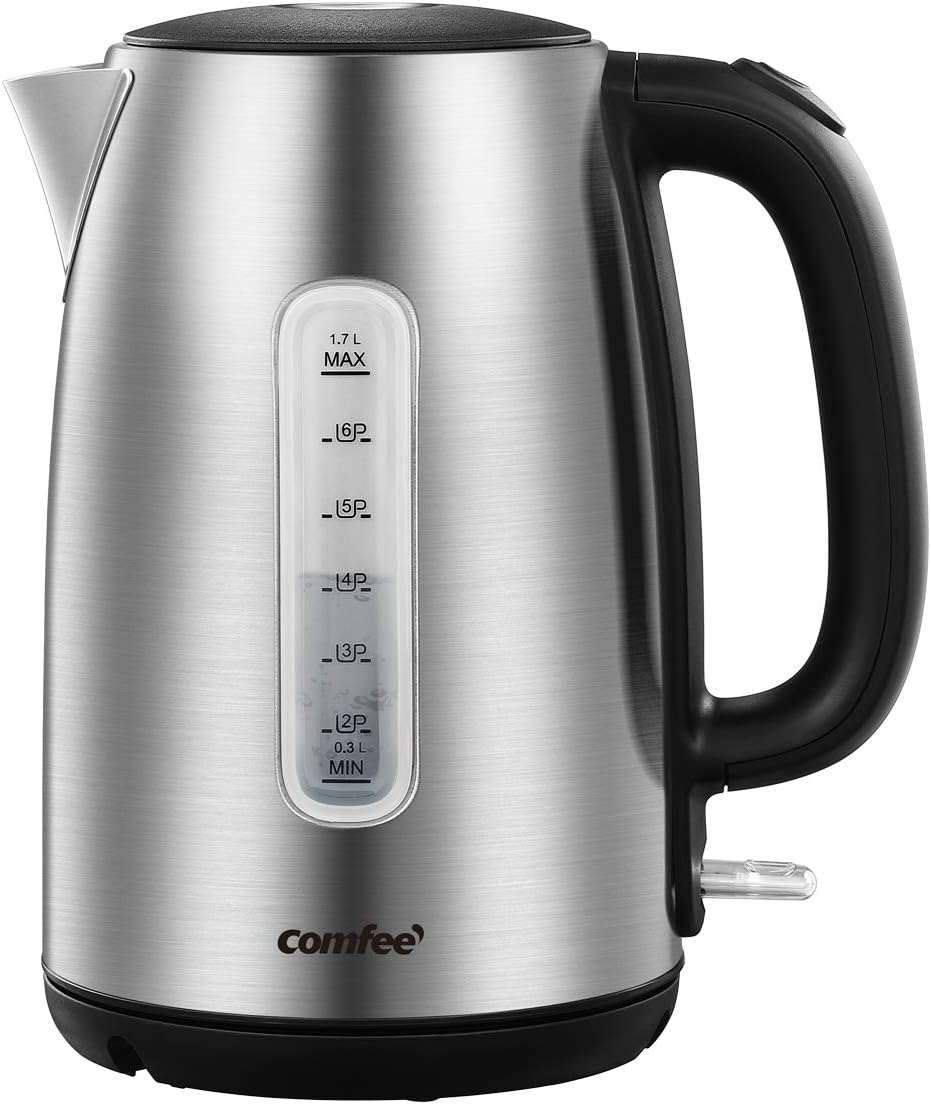
Bear 1.7L Stainless Electric Kettle Review: Precision Temperature Control
The Bear 1.7L Stainless Electric Kettle offers 5 precise temperature settings, 304-grade stainless build, and fast 1500W
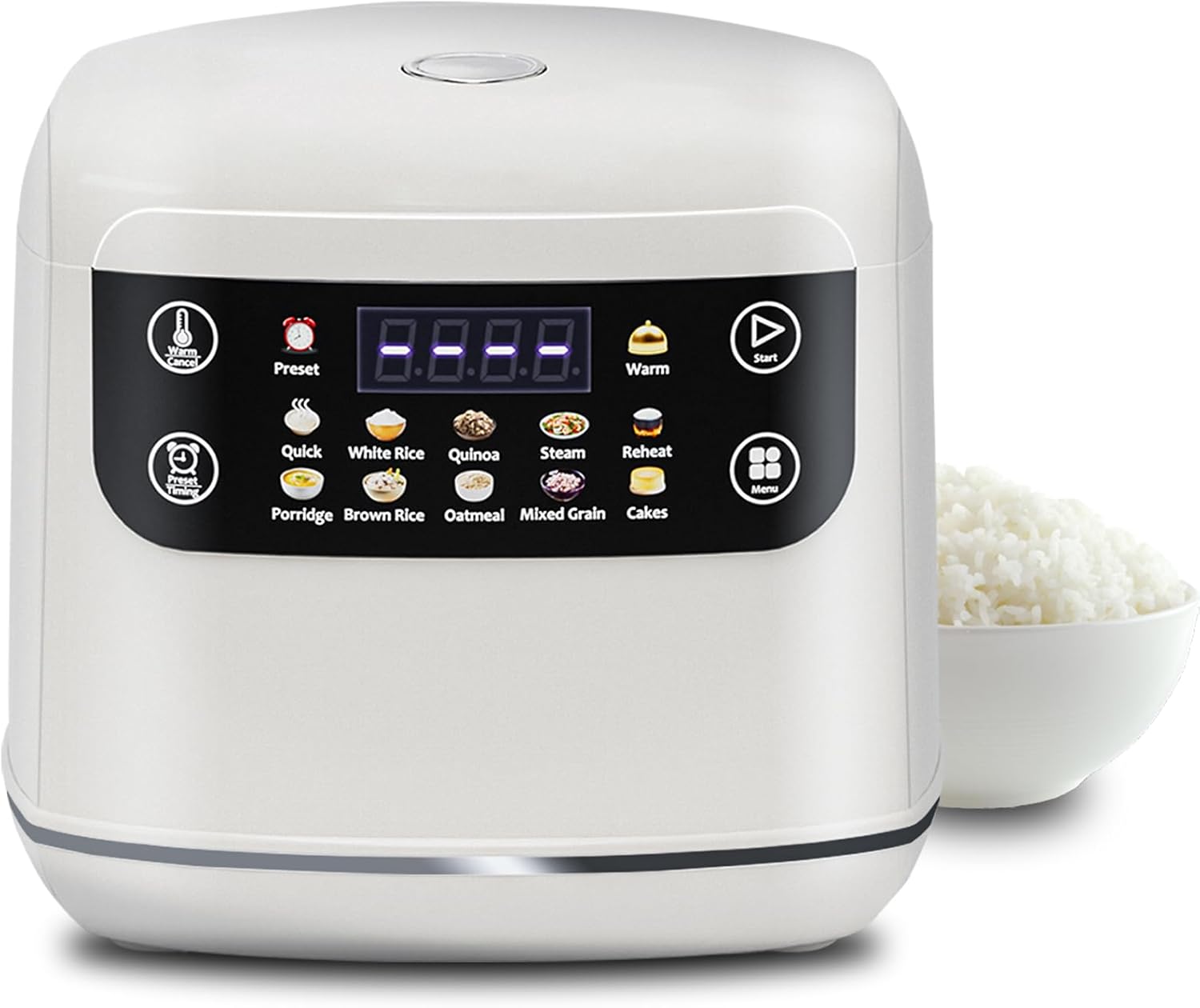
Bear Mini Rice Cooker 2L Review: Perfect for Singles and Students
The Bear 2L Mini Rice Cooker (DFB-B20A1) offers a compact 2L capacity, 5 cooking functions, and easy storage at ¥129. Pe
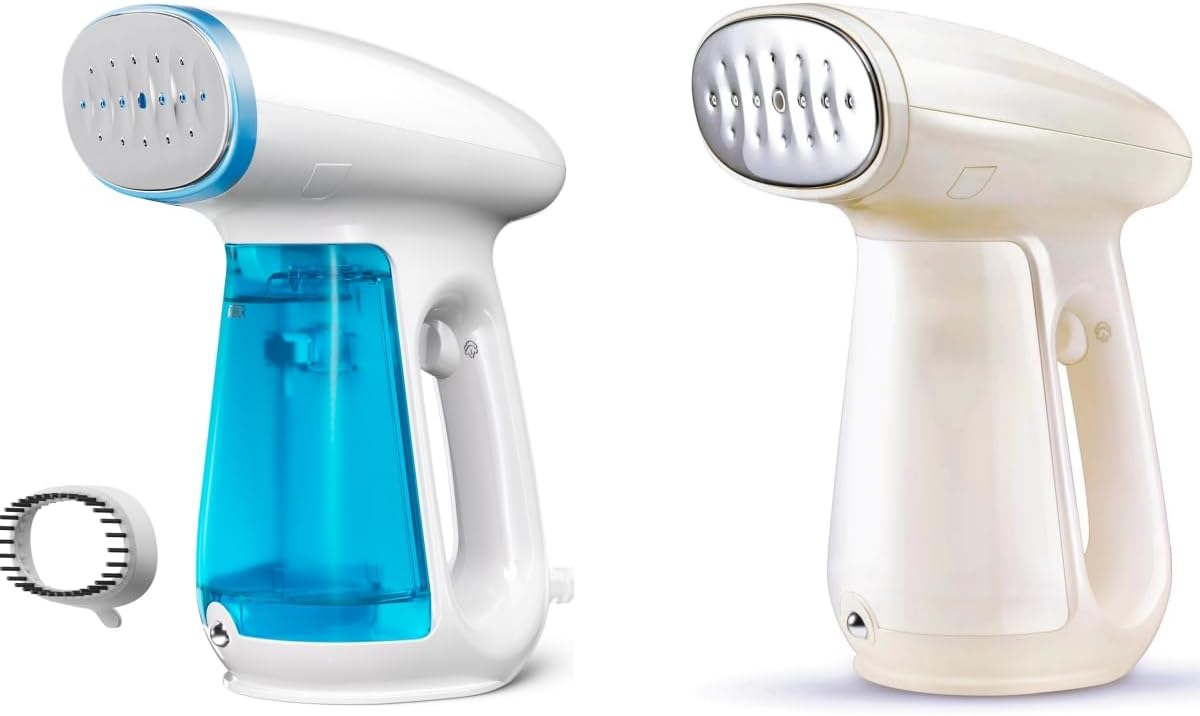
Bear 5L Electric Steamer Review: The ¥199 Health-Conscious Family Essential
Bear's 5L electric steamer at ¥199 promises hands-free healthy cooking for the whole family. We analyzed 8,000+ JD revie

Bear 5L Electric Steamer Review: Healthy Family Meals Made Easy
Bear's 5L electric food steamer is one of China's best-selling kitchen appliances. We review its steaming performance, 3
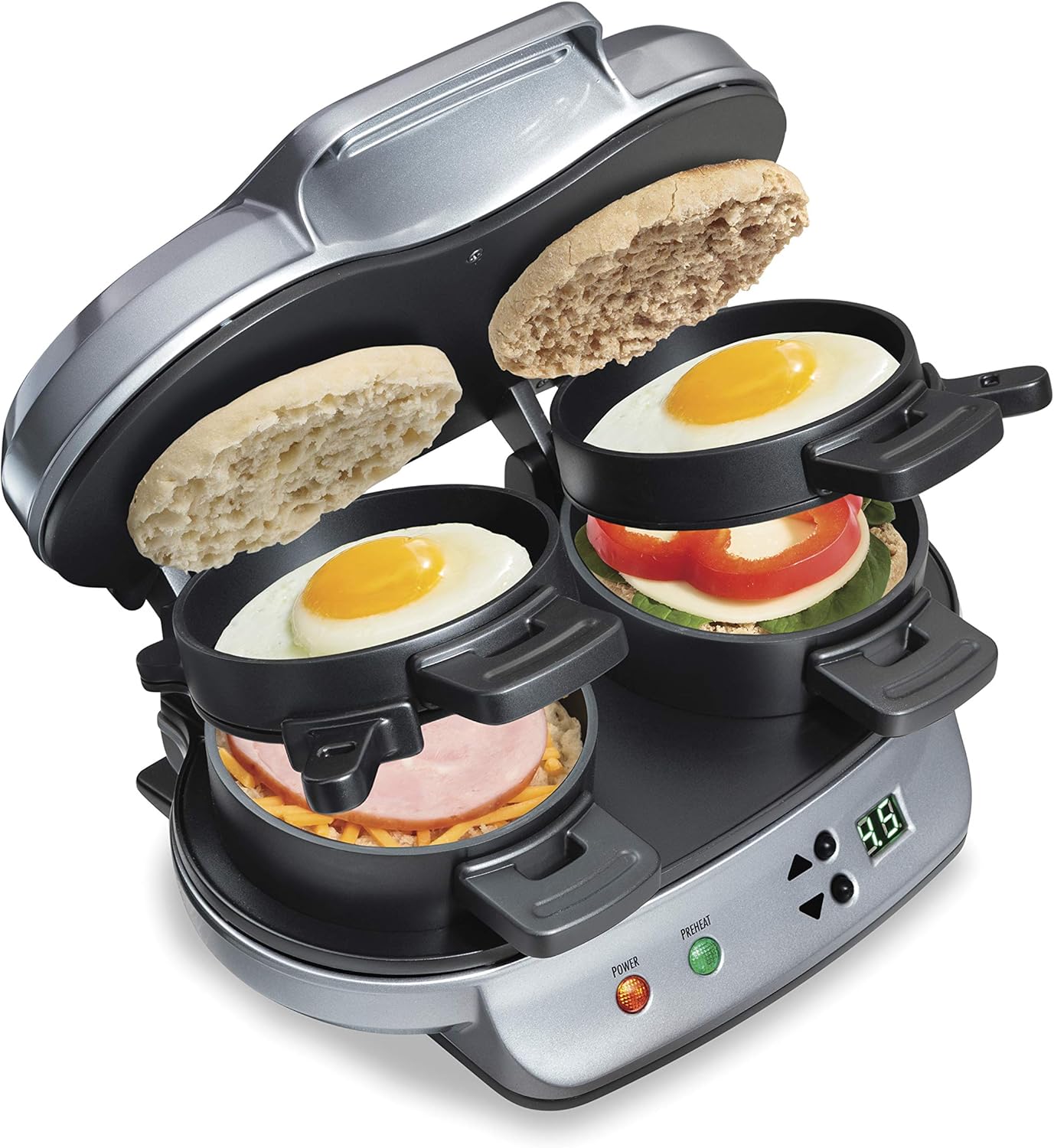
Bear Breakfast Maker Review: The 3-in-1 Morning Speeder
Bear 3-in-1 breakfast maker has 100,000+ reviews on JD.com with a 4.5/5 rating at ¥129 ($18). Users love the time-saving